
Supplement science, made clear.
Supplement science, made clear.
Home / Supplement library / Milk thistle
What it does, how much you need, and the questions to ask before choosing a supplement.
Ingredient guides
Compare the common options side by side.
From VitaBrief
See common milk thistle options side by side, with what to check on the label.
About these guides
An evidence-based guide to milk thistle and silymarin: what it is, what reviews show for liver disease, fatty liver (NAFLD/MASLD) and blood sugar, plus side effects, ragweed allergy, interactions, dosing and supplement quality.
These 4 guides take milk thistle one question at a time. Each one says plainly where the research is strong and where it is weaker or mixed.
FAQ
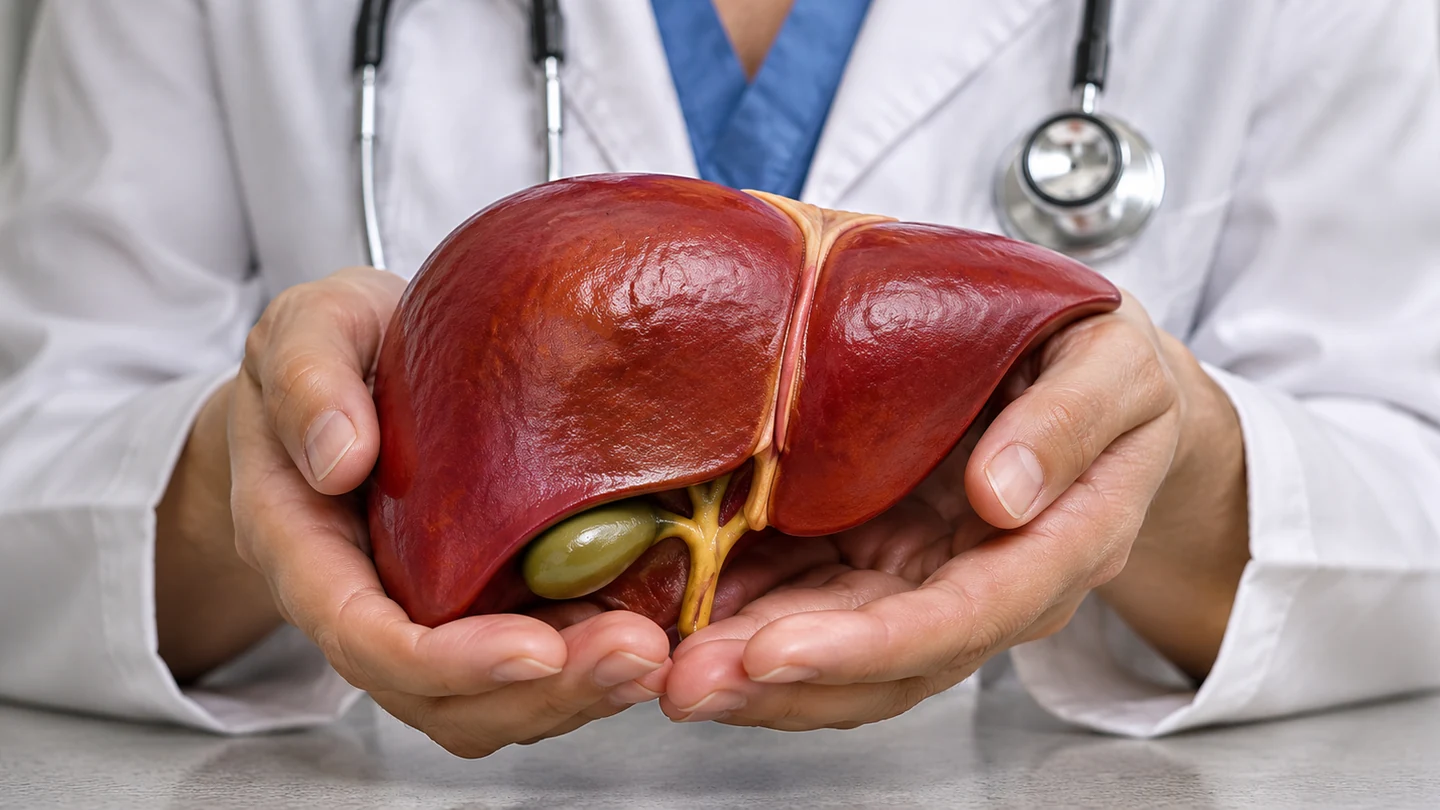
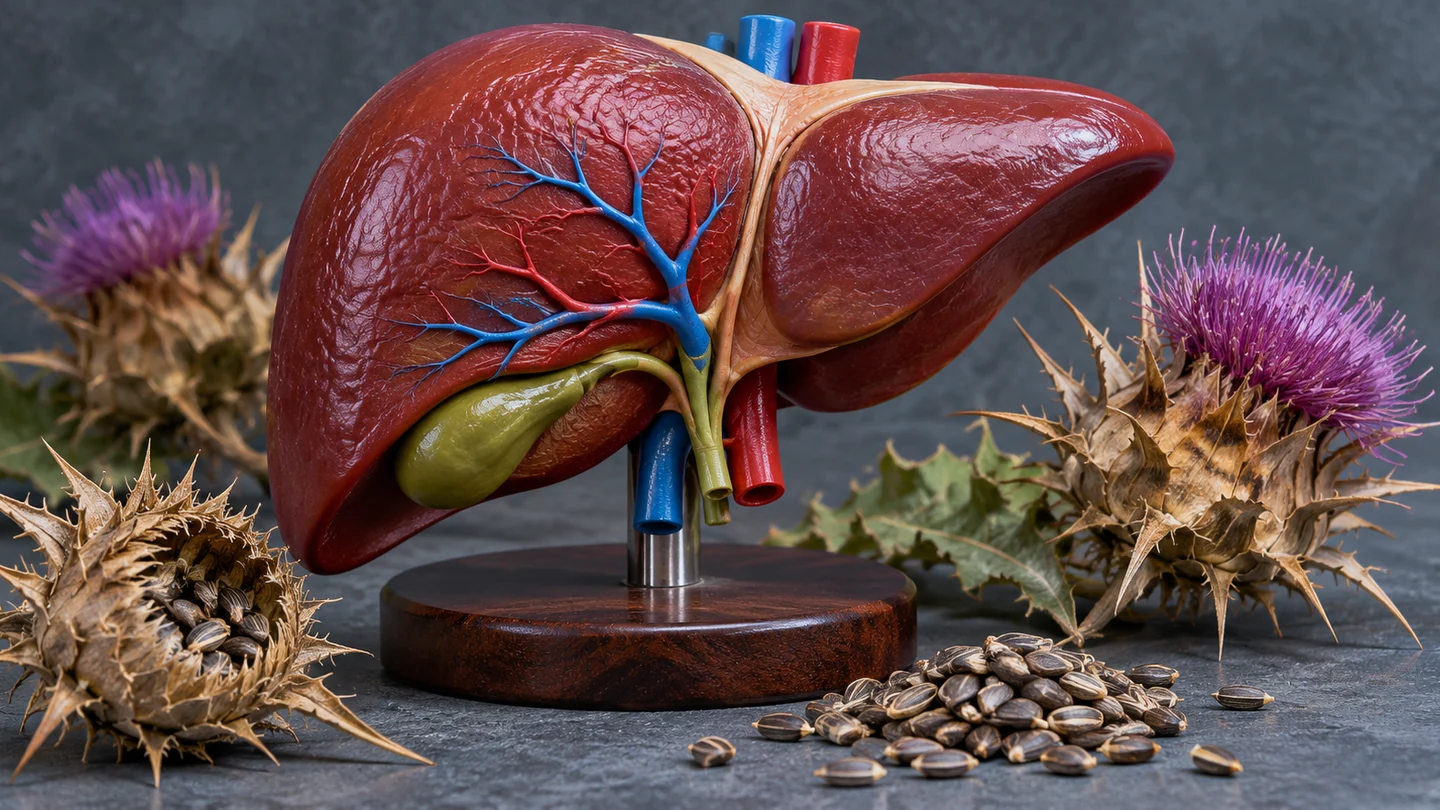
It is promoted for the liver, but a Cochrane review found no significant effect on mortality, complications or liver histology in alcohol-related or viral liver disease, and NCCIH calls the trial results conflicting.
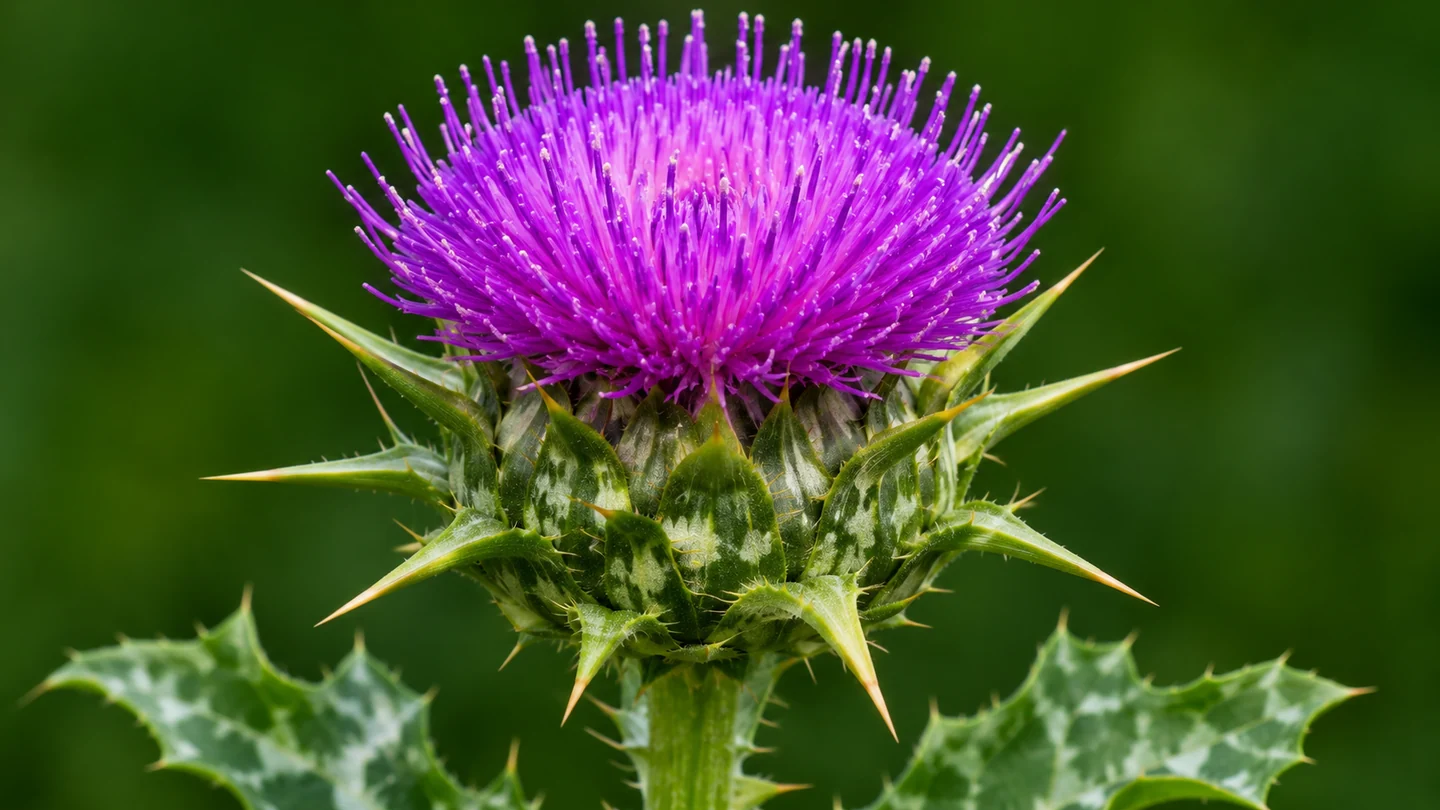
Milk thistle is the plant. Silymarin is the main constituent of its extract, a mixture of compounds. Most studies used silymarin or silybin rather than the whole plant.
Be cautious. NCCIH says milk thistle may cause allergic reactions, particularly in people allergic to related plants such as ragweed, chrysanthemum, marigold and daisy. Ask your doctor first.
No. The NCI states that the FDA has not approved milk thistle as a treatment for cancer or any other medical condition. It is sold as a dietary supplement.
No. They are different substances that are both marketed for the liver. See milk thistle vs NAC, our NAC guide and our glutathione guide.
Daily needs, upper limits and safety notes in our guides draw on sources such as the NIH Office of Dietary Supplements.