Home / Supplement library / Minerals
Supplement library
Minerals
Evidence-based guides to essential minerals: what each does, how much you need, food sources, who runs low, what the research found and how to supplement safely. Start with zinc and magnesium; more mineral guides are on the way.
Zinc, explained
Iron, explained
Calcium, explained
Magnesium, explained
Iodine, explained
Ingredient guides
Potassium, explained
Selenium, explained
Supplement basics
Explore
Browse every topic.
Browse magnesium, zinc, vitamins and performance supplements in the Supplement Library.
About these guides
Minerals: what these guides cover
Minerals are nutrients your body cannot make, so they have to come from food, water or supplements. Magnesium, calcium, iron and zinc each do different jobs: they help build bones, carry oxygen in the blood, and keep muscles and nerves working. Most people can get enough minerals from a varied diet, and supplements make the most sense when food falls short or a doctor finds a deficiency.
Magnesium is the first mineral we cover in depth. Its guides explain how much you need, the best food sources, how the different supplement forms compare, what the research shows for sleep, cramps, migraine, blood pressure and blood sugar, and when to be careful. Calcium, iron and zinc guides are coming next, written the same way.
In brief
How we write mineral guides
Each guide starts with a short answer, then explains the evidence in plain language and links to the studies and official sources behind it, such as the NIH Office of Dietary Supplements. We say clearly when the evidence is weak or mixed, and we never suggest a supplement can replace medical care.
FAQ
Frequently asked questions about minerals
How much magnesium do adults need?
Most adults need 310 to 420 mg of magnesium a day from all sources. About half of Americans fall short through food alone, and seeds, nuts, beans, leafy greens and whole grains are the best way to close the gap.
Which magnesium supplement form is best absorbed?
Every form delivers the same mineral. Citrate, chloride and glycinate are well absorbed, while magnesium oxide is less absorbed and more likely to have a laxative effect. Our magnesium forms guide compares them side by side.
Can you take too much of a mineral?
Yes. For magnesium, the upper limit for supplements and medicines is 350 mg a day for adults; magnesium from food does not count toward it. Diarrhea is the most common side effect, and people with kidney disease face the most risk. Check interactions with your doctor or pharmacist before you start.
Should I get minerals from food or supplements?
Food first. Whole foods give you minerals along with fiber and other nutrients, and more is not always better. A supplement can help when your diet is limited or a blood test shows a shortfall.
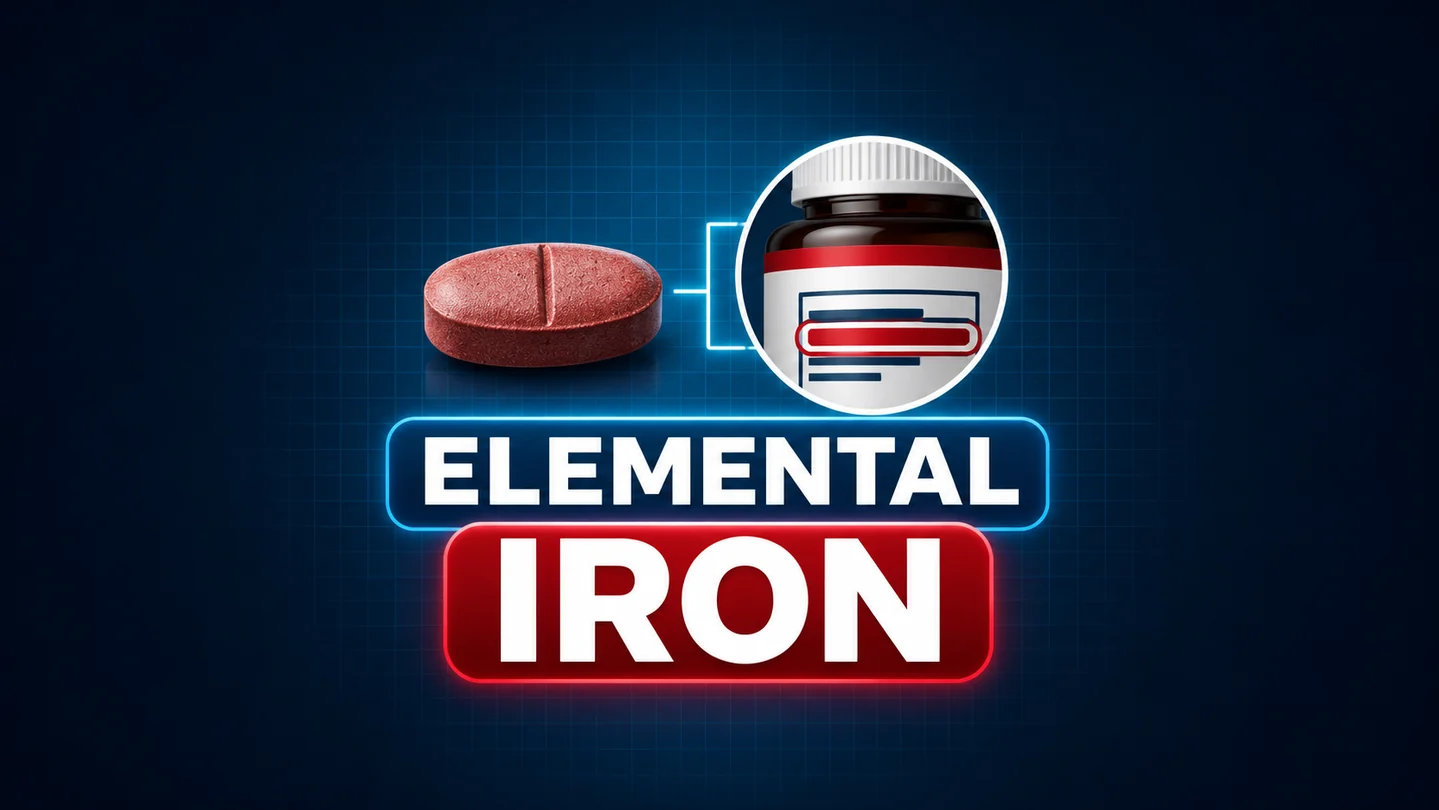
Why does elemental amount matter for minerals?
Mineral supplements combine the mineral with another compound, such as citrate or oxide. The label's elemental amount tells you how much of the mineral itself you are getting, which is the number to compare with daily needs and upper limits.
When will calcium, iron and zinc guides be ready?
They are next on our list. They will follow the same format as the magnesium guides, with a short answer first and sources linked.
Do mineral supplements interact with medicines?
Some do. Magnesium can interact with some antibiotics, bisphosphonates and other medicines, often because it binds to them in the gut. Spacing doses a few hours apart is a common fix, but ask your doctor or pharmacist what timing is right for your medicines.