Ingredient guides
Vitamin C and iron: how they work together
Why vitamin C boosts iron absorption, how much you need with meals or iron pills, what blocks iron, and who should be careful.
VitaBrief editorial · Last reviewed November 2026 · Sources listed below
Reader-supported. This page may contain affiliate links. If you buy through one, we may earn a commission at no extra cost to you. It never changes what we write. Affiliate disclosure
Vitamin C and Iron: the short answer
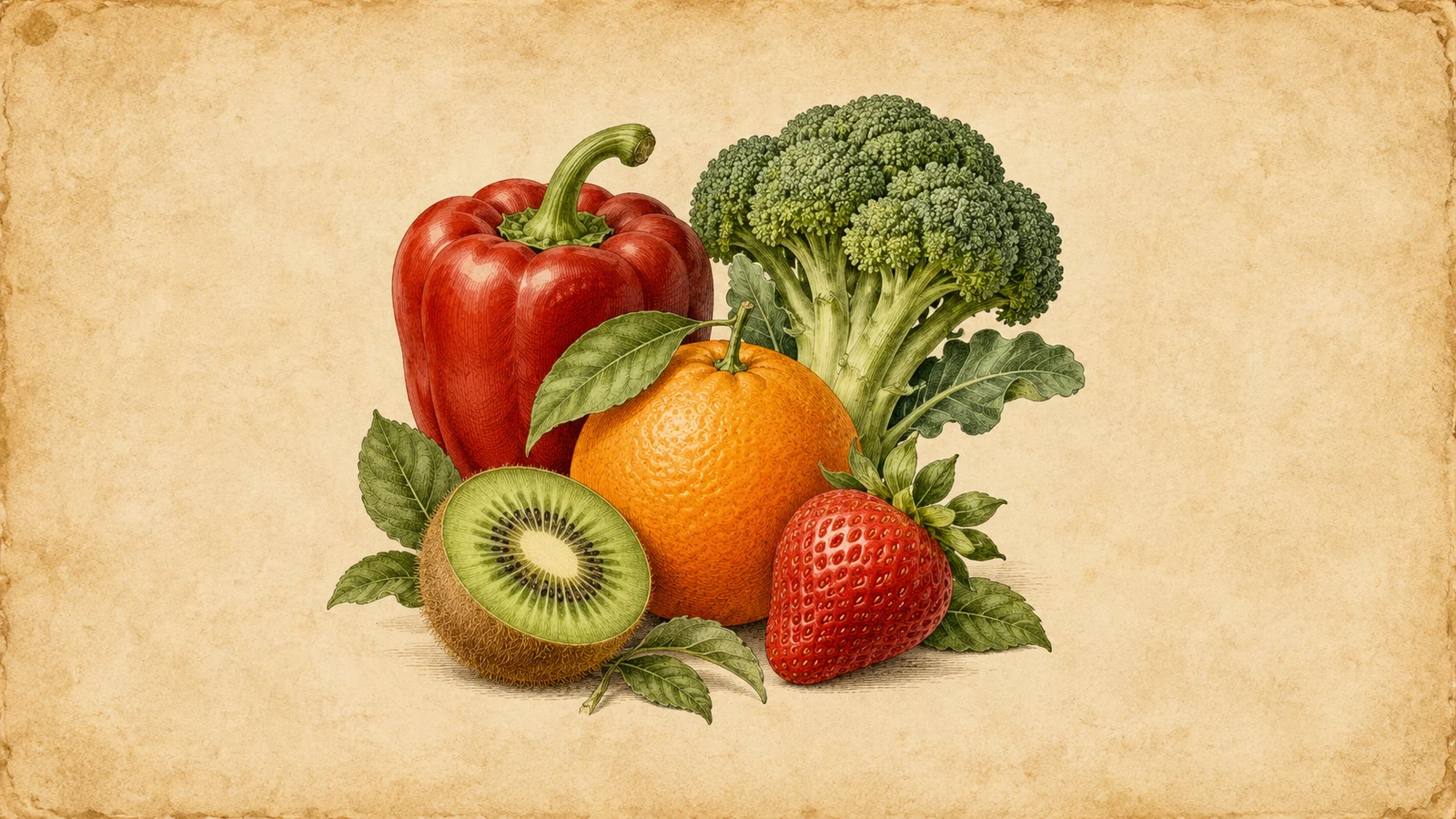
Vitamin C strongly increases absorption of non-heme iron from plant foods and iron supplements. About 25 to 100 mg, the amount in an orange or a serving of peppers, with an iron-containing meal is enough to make a difference. Keep tea, coffee and calcium supplements away from iron-rich meals.
US searches for “vitamin C and iron” have roughly doubled in the last year, and “does vitamin C help with iron absorption?” and “how much vitamin C to take with iron?” are top questions. The link is well established: vitamin C is one of the strongest enhancers of iron absorption from plant foods and iron supplements. That makes it useful for people with low iron, vegetarians and vegans, and anyone taking iron pills. This guide explains how it works, how much you need and what else affects iron absorption, drawing on the NIH Office of Dietary Supplements (ODS), MedlinePlus and absorption studies (Hallberg 1989).
Two types of iron
| Heme iron | Non-heme iron | |
|---|---|---|
| Found in | Meat, poultry, fish | Beans, lentils, tofu, spinach, fortified cereals, iron supplements; also part of the iron in meat |
| Absorption | Higher and fairly steady | Lower and strongly affected by the rest of the meal |
| Effect of vitamin C | Little | Large increase |
Most dietary iron, even in meat-eaters, is non-heme iron. Vegetarians and vegans get all their iron in this form, which is why the ODS notes that their iron needs are about 1.8 times higher than for people who eat meat (ODS).
How vitamin C boosts absorption
In the gut, non-heme iron is mostly in the ferric form (Fe3+), which is poorly absorbed. Vitamin C converts it to the ferrous form (Fe2+) and binds it in a soluble complex, keeping it available for absorption. Vitamin C also counteracts inhibitors such as phytate in grains and legumes. In absorption studies, adding vitamin C to meals increased non-heme iron absorption in a dose-dependent way and could largely overcome phytate’s inhibiting effect (Hallberg 1989).
How much vitamin C to take with iron
The effect is meaningful at modest doses. Amounts of roughly 25 to 100 mg with a meal, about what is in an orange or a glass of orange juice, noticeably increase non-heme iron absorption; larger amounts increase it further, with diminishing returns (Hallberg 1989). There is no need for megadoses.
| Option | Approximate vitamin C |
|---|---|
| Orange, 1 medium | 70 mg |
| Orange juice, ¾ cup | 93 mg |
| Red bell pepper, ½ cup | 95 mg |
| Strawberries, ½ cup | 49 mg |
| Vitamin C tablet | 100–250 mg is plenty |
Food pairings
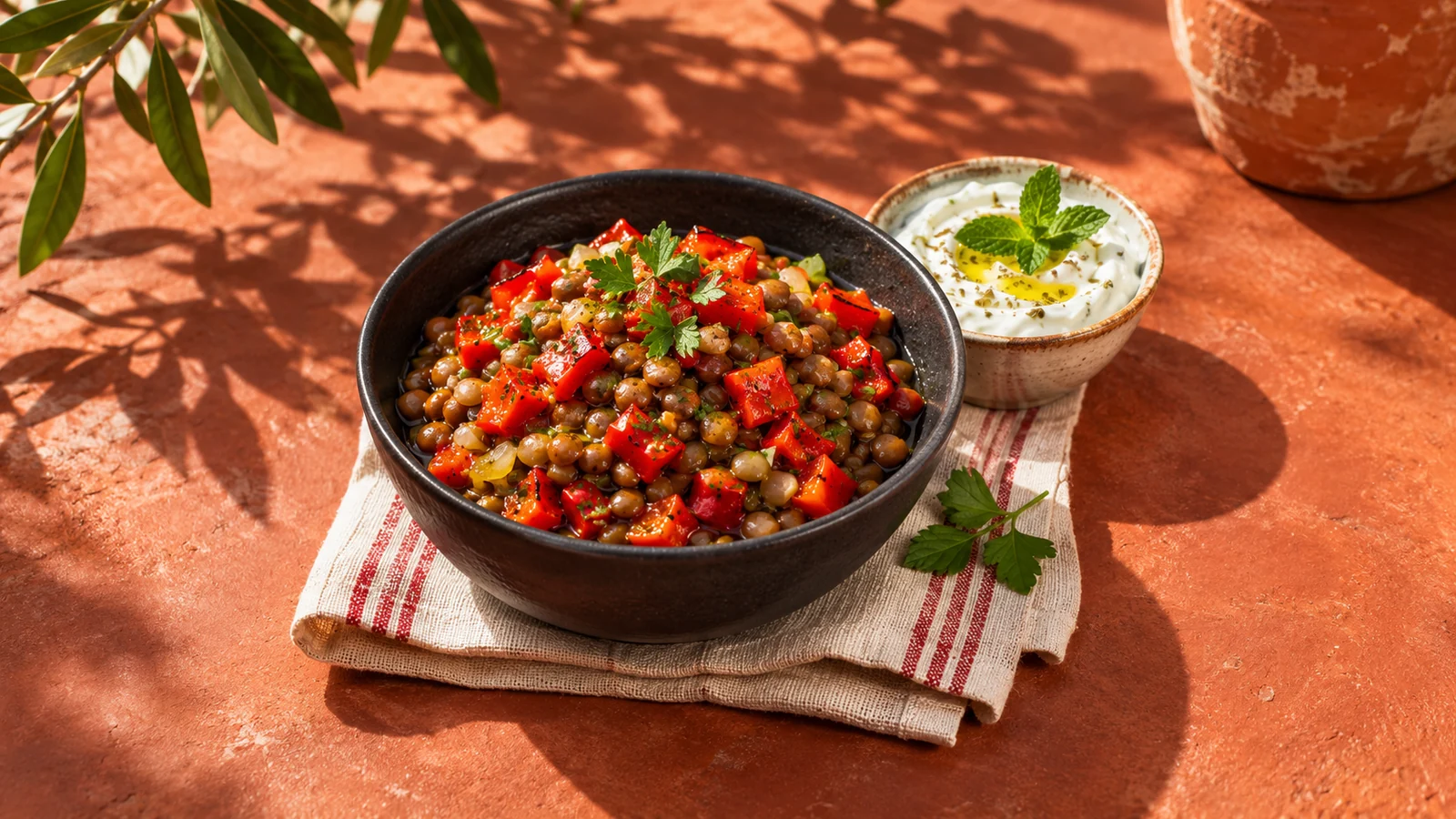
- Bean or lentil chili with tomatoes and peppers
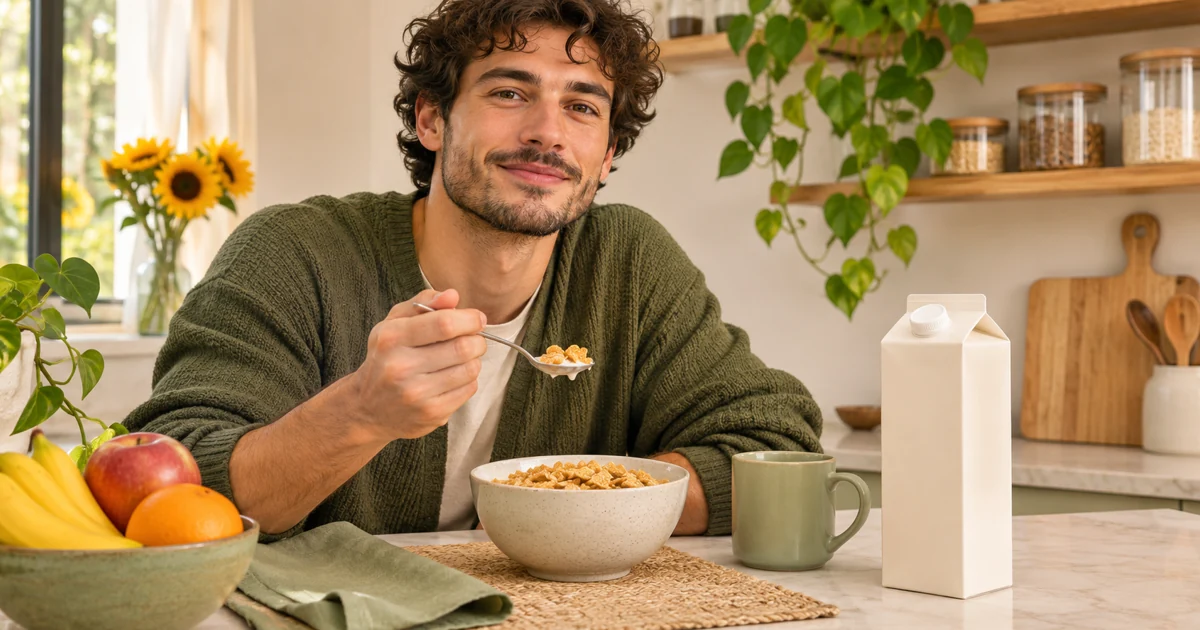
- Fortified breakfast cereal with strawberries or a glass of orange juice
- Spinach salad with orange segments and red pepper
- Tofu stir-fry with broccoli and bell peppers
- Hummus with raw pepper strips
- Lentil soup with a squeeze of lemon and a side of fruit
With iron supplements
Iron supplements contain non-heme iron, so vitamin C can help. Many clinicians suggest taking iron with a vitamin C source, such as orange juice, on an empty stomach or with a light meal, if tolerated. Some iron supplements include vitamin C. Whether adding vitamin C makes a large clinical difference for people already taking adequate iron doses is less certain, but it is low risk. Follow your clinician’s instructions for dose and timing, and see MedlinePlus for iron basics.
What blocks iron absorption
| Inhibitor | Found in | Tip |
|---|---|---|
| Polyphenols and tannins | Tea, coffee, red wine | Drink them between meals rather than with iron-rich meals or iron pills |
| Calcium | Dairy, calcium supplements | Separate calcium supplements from iron by a few hours |
| Phytate | Whole grains, legumes, nuts | Vitamin C offsets it; soaking and sprouting reduce it |
| Some medicines | Antacids, acid reducers | Ask a pharmacist about timing |
Who benefits most
- Vegetarians and vegans (see also B12 for vegans)
- People who menstruate heavily
- Pregnant people, whose iron needs nearly double
- Frequent blood donors
- People treated for iron deficiency anemia
- Infants and toddlers transitioning to solid foods
Who should be careful
People with hereditary hemochromatosis absorb too much iron. For them, taking vitamin C supplements with meals could increase iron absorption further, and the ODS advises caution with vitamin C supplements in this condition (ODS). People with other iron overload conditions or frequent blood transfusions should also ask their doctor. See vitamin C side effects.
Know your iron status
Fatigue, weakness, pale skin, shortness of breath and brittle nails can be signs of iron deficiency, but they have many causes. Blood tests, including hemoglobin and ferritin, show whether iron is low. Do not take iron supplements without a reason; too much iron is harmful. Iron deficiency in adults, especially men and postmenopausal women, should be investigated for a cause such as blood loss.
A vegetarian day that maximizes iron
| Meal | Iron source | Vitamin C partner |
|---|---|---|
| Breakfast | Fortified cereal | Strawberries or orange juice |
| Lunch | Lentil soup or bean salad | Tomatoes, peppers, lemon dressing |
| Snack | Hummus | Red pepper strips |
| Dinner | Tofu stir-fry with spinach | Broccoli and bell peppers |
Saving tea and coffee for between meals, and taking any calcium supplement at a different time from iron-rich meals, makes these pairings even more effective. Vegetarians and vegans should also pay attention to vitamin B12 and zinc.
Pregnancy and iron
Iron needs rise to 27 mg a day in pregnancy, and many pregnant people take iron as part of a prenatal vitamin or a separate supplement (ODS iron). Pairing iron-rich meals with vitamin C foods is a simple way to support absorption. Follow your provider’s advice on iron dosing.
Older adults
Older adults can be at higher risk of low vitamin C because of reduced appetite, dental problems, limited access to fresh food or living alone. Needs are the same as for younger adults, but meeting them may take more planning: canned or frozen fruit, juice, soups and soft-cooked vegetables are easy options, and a daily multivitamin can fill gaps. Older adults are also more likely to take multiple medicines and to have kidney conditions, so they should check with a clinician before using high-dose supplements (ODS).
Reading a vitamin C label
Supplement labels list vitamin C in milligrams and as a percentage of the Daily Value, which is 90 mg for adults. A 500 mg tablet therefore shows 556% DV. That large percentage is not a sign of danger, since the upper limit is 2,000 mg, but it does show how far above daily needs many products are. Check the form of vitamin C listed (ascorbic acid, sodium ascorbate, calcium ascorbate), the serving size (some gummies require two or three pieces), other ingredients such as zinc or herbs, and any certification seal from USP or NSF. “Immune support” claims are structure-function claims, not evidence that the product prevents illness (ODS).
The bottom line
Vitamin C strongly increases absorption of non-heme iron from plant foods and iron supplements. About 25 to 100 mg, the amount in an orange or a serving of peppers, with an iron-containing meal is enough to make a difference. Keep tea, coffee and calcium supplements away from iron-rich meals. People with hemochromatosis or other iron overload conditions should avoid vitamin C supplements with meals unless their doctor approves.
Frequently asked questions
Should I take vitamin C with my iron pill?
It can help absorption and is low risk. Follow your clinician’s advice on timing.
Does vitamin C help heme iron from meat?
Heme iron absorption is not much affected, but meat meals also contain non-heme iron, which does benefit.
Can I drink coffee with iron-rich meals?
It reduces absorption. Have coffee or tea at least an hour away from iron-rich meals if you are trying to raise iron.
Is lemon juice enough?
A squeeze provides a small amount. Larger sources like oranges or peppers work better.
Does vitamin C help ferritin go up?
By improving absorption, it can help iron stores rise when combined with adequate iron intake.
Is there a vitamin C and iron combination supplement?
Yes, several exist. Use iron supplements only if a blood test shows you need them.
Can vitamin C cause iron overload?
In people with normal iron regulation, no. In hemochromatosis, it may increase absorption from meals, so caution is advised.
Does cooking reduce the vitamin C effect on iron?
Cooking lowers vitamin C, so pairing iron-rich foods with raw fruit or lightly cooked vegetables keeps more of the benefit.
Is it OK to take vitamin C and iron at night?
Yes, if that is easier to remember. Consistency matters more than time of day.
Sources
- NIH Office of Dietary Supplements. Iron: Fact Sheet for Health Professionals.
- NIH Office of Dietary Supplements. Vitamin C: Fact Sheet for Health Professionals.
- MedlinePlus. Iron in diet.
- Hallberg L, et al. Iron absorption in man: ascorbic acid and dose-dependent inhibition by phytate. Am J Clin Nutr. 1989;49(1):140-4.
- Hallberg L, et al. The role of vitamin C in iron absorption. Int J Vitam Nutr Res Suppl. 1989;30:103-8.
Last reviewed November 2026. VitaBrief is educational and is not medical advice. Talk with a doctor, registered dietitian or pharmacist before starting a supplement, especially if you are pregnant, take medication or have kidney disease.
Not medical advice. This guide is for general education. Talk to your doctor or pharmacist before taking a supplement, especially if you are pregnant or breastfeeding, take medication or have a health condition. Medical disclaimer