Ingredient guides
Ashwagandha for women: benefits, risks and pregnancy
What small trials show for stress, sleep, menopause and sexual function, and why pregnancy, thyroid and autoimmune conditions call for caution.
VitaBrief editorial · Last reviewed November 2026 · Sources listed below
Reader-supported. This page may contain affiliate links. If you buy through one, we may earn a commission at no extra cost to you. It never changes what we write. Affiliate disclosure

“Ashwagandha benefits for women” is one of the most common searches about this Ayurvedic herb. Supplement marketing often promises help with hormones, mood, libido and menopause. The research is real but small. Most studies of ashwagandha (Withania somnifera) have been short trials, often about 8 to 12 weeks, using standardized root extracts, and many were funded by extract makers. Very few were designed specifically for women.
This guide sorts what has been studied from what has not, and highlights the situations where women should avoid ashwagandha or talk to a clinician first. It relies on the National Center for Complementary and Integrative Health (NCCIH), the NIH Office of Dietary Supplements (ODS) and published trials. It is general information, not medical advice. For the full picture, start with our ashwagandha guide.
Ashwagandha for women: the short answer
Ashwagandha for women explained: evidence for stress, sleep, perimenopause symptoms and sexual function, what is known about fertility, why it is not recommended in pregnancy, breastfeeding, thyroid and autoimmune cautions.
At a glance
| Topic | What the evidence says | Confidence |
|---|---|---|
| Stress and anxiety | Modest benefits in several small trials of men and women | Low to moderate |
| Sleep | Small benefit, mainly in people with insomnia | Low to moderate |
| Perimenopause symptoms | One small randomized trial reported improvement | Low |
| Sexual function | One small pilot study | Very low |
| Trying to conceive | No good evidence in women | None |
| Pregnancy | Not recommended | Advice from NCCIH and ODS |
| Breastfeeding | Not enough safety data | Avoid unless a clinician advises otherwise |
Stress, anxiety and sleep
Stress relief is the best-studied use of ashwagandha. Randomized trials in healthy but stressed adults, such as Chandrasekhar 2012 and Salve 2019, enrolled both men and women and reported lower stress scores than placebo. A 2022 meta-analysis concluded that ashwagandha may reduce stress and anxiety, while noting the small size of the trials (Akhgarjand 2022). Several trials have also reported lower cortisol levels, though the size and meaning of that change remain uncertain. See ashwagandha for stress and cortisol.
For sleep, a 2021 meta-analysis found a small overall benefit that appeared stronger in people with insomnia (Cheah 2021). Our article on ashwagandha for sleep covers that research and compares it with melatonin and magnesium. None of these trials showed that women respond differently from men, because most were not large enough to test that question.
Perimenopause and menopause
Hot flashes, poor sleep, mood changes and irritability lead many women in midlife to look for natural options. One randomized, placebo-controlled trial tested a root extract in women with perimenopausal symptoms (Gopal 2021). The researchers reported greater improvement in menopause symptom scores with ashwagandha than with placebo over the study period, along with some changes in hormone levels.
That is encouraging but far from proof. It is a single small trial, it was short, and it has not been independently repeated. It does not tell us whether ashwagandha is safe or helpful over years of use, or how it compares with treatments that have much stronger evidence. If menopause symptoms are affecting your life, a clinician can discuss hormone therapy and nonhormonal options that have been studied far more thoroughly.
Sexual function and libido
Ashwagandha is sometimes promoted as a libido booster. The main study in women is a pilot trial in which women with sexual difficulties took a root extract or placebo and were assessed with sexual function questionnaires (Dongre 2015). The authors reported improvements in the ashwagandha group.
Pilot studies are small by design and mainly meant to see whether larger trials are worthwhile. One pilot study is not enough to recommend ashwagandha for low desire. Sexual concerns can have many causes, including medicines such as some antidepressants, relationship stress, pain, hormonal changes and depression, so it is worth raising them with a clinician.
Trying to conceive, pregnancy and breastfeeding
Trying to conceive
There is no good evidence that ashwagandha improves fertility in women. Online claims usually draw on studies in men, which are themselves small (see ashwagandha for men). Because ashwagandha is not recommended in pregnancy and you may not know right away that you have conceived, many clinicians would suggest stopping it while actively trying to get pregnant. If you are having trouble conceiving, a fertility evaluation is a better next step than a supplement.
Pregnancy
The NCCIH and ODS both advise against using ashwagandha during pregnancy. MedlinePlus also lists it as likely unsafe in pregnancy and notes concerns that it could cause miscarriage. If you took ashwagandha before you knew you were pregnant, stop and tell your prenatal care provider; do not panic, but do mention it.
Breastfeeding
There is not enough reliable information on whether ashwagandha passes into breast milk or how it might affect a nursing baby. Because of that gap, the safest approach is to avoid it while breastfeeding unless your clinician advises otherwise.
Thyroid and autoimmune conditions
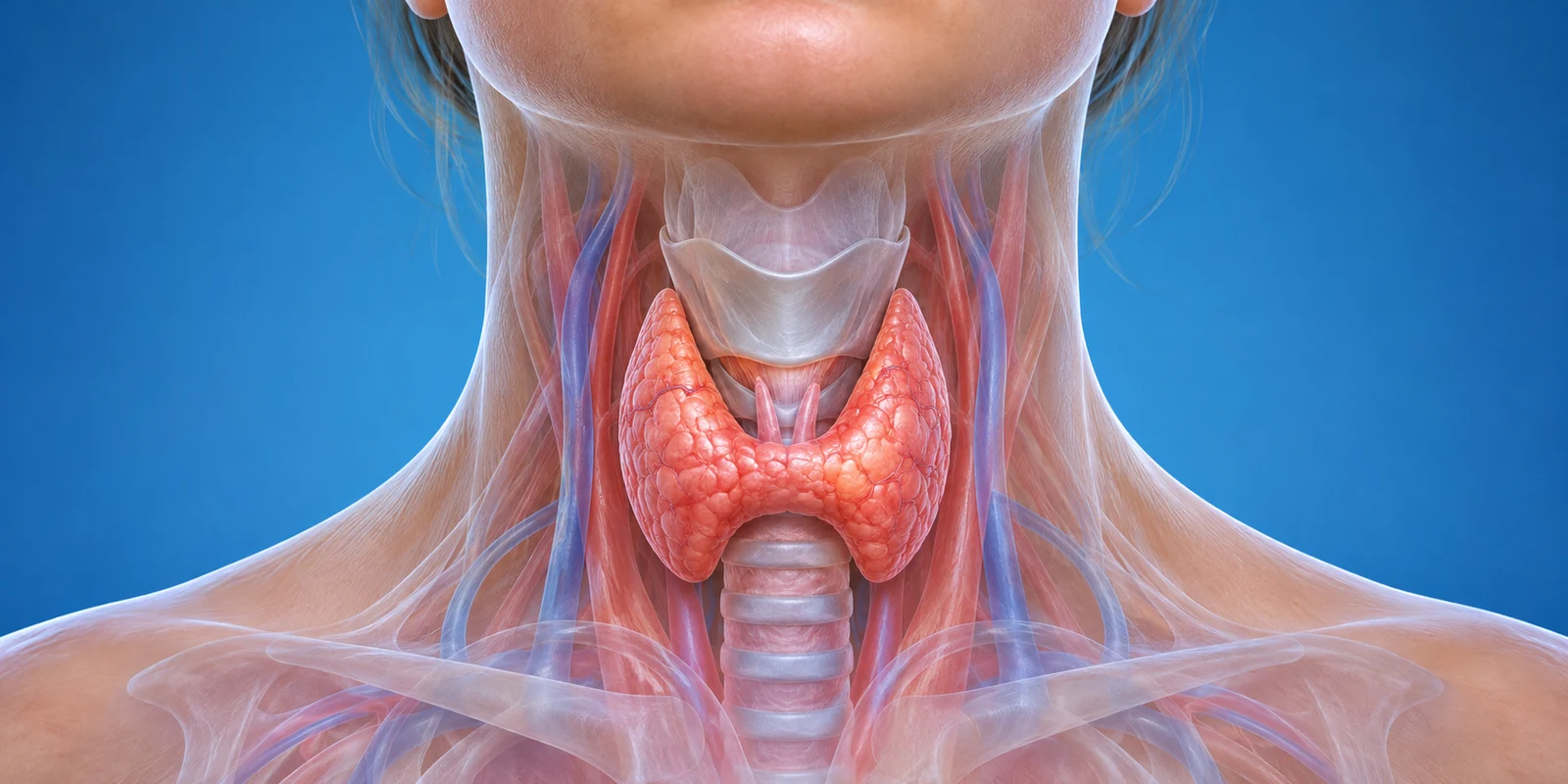
Thyroid disease is much more common in women than in men, which makes this caution especially relevant. A small trial in people with subclinical hypothyroidism found that ashwagandha raised thyroid hormone levels (Sharma 2018), and case reports describe thyrotoxicosis and thyroiditis in people taking it (2022 case report; 2024 case report). If you have an overactive thyroid, ashwagandha could make it worse. If you take levothyroxine, it could change your thyroid test results, so tell your prescriber before starting. Read more in ashwagandha and thyroid.
Autoimmune diseases such as lupus, rheumatoid arthritis, multiple sclerosis and Hashimoto’s thyroiditis also affect women more often. Some sources caution that ashwagandha might stimulate the immune system and worsen these conditions, and that it could reduce the effect of immunosuppressant medicines (MedlinePlus). This concern rests mainly on theory and limited data, but it is a reason to check with your specialist first.
Other safety points and when to see a doctor
Common side effects in trials have been mild: drowsiness, stomach upset, diarrhea and nausea. Rare but serious liver injury has been reported in case series (Björnsson 2020; Philips 2023). Stop taking it and seek care promptly if you notice yellowing of the skin or eyes, dark urine, itching, pale stools, or unusual tiredness. See ashwagandha and the liver.
Talk to a doctor or pharmacist before using ashwagandha if you:
- are pregnant, trying to conceive or breastfeeding
- have thyroid, liver or autoimmune disease
- take sedatives, antidepressants, thyroid medicine, or medicines for blood pressure, diabetes or immune suppression (see ashwagandha interactions)
- have surgery scheduled, since it may add to the effects of anesthesia and sedatives
In the United States, ashwagandha is sold as a dietary supplement, and the FDA does not approve supplements before they are sold. Long-term safety has not been established. For doses used in studies, see ashwagandha dosage, and for picking a product, see how to choose ashwagandha.
Frequently asked questions
What does ashwagandha do for women?
Small trials suggest modest help with stress, anxiety and sleep. Evidence for menopause symptoms and sexual function comes from one trial each and is preliminary.
Does ashwagandha balance female hormones?
There is no good evidence that it “balances hormones.” One perimenopause trial reported some hormone changes, and it can affect thyroid hormones, which is a reason for caution rather than a benefit.
Can I take ashwagandha while pregnant?
No. The NCCIH and ODS advise against using it during pregnancy. Tell your prenatal provider if you took it before you knew you were pregnant.
Is ashwagandha safe while breastfeeding?
There is not enough safety information. Avoid it unless your clinician advises otherwise.
Can ashwagandha help me get pregnant?
There is no good evidence that it improves fertility in women. Because it is not recommended in pregnancy, it is generally best avoided while trying to conceive.
Is ashwagandha safe if I have Hashimoto’s?
Ask your doctor first. It can affect thyroid hormone levels, and there are theoretical concerns about autoimmune conditions.
Sources
- National Center for Complementary and Integrative Health. Ashwagandha.
- NIH Office of Dietary Supplements. Ashwagandha: fact sheet for health professionals.
- MedlinePlus. Ashwagandha.
- U.S. Food and Drug Administration. Dietary supplements.
- Gopal S, et al. Effect of an ashwagandha root extract on climacteric symptoms in women during perimenopause: a randomized, double-blind, placebo-controlled study. J Obstet Gynaecol Res. 2021.
- Dongre S, et al. Efficacy and safety of ashwagandha root extract in improving sexual function in women: a pilot study. Biomed Res Int. 2015.
- Chandrasekhar K, et al. A prospective, randomized double-blind, placebo-controlled study of safety and efficacy of a high-concentration full-spectrum extract of ashwagandha root in reducing stress and anxiety in adults. Indian J Psychol Med. 2012.
- Salve J, et al. Adaptogenic and anxiolytic effects of ashwagandha root extract in healthy adults: a double-blind, randomized, placebo-controlled clinical study. Cureus. 2019.
- Akhgarjand C, et al. Does ashwagandha supplementation have a beneficial effect on the management of anxiety and stress? A systematic review and meta-analysis of randomized controlled trials. Phytother Res. 2022.
- Cheah KL, et al. Effect of ashwagandha (Withania somnifera) extract on sleep: a systematic review and meta-analysis. PLoS One. 2021.
- Sharma AK, et al. Efficacy and safety of ashwagandha root extract in subclinical hypothyroid patients: a double-blind, randomized placebo-controlled trial. J Altern Complement Med. 2018.
- Ashwagandha as a unique cause of thyrotoxicosis presenting with supraventricular tachycardia. Cureus. 2022.
- Painless thyroiditis by Withania somnifera. Cureus. 2024.
- Björnsson HK, et al. Ashwagandha-induced liver injury: a case series from Iceland and the US Drug-Induced Liver Injury Network. Liver Int. 2020.
- Philips CA, et al. Ashwagandha-induced liver injury: a case series from India and literature review. Hepatol Commun. 2023.
Last reviewed November 2026. VitaBrief is educational and is not medical advice. Talk with a doctor, registered dietitian or pharmacist before starting a supplement, especially if you are pregnant, take medication or have kidney disease.
Not medical advice. This guide is for general education. Talk to your doctor or pharmacist before taking a supplement, especially if you are pregnant or breastfeeding, take medication or have a health condition. Medical disclaimer