Ingredient guides
Iron for kids and babies: needs, foods and poisoning risk
Why iron matters for growing children, how babies get it, the role of fortified foods and cow’s milk, when supplements make sense and why iron poisoning is a real danger.
VitaBrief editorial · Last reviewed November 2026 · Sources listed below
Reader-supported. This page may contain affiliate links. If you buy through one, we may earn a commission at no extra cost to you. It never changes what we write. Affiliate disclosure
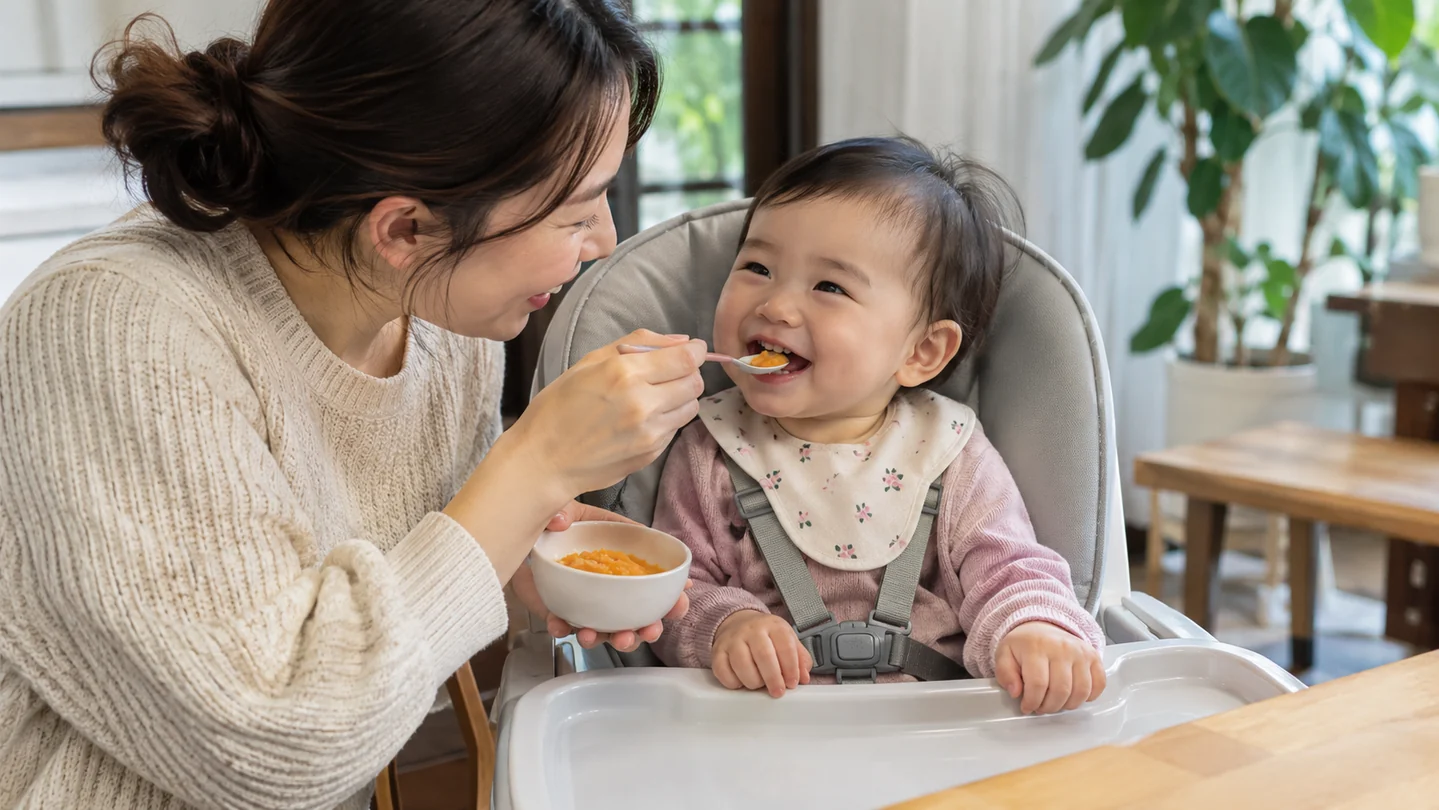
Iron is essential for growing children. It helps carry oxygen in the blood and supports normal brain development, and infants and young children are among the groups most likely to run low. At the same time, iron is one of the most dangerous substances a small child can swallow by accident. Both facts matter for parents.
This guide explains how babies and children get iron, which foods help, when a supplement might be advised, and how to keep iron products safely away from little hands. It draws on the NIH Office of Dietary Supplements (ODS), MedlinePlus and published research. It does not give doses for children; those should come from your child’s pediatrician.
Iron for kids and babies: the short answer
An evidence-based guide to iron for infants, toddlers and children: needs around 4 to 6 months, iron-fortified foods, cow’s milk, brain development, supplements only when advised, and accidental iron poisoning.
Why children need iron
Children grow quickly, and each stage of growth requires more blood, more muscle and more brain tissue, all of which need iron. ODS lists infants and young children among the groups at higher risk of iron deficiency, along with people who menstruate and pregnant people (ODS).
Iron plays a role in how the brain develops, including in the formation of myelin and in brain chemicals that affect learning and attention. A 2020 systematic review of research on iron and brain development concluded that iron deficiency during critical early periods is associated with differences in cognitive, motor and behavioral development, although study designs vary and not all effects are clearly reversible or fully understood (systematic review, Nutrients 2020). This is one reason pediatricians pay attention to iron in the first years of life.
Babies: the first year
Healthy full-term babies are usually born with iron stores built up during the last part of pregnancy. These stores tend to cover their needs for roughly the first several months. Breast milk contains only small amounts of iron, though that iron is well absorbed. ODS notes that by around 4 to 6 months of age, stores in breastfed babies may begin to run low, and that this is when iron from other sources becomes more important (ODS). Pediatric groups may suggest iron for some breastfed infants around this time; whether and how much is a decision for your baby’s doctor.
Infant formulas sold in the US are generally iron-fortified, so formula-fed babies usually get iron through their formula. Babies born preterm or with a low birth weight have smaller stores and may need closer monitoring and earlier iron, again guided by their care team.
When babies start solid foods, usually around 6 months, iron-rich first foods are commonly recommended. The Dietary Guidelines for Americans highlight iron (and zinc) as nutrients to emphasize in complementary foods for infants, especially those fed mainly breast milk.
| Age | Main sources of iron | Things to watch |
|---|---|---|
| Birth to about 4 to 6 months | Stores from pregnancy, breast milk or iron-fortified formula | Preterm or low-birth-weight babies may need extra attention |
| About 6 to 12 months | Iron-fortified infant cereal, pureed meats, beans and lentils, plus breast milk or formula | Offer iron-rich foods regularly once solids begin |
| 1 to 3 years | Meat, poultry, fish, beans, eggs, fortified cereals | Large amounts of cow’s milk can crowd out iron-rich foods |
| Older children and teens | Varied diet with heme and non-heme sources | Picky eating, vegetarian diets and, for teen girls, menstruation |
Iron-fortified cereal and first foods
Iron-fortified infant cereals are one of the most familiar ways to add iron to a baby’s diet. Fortified breakfast cereals play a similar role for older children. Iron in these foods is non-heme iron, the form also found in beans, lentils, tofu and leafy greens. It is absorbed less efficiently than heme iron from meat, poultry and fish, but pairing it with a vitamin C source, such as fruit or vegetables, can help (Cook 2001).
Good iron-containing foods for babies and young children, prepared in age-appropriate textures, include:
- Iron-fortified infant cereal, mixed with breast milk, formula or water.
- Pureed or finely shredded beef, lamb, chicken or turkey.
- Mashed beans, lentils or chickpeas, and soft tofu.
- Well-cooked eggs and soft-cooked, finely chopped leafy greens.
- Fish that is low in mercury, cooked and checked carefully for bones.
For more ideas and how much iron common foods contain, see our iron-rich foods guide and iron and vitamin C.
Toddlers and cow’s milk
Toddlers are a well-known risk group for iron deficiency. A common contributor is drinking a lot of cow’s milk. Cow’s milk is low in iron, and large amounts can fill a small child up so they eat fewer iron-rich foods. Calcium in milk may also reduce absorption of non-heme iron eaten at the same time, though the overall effect of calcium on iron status is debated (Am J Clin Nutr 1998). In some young children, heavy milk intake has also been linked to small amounts of blood loss from the gut.
Pediatricians generally advise against giving cow’s milk as a main drink before the first birthday and suggest keeping milk to a moderate amount for toddlers. Ask your child’s doctor how much is right for your child. Offering iron-rich foods at meals and snacks is usually more helpful than relying on any single food.
Supplements only when advised
Signs of low iron in children, such as tiredness, pale skin, irritability, poor appetite or slow growth, are non-specific and have many other causes (MedlinePlus). The only way to know is a blood test, which pediatricians may order as part of routine checkups or when there are concerns. See iron deficiency symptoms for more.
Do not give a child an iron supplement, or an adult iron product, “just in case”. Iron drops, chewables and multivitamins with iron should be used only when a pediatrician recommends them, at the dose and for the length of time they specify. Too much iron can cause stomach upset, constipation and, in larger amounts, serious poisoning. Children with certain blood disorders, or a family history of hemochromatosis, may need to avoid extra iron altogether (NIDDK). Iron supplements can also darken stools, which is expected; black, tarry or bloody stools are not and need medical review.
Teenage girls who have started their periods have higher iron needs and are another group to keep in mind. Heavy periods are worth discussing with a doctor; see iron for women.
Accidental iron poisoning
Iron is a leading cause of fatal poisoning in young children. Adult iron tablets and prenatal vitamins are especially dangerous because a few pills can contain a large amount of iron, and some look like candy. In the US, a rule requiring unit-dose (blister) packaging for high-dose iron products was followed by a large drop in iron poisoning deaths among young children (Tenenbein 2005). Iron products sold in the US carry a warning about accidental overdose in children.
Symptoms of iron overdose can include vomiting, diarrhea, stomach pain and, in serious cases, drowsiness, rapid breathing, low blood pressure and shock. Symptoms can seem to improve for a while before serious problems such as liver damage develop, so a child who seems fine may still be at risk (MedlinePlus).
- Keep all iron-containing products, including multivitamins and prenatal vitamins, in child-resistant containers, locked up and out of sight.
- Close caps fully after every use, and do not leave pills on counters or in handbags.
- Never call vitamins candy.
- If a child may have swallowed iron, call Poison Control at 1-800-222-1222 immediately, even with no symptoms. Call 911 if the child is unconscious, having a seizure, having trouble breathing or is very drowsy.
Frequently asked questions
Do breastfed babies need extra iron?
Their stores may start to run low around 4 to 6 months, according to ODS. Some pediatricians suggest iron for some breastfed babies; ask your baby’s doctor rather than starting it yourself.
Is iron-fortified cereal a good first food?
It is a common choice because it adds iron when stores are dropping. Pureed meats, beans and lentils are other iron-rich options.
Can too much milk cause low iron in toddlers?
Yes. Cow’s milk is low in iron and can crowd out iron-rich foods. Ask your pediatrician how much milk suits your child.
Should I give my child a multivitamin with iron?
Only if your pediatrician advises it. Most children who eat a varied diet do not need one, and extra iron adds poisoning risk if pills are left within reach.
What should I do if my child swallowed iron pills?
Call Poison Control at 1-800-222-1222 right away, or 911 if the child has serious symptoms. Do not wait for symptoms to appear.
Sources
- NIH Office of Dietary Supplements. Iron: fact sheet for health professionals.
- MedlinePlus. Iron.
- MedlinePlus. Iron deficiency anemia.
- MedlinePlus. Iron overdose.
- NIDDK. Hemochromatosis.
- Dietary Guidelines for Americans. DietaryGuidelines.gov.
- Systematic review. The role of iron in brain development: a systematic review. Nutrients. 2020.
- Cook JD, Reddy MB. Effect of ascorbic acid intake on nonheme-iron absorption from a complete diet. Am J Clin Nutr. 2001.
- Does calcium interfere with iron absorption? Am J Clin Nutr. 1998.
- Tenenbein M. Unit-dose packaging of iron supplements and reduction of iron poisoning in young children. Arch Pediatr Adolesc Med. 2005.
Last reviewed November 2026. VitaBrief is educational and is not medical advice. Talk with a doctor, registered dietitian or pharmacist before starting a supplement, especially if you are pregnant, take medication or have kidney disease.
Not medical advice. This guide is for general education. Talk to your doctor or pharmacist before taking a supplement, especially if you are pregnant or breastfeeding, take medication or have a health condition. Medical disclaimer