Ingredient guides
Biotin: what it does, how much you need and what the evidence shows
This biotin guide covers what biotin is, where it comes from in food, who might run short, what research shows for hair and nails, and the lab test warning every supplement user should know.
VitaBrief editorial · Last reviewed November 2026 · Sources listed below
Reader-supported. This page may contain affiliate links. If you buy through one, we may earn a commission at no extra cost to you. It never changes what we write. Affiliate disclosure
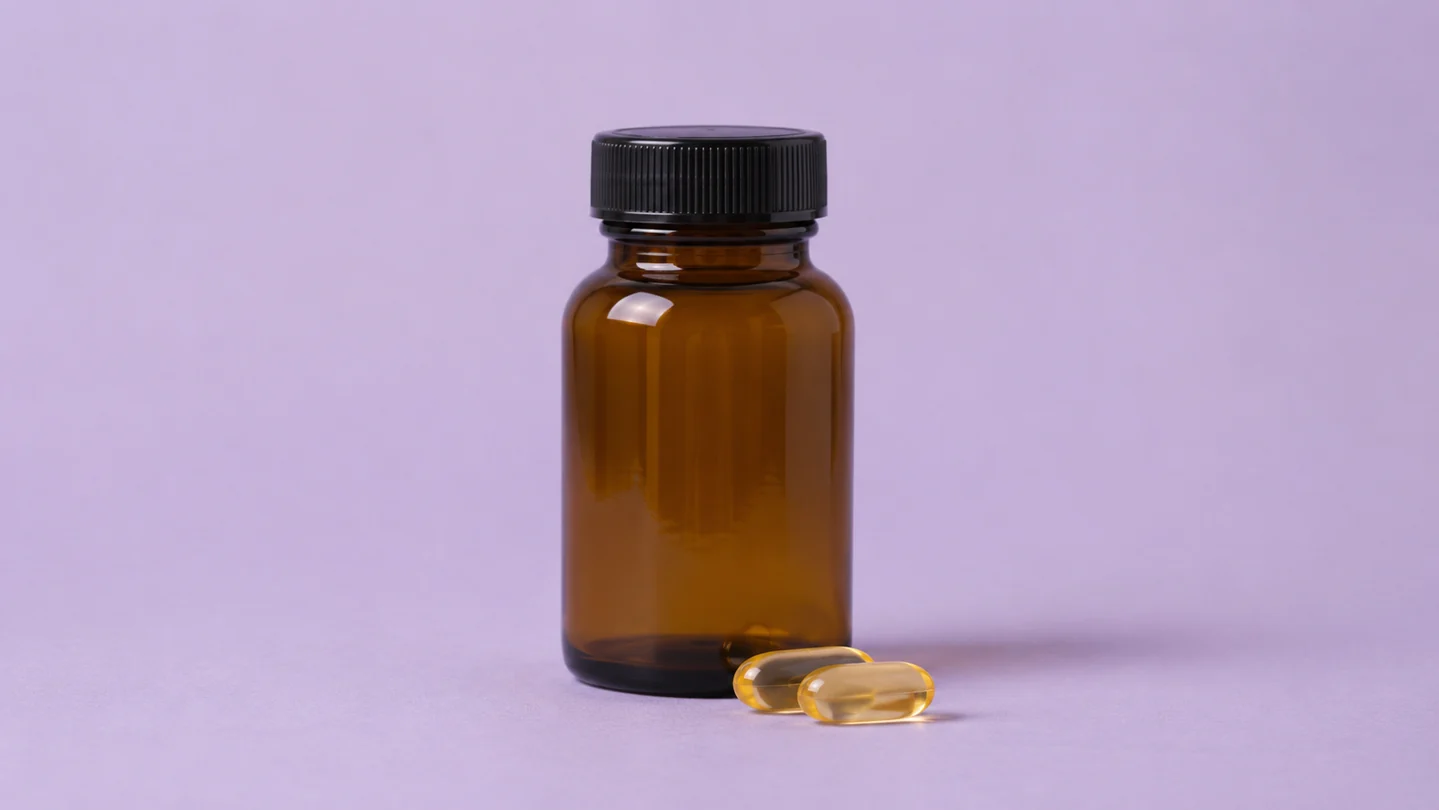
Biotin is one of the best-selling supplements in the hair, skin and nails aisle, and many products contain hundreds of times more than the body needs in a day. Yet the vitamin itself is unglamorous: it is a B vitamin that helps enzymes process fat, sugar and protein, and most people already get enough from ordinary food.
This guide explains what biotin does, how much you need, who might actually fall short, what the research shows for hair and nails, and the one safety issue that matters most: high doses can throw off some blood test results. It draws mainly on the NIH Office of Dietary Supplements (ODS) biotin fact sheet and published reviews.
Biotin guide: the short answer
Biotin guide: what it does, the adequate intake, food sources, deficiency, the limited evidence for hair and nails, safety and how high doses can distort blood test results.
What biotin is and what it does
Biotin, sometimes called vitamin B7 or vitamin H, is a water-soluble B vitamin. According to ODS, it acts as a helper, or cofactor, for five enzymes called carboxylases. These enzymes carry out key steps in breaking down fatty acids, glucose and amino acids. Biotin also plays roles in gene regulation and cell signaling.
Most biotin in food is bound to protein. Digestive enzymes, including one called biotinidase, release free biotin so it can be absorbed in the small intestine. Most of the biotin the body holds is stored in the liver. ODS notes that free biotin taken as a supplement is very well absorbed, even at large doses.
Because deficiency can cause thinning hair, brittle nails and a skin rash, biotin has gained a reputation as a beauty vitamin. That leap, from “deficiency causes hair loss” to “extra biotin grows more hair,” is where the evidence gets thin, as explained below.
How much biotin you need
There is not enough research to set a Recommended Dietary Allowance for biotin, so the Food and Nutrition Board set Adequate Intakes (AIs) instead. An AI is an amount assumed to ensure adequate nutrition. For adults 19 and older, the AI is 30 micrograms (mcg) a day, rising to 35 mcg during breastfeeding. The Daily Value on US labels is also 30 mcg.
| Group | Adequate Intake per day |
|---|---|
| Birth to 6 months | 5 mcg |
| 7 to 12 months | 6 mcg |
| 1 to 3 years | 8 mcg |
| 4 to 8 years | 12 mcg |
| 9 to 13 years | 20 mcg |
| 14 to 18 years | 25 mcg (30 mcg in pregnancy, 35 mcg when breastfeeding) |
| Adults 19 and older | 30 mcg (30 mcg in pregnancy, 35 mcg when breastfeeding) |
Compare that with the label on a typical hair supplement, which may list 5,000 or 10,000 mcg (5 or 10 mg). That is far more than the AI. Our biotin dosage article explains what these numbers mean and why more is not necessarily better.
Food sources
Many foods contain some biotin. ODS lists organ meats, eggs, fish, meat, seeds, nuts and certain vegetables such as sweet potatoes among the richest sources. A 3-ounce serving of cooked beef liver provides about 30.8 mcg, roughly a full day’s AI, and a whole cooked egg provides about 10 mcg. Salmon, pork, sunflower seeds, sweet potatoes and almonds contribute smaller amounts. Fruits, most dairy foods and bread contain very little.
One quirk is worth knowing. Raw egg whites contain avidin, a protein that binds biotin tightly and blocks its absorption. Cooking breaks down avidin, so cooked eggs do not cause this problem. ODS also notes that the biotin content of foods varies, and some processing such as canning can reduce it. For a fuller list, see biotin-rich foods.
Who might run short
ODS states that biotin deficiency is rare, and that severe deficiency has never been reported in healthy people eating a normal mixed diet. Average intakes from food in Western populations are estimated at about 35 to 70 mcg a day, above the AI. There are no nationally representative intake estimates for the United States, but ODS concludes that most people in Western countries consume adequate amounts.
When deficiency does happen, signs usually appear gradually and can include thinning hair, a scaly red rash around the eyes, nose and mouth, brittle nails, conjunctivitis and, in adults, neurological symptoms such as depression, lethargy and tingling in the hands and feet. The groups ODS describes as most likely to have inadequate biotin status are:
- People with biotinidase deficiency, a rare inherited disorder. US newborns are screened for it, and lifelong biotin treatment prevents symptoms.
- People with long-term heavy alcohol use, because alcohol reduces biotin absorption.
- People who are pregnant or breastfeeding, among whom marginal deficiency appears common, though the clinical meaning is not yet clear.
ODS also notes that long-term use of certain anticonvulsant medicines has been linked to lower biotin levels. A StatPearls review covers the causes and diagnosis in more detail (Cervantes 2025). Read more in biotin deficiency.
Hair, nails and skin: what the evidence shows
This is why most people buy biotin, and the evidence is weaker than marketing suggests. ODS describes the claims as supported, at best, by only a few case reports and small studies.
For hair, a review of published cases found that the people who improved with biotin had an underlying deficiency or a rare condition, and the authors concluded there is not enough evidence for supplementation in healthy people (Patel 2017). Another review found no clinical trials of biotin for hair loss (Soleymani 2017), and a review of vitamins and minerals in hair loss called for large placebo-controlled trials (Almohanna 2019). See biotin for hair.
For nails, the evidence consists of a few small studies without a placebo group, including one from 1990 that measured nail thickness in people with brittle nails (Colombo 1990). For skin, ODS says the support is limited to a small number of case reports in infants. Our article on biotin for nails and skin looks at these studies closely.
Safety and the lab test warning
Biotin has a reassuring toxicity profile. ODS reports that no Tolerable Upper Intake Level has been set because there is no evidence in humans that biotin is toxic at high intakes. Studies have found no adverse effects at 10 to 50 mg a day. That does not mean high doses are risk-free, and online claims about acne, weight gain or kidney harm are largely anecdotal. Our biotin side effects article separates the evidence from the rumors.
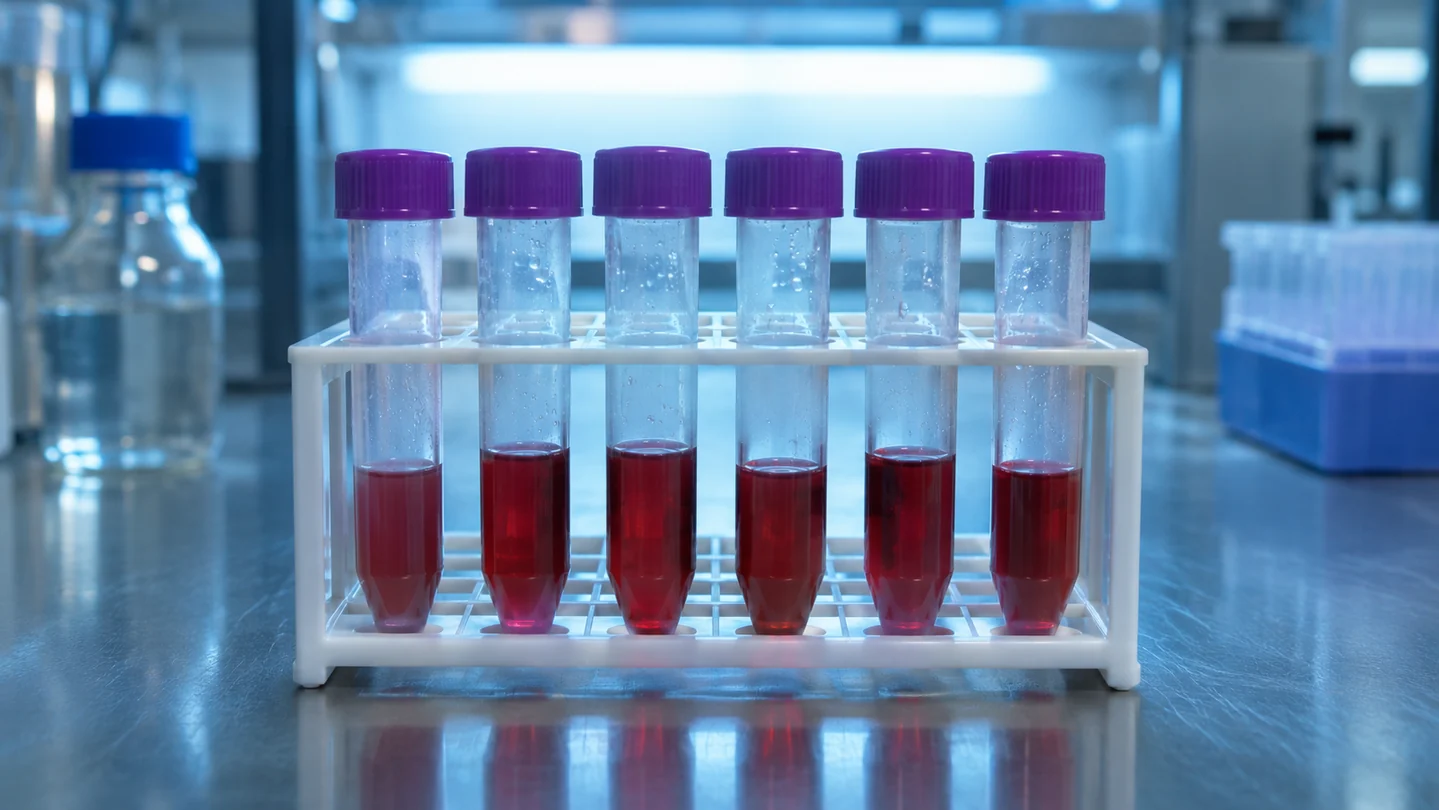
The most important safety issue is indirect. Many lab tests use a biotin-based technology, and high blood levels of biotin can make those tests give falsely high or falsely low results. ODS lists thyroid hormone tests among those affected and reports that, according to FDA, a patient taking high-dose biotin died after a troponin test, used to help diagnose heart attacks, gave a falsely low result. A small study of six healthy adults taking 10 mg a day for a week found interference in 9 of 23 biotin-based tests (Li 2017).
If you take biotin, including in a multivitamin or hair blend, tell your doctor and the lab before any blood test, and ask whether and for how long you should stop beforehand. Read more in biotin and lab tests and biotin and thyroid.
Should you take a biotin supplement?
For most healthy adults, the honest answer is probably not, at least not for hair or nails. Food supplies enough biotin for nearly everyone, and the beauty benefits have not been shown in people who are not deficient. People with a diagnosed deficiency or a condition affecting biotin status are a different case, and their treatment should be guided by a clinician.
If you notice unexplained hair loss, persistent brittle nails or a new rash, see a doctor or dermatologist rather than self-treating. These symptoms have many causes, including thyroid problems, iron deficiency and hormonal changes, and some need specific treatment. If you still want to try biotin, our guide on how to choose a biotin supplement covers doses and labels, and biotin vs collagen compares two popular options. Remember that US supplements are not approved by the FDA for safety or effectiveness before they are sold.
Frequently asked questions
Is biotin a B vitamin?
Yes. Biotin is a water-soluble B vitamin, sometimes called vitamin B7. It helps enzymes break down fats, carbohydrates and protein.
How much biotin do adults need?
The Adequate Intake for adults is 30 mcg a day, or 35 mcg while breastfeeding. Most people get this from food.
Does biotin make hair grow faster?
There is little evidence that it does in healthy people. Reported benefits come mainly from people with deficiency or rare hair conditions.
Is it safe to take high-dose biotin?
No toxicity has been shown in humans, but high doses can distort some blood test results, including thyroid and heart tests. Always tell your doctor and the lab.
Who is most likely to be low in biotin?
People with biotinidase deficiency, long-term heavy drinkers, and people who are pregnant or breastfeeding. Certain anticonvulsants may also lower levels.
Sources
- NIH Office of Dietary Supplements. Biotin: fact sheet for health professionals.
- NIH Office of Dietary Supplements. Biotin: fact sheet for consumers.
- FDA. Dietary supplements.
- Patel, et al. A review of the use of biotin for hair loss. Skin Appendage Disord. 2017.
- Soleymani, et al. The infatuation with biotin supplementation: is there truth behind its rising popularity? J Drugs Dermatol. 2017.
- Almohanna, et al. The role of vitamins and minerals in hair loss: a review. Dermatol Ther (Heidelb). 2019.
- Colombo, et al. Treatment of brittle fingernails and onychoschizia with biotin: scanning electron microscopy. J Am Acad Dermatol. 1990.
- Li, et al. Association of biotin ingestion with performance of hormone and nonhormone assays in healthy adults. JAMA. 2017.
- Cervantes, et al. Biotin deficiency. StatPearls. 2025.
Last reviewed November 2026. VitaBrief is educational and is not medical advice. Talk with a doctor, registered dietitian or pharmacist before starting a supplement, especially if you are pregnant, take medication or have kidney disease.
Not medical advice. This guide is for general education. Talk to your doctor or pharmacist before taking a supplement, especially if you are pregnant or breastfeeding, take medication or have a health condition. Medical disclaimer