Supplement basics
Creatine side effects: what to expect
Bloating, stomach upset, weight gain, headaches, cramps and acne: which creatine side effects are real, and how to avoid them.
VitaBrief editorial · Last reviewed November 2026 · Sources listed below
Reader-supported. This page may contain affiliate links. If you buy through one, we may earn a commission at no extra cost to you. It never changes what we write. Affiliate disclosure

Creatine Side Effects: the short answer
The real side effects of creatine are mostly minor: early water weight, and stomach upset with large doses. Splitting doses, skipping loading and taking it with food prevent most problems. Claims that creatine damages healthy kidneys, causes cramps or causes hair loss are not supported by controlled research.
Creatine is one of the most studied supplements, and its safety record in healthy adults is strong. Even so, “creatine side effects” is one of the top creatine searches, and online forums are full of stories about bloating, headaches, hair loss and kidney damage. Some of these effects are real but manageable. Others have not held up in controlled research. This guide separates the two, based on the International Society of Sports Nutrition (ISSN) position stand (Kreider 2017), the ISSN’s review of creatine misconceptions (Antonio 2021), its 2025 follow-up (Antonio 2025) and MedlinePlus.
Side effects at a glance
| Effect | How common | What the evidence says |
|---|---|---|
| Water weight gain | Common | About 1–2 kg early, mostly water inside muscle |
| Bloating | Occasional | Mainly during loading or with large doses |
| Stomach upset, diarrhea | Occasional | Dose dependent; less likely with split doses and food |
| Raised blood creatinine | Common | A lab effect; does not by itself mean kidney damage |
| Muscle cramps, dehydration | Not supported | Controlled trials show no increase, sometimes fewer |
| Kidney damage in healthy people | Not supported | Meta-analyses find no harm to kidney function |
| Hair loss | Not supported | One 2009 hormone study; a 2025 trial found no hair effect |
| Liver damage | Not supported | No consistent signal in clinical trials |
Water weight
The most consistent side effect is a quick rise on the scale. Creatine pulls water into muscle cells, and people often gain 1 to 2 kg (2 to 4 lb) in the first week of loading, or more gradually without loading. One study found creatine increased total body water without shifting the balance between water inside and outside cells, meaning it is not the same as puffy fluid retention under the skin (Powers 2003). Over months of training, some of the gain becomes real muscle. Creatine does not cause fat gain. See does creatine make you gain weight?
Bloating, stomach upset and diarrhea
Digestive symptoms are the most common complaint, and dose is the main factor. In a study of athletes, a single 10 g dose caused diarrhea in more people than two 5 g doses spread across the day (Ostojic 2008). Undissolved powder may also draw water into the gut.
How to reduce digestive effects:
- Skip the loading phase, or split loading doses into 5 g portions.
- Take creatine with a meal.
- Mix it in enough liquid, at least 8 oz (250 ml), and stir well. Warm liquid helps it dissolve.
- Try a micronized creatine monohydrate, which mixes more easily.
Constipation is reported online but has not been seen consistently in trials. Drinking enough fluid may help.
Cramps and dehydration
An old belief holds that creatine causes muscle cramps, strains and dehydration, especially in the heat. Controlled studies in athletes, including those training in hot conditions, have not found more cramping, dehydration or injuries with creatine. Some found fewer (Antonio 2021). Normal hydration still matters for anyone exercising.
Headaches
Headaches appear in user reports but have not been documented as a consistent effect in trials. If they happen, possible causes include caffeine in a pre-workout blend, not drinking enough fluid, or a large dose. Try plain creatine monohydrate at 3 g a day with food and plenty of water. If headaches continue, stop and talk with a clinician.
Acne
There is no clinical trial evidence that creatine causes acne. The theory usually comes from the 2009 study showing a rise in the hormone DHT, which is also linked to hair loss. Many creatine users also take whey protein, which has been associated with acne in some reports. If you notice breakouts, check what else is in your products.
Kidneys
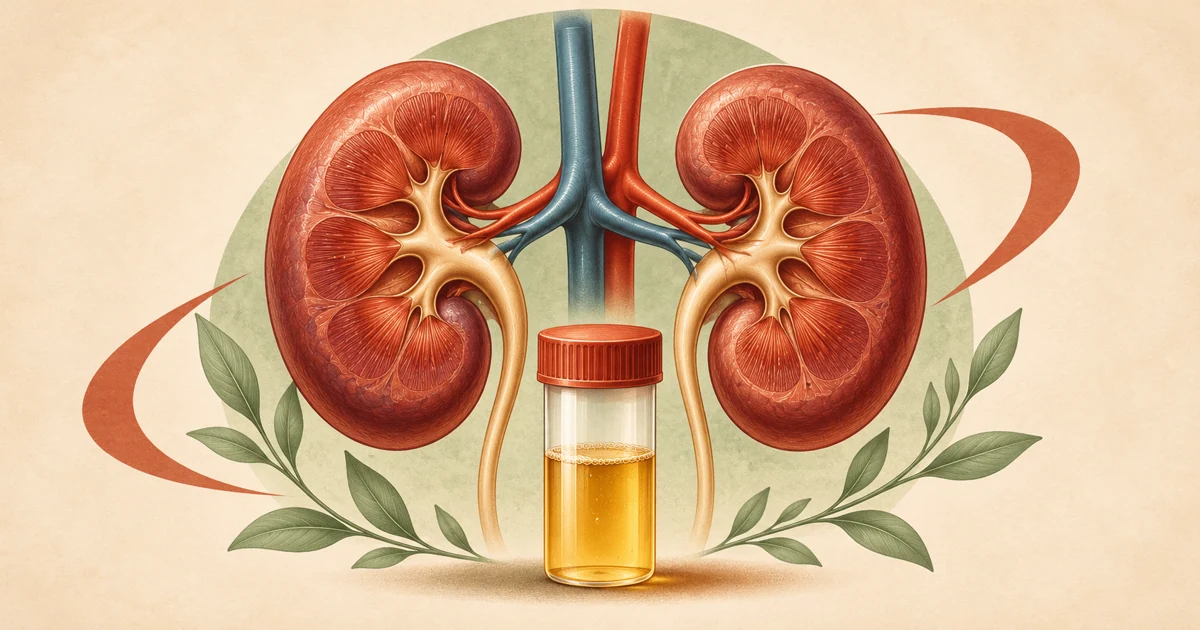
Concern about kidneys is understandable, because creatine raises blood creatinine, the waste product doctors use to estimate kidney function. That rise reflects more creatine being broken down, not damage. A meta-analysis of controlled trials found creatine did not significantly change markers of kidney function in people without kidney disease (de Souza e Silva 2019). People with kidney disease, those at high risk, and anyone taking medicines that strain the kidneys should not take creatine without medical advice. Read more in creatine and kidneys.
Hair loss
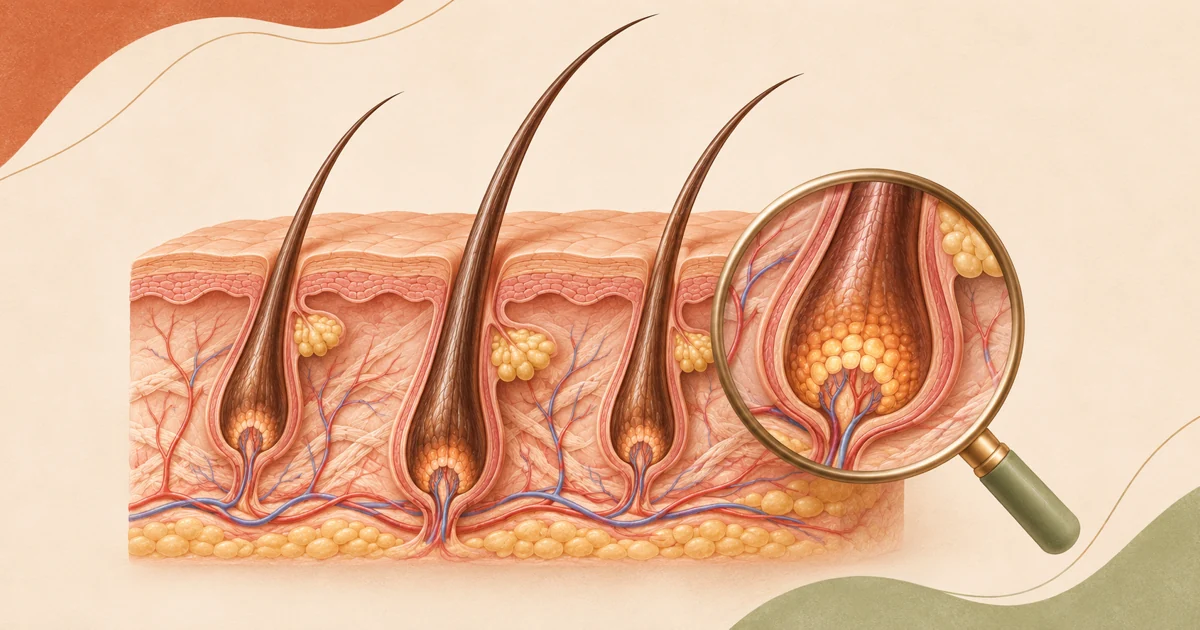
A 2009 study of rugby players found that creatine raised levels of dihydrotestosterone (DHT), a hormone linked to male-pattern baldness (van der Merwe 2009). The study did not measure hair. A 2025 randomized trial that did measure hair found no change in DHT, hair density or hair follicle health after 12 weeks of creatine (Lak 2025). Details are in creatine and hair loss.
Long-term safety
The ISSN reports studies of up to 5 years at doses up to 30 g a day with no clear evidence of harm in healthy people, and creatine has been studied in clinical populations including older adults and children with certain medical conditions (Kreider 2017). Concerns about cancer have come up online, but no clinical evidence links creatine supplements to cancer. Most long-term research involves creatine monohydrate. Less is known about newer forms and blended products.
Who should avoid creatine or ask first
| Group | Why |
|---|---|
| Kidney disease or reduced kidney function | Limited safety data; may complicate monitoring |
| Taking drugs that affect the kidneys (some NSAIDs, diuretics, certain antibiotics) | Possible added strain |
| Pregnant or breastfeeding | Not enough human safety data (MedlinePlus) |
| Bipolar disorder | Case reports of mania |
| Diabetes | Generally studied safely, but kidney monitoring matters |
| Children and teens | Less research; use only with professional guidance |
Product quality
Some “side effects” may come from other ingredients or poor quality, not creatine. Pre-workout blends often add caffeine and stimulants. Gummies add sugar and may contain less creatine than the label claims. The NCCIH notes that supplements are not approved by the FDA before sale. Choose plain creatine monohydrate with third-party certification, such as NSF Certified for Sport, USP or Informed Sport.
When to stop and call a doctor
Stop creatine and contact a clinician if you notice swelling in the legs, a large drop in how much you urinate, dark urine, severe or persistent stomach pain, a rash or other signs of an allergic reaction, or new mood changes such as racing thoughts or unusual irritability. These are not typical creatine effects and should be checked.
The bottom line
The real side effects of creatine are mostly minor: early water weight, and stomach upset with large doses. Splitting doses, skipping loading and taking it with food prevent most problems. Claims that creatine damages healthy kidneys, causes cramps or causes hair loss are not supported by controlled research. People with kidney disease, those who are pregnant or breastfeeding and people with bipolar disorder should get medical advice first.
Frequently asked questions
Do creatine side effects go away?
Stomach upset usually settles after loading ends or the dose is lowered. Water weight stays while you take creatine and goes away within weeks of stopping.
Does creatine make you pee more?
Some people notice this, often because they drink more fluid with it. Creatine has not been shown to dehydrate you.
Does creatine affect blood pressure?
Studies have not shown a meaningful effect on blood pressure in healthy adults. People with high blood pressure should mention it to their clinician, mainly because of kidney monitoring.
Can I drink alcohol while taking creatine?
There is no known dangerous interaction, but alcohol impairs recovery and hydration, which can reduce the benefits of training.
Is creatine bad for your liver?
Clinical trials have not shown liver harm in healthy people. People with liver disease should check with their doctor.
Are side effects different for men over 50?
Not in a meaningful way, but older adults are more likely to have reduced kidney function or take medicines that affect the kidneys, so a check-in with a doctor is wise.
Sources
- Kreider RB, et al. International Society of Sports Nutrition position stand: safety and efficacy of creatine supplementation in exercise, sport, and medicine. J Int Soc Sports Nutr. 2017;14:18.
- Antonio J, et al. Common questions and misconceptions about creatine supplementation: what does the scientific evidence really show? J Int Soc Sports Nutr. 2021;18(1):13.
- Antonio J, et al. Part II. Common questions and misconceptions about creatine supplementation: what does the scientific evidence really show? J Int Soc Sports Nutr. 2025;22(1):2441760.
- Powers ME, et al. Creatine supplementation increases total body water without altering fluid distribution. J Athl Train. 2003;38(1):44-50.
- Ostojic SM, Ahmetovic Z. Gastrointestinal distress after creatine supplementation in athletes: are side effects dose dependent? Res Sports Med. 2008;16(1):15-22.
- de Souza e Silva A, et al. Effects of creatine supplementation on renal function: a systematic review and meta-analysis. J Ren Nutr. 2019;29(6):480-9.
- van der Merwe J, et al. Three weeks of creatine monohydrate supplementation affects dihydrotestosterone to testosterone ratio in college-aged rugby players. Clin J Sport Med. 2009;19(5):399-404.
- Lak M, et al. Does creatine cause hair loss? A 12-week randomized controlled trial. J Int Soc Sports Nutr. 2025;22(sup1):2495229.
- MedlinePlus. Creatine.
- NCCIH. Using Dietary Supplements Wisely.
Last reviewed November 2026. VitaBrief is educational and is not medical advice. Talk with a doctor, registered dietitian or pharmacist before starting a supplement, especially if you are pregnant, take medication or have kidney disease.
Not medical advice. This guide is for general education. Talk to your doctor or pharmacist before taking a supplement, especially if you are pregnant or breastfeeding, take medication or have a health condition. Medical disclaimer