Ingredient guides
Calcium deficiency symptoms: low intake vs. low blood calcium
Why low calcium intake rarely causes noticeable symptoms, what low blood calcium feels like, the long-term effect on bone, what the evidence says about teeth and nails, and how calcium is tested.
VitaBrief editorial · Last reviewed November 2026 · Sources listed below
Reader-supported. This page may contain affiliate links. If you buy through one, we may earn a commission at no extra cost to you. It never changes what we write. Affiliate disclosure
“Calcium deficiency” can mean two very different things. One is not eating enough calcium over months and years. The other is a low level of calcium in the blood, called hypocalcemia. They are often mixed up online, but they have different causes, different symptoms and different solutions. Low intake is common and usually silent. Low blood calcium is uncommon, is usually caused by a medical condition rather than diet, and needs a doctor. This guide explains both, drawing on the NIH Office of Dietary Supplements (ODS) and MedlinePlus.
If you have symptoms such as numbness, tingling, muscle spasms or confusion, do not try to diagnose or treat yourself with supplements. See a doctor, and seek urgent care for severe symptoms.
Low intake vs. low blood calcium
Almost all of the body’s calcium is stored in bones and teeth. A small amount circulates in the blood, where it is needed for muscles to contract, nerves to send signals, the heart to beat and blood to clot. The body keeps blood calcium within a narrow range, mainly through parathyroid hormone and vitamin D.
When you eat too little calcium, the body protects that blood level by drawing calcium from bone. As the ODS explains, this is why low intake usually does not cause obvious short-term symptoms: blood calcium stays normal while the bones slowly pay the price. A normal blood calcium test therefore does not mean your diet contains enough calcium.
| Low calcium intake | Low blood calcium (hypocalcemia) | |
|---|---|---|
| What it is | Eating less than the recommended amount over time | Calcium level in the blood below the normal range |
| Usual cause | Diet low in dairy, fortified foods or other sources | Medical conditions or treatments, not diet |
| Symptoms | Usually none in the short term | May include numbness, tingling, muscle cramps or spasms |
| Long-term effect | Lower bone density, higher risk of osteoporosis | Depends on the cause; can be serious |
| What to do | Improve diet; supplement only to fill a gap | See a doctor to find and treat the cause |
What causes low blood calcium
According to the ODS, hypocalcemia usually results from medical problems or treatments, not from a low-calcium diet. Examples it and MedlinePlus describe include kidney failure, surgery that removes or damages the parathyroid glands (sometimes during thyroid surgery), low parathyroid hormone levels (hypoparathyroidism), very low vitamin D, low magnesium, and certain medicines. Problems with absorption in the gut and some other illnesses can also play a role.
Because the cause is usually a condition, the treatment is directed at that condition. That is why this is a medical finding for a doctor to investigate, not a diet issue to fix with more milk or an over-the-counter supplement. For the opposite problem, see high calcium levels.
Symptoms of low blood calcium
Symptoms depend on how low the level is and how quickly it fell. Mild hypocalcemia may cause no symptoms at all and be found only on a routine blood test. When symptoms do occur, the ODS and MedlinePlus describe signs such as:
- Numbness or tingling, often in the fingers or around the mouth
- Muscle cramps or spasms
- Fatigue or feeling weak
- Poor appetite
- In more severe cases, convulsions, abnormal heart rhythms or confusion
These symptoms are not specific. Tingling and cramps have many possible causes, from nerve problems to dehydration to low magnesium, and most people with occasional muscle cramps do not have low blood calcium. A blood test, interpreted by a doctor alongside your history and other results, is the only way to know whether calcium is actually low. Severe symptoms, such as seizures, a racing or irregular heartbeat, or sudden confusion, need emergency care.
Bone loss: the long-term effect of low intake
The main consequence of eating too little calcium over many years is weaker bones. When the body keeps borrowing calcium from the skeleton, bone density can fall. In children, this may mean not reaching full peak bone mass; in adults, it can contribute to osteopenia (low bone mass) and osteoporosis, which raise the risk of fractures. According to NIAMS, osteoporosis often has no symptoms until a bone breaks, which is why it is sometimes called a silent disease.
Low calcium intake is only one factor. Age, sex, menopause, genetics, vitamin D status, physical activity, smoking, alcohol and some medicines all affect bone. Adequate calcium is a foundation, not a cure, and it works best alongside enough vitamin D and regular weight-bearing exercise. Studies of supplements alone in community-dwelling adults show modest or uncertain effects on fracture risk (USPSTF 2018, Bolland 2015). If you have or may have osteoporosis, talk to a doctor about screening and treatment; see calcium for osteoporosis.
Teeth and nails: what the evidence says
Searches for “calcium deficiency teeth” and “calcium deficiency nails” are common, and many websites list brittle nails, weak nails or tooth decay as signs of low calcium. We did not find good evidence in our sources to support using nail or tooth changes as signs of calcium deficiency in adults. The ODS fact sheet does not list them as recognized symptoms.
Teeth contain calcium, and calcium matters for building them in childhood. But tooth decay in adults is driven mainly by factors such as sugar, oral bacteria, fluoride and dental hygiene. Brittle or ridged nails have many causes, including aging, frequent hand-washing and other medical conditions. If your teeth or nails concern you, see a dentist or doctor rather than assuming a calcium problem, and do not start high-dose supplements on that basis.
Who is at risk of low calcium intake
The ODS identifies several groups more likely to fall short on calcium:
- Postmenopausal women, because lower estrogen increases bone loss and may reduce calcium absorption. See calcium for women.
- People who avoid dairy, including those with lactose intolerance or milk allergy, unless they plan other sources.
- Vegans and some vegetarians, for similar reasons, especially if they rely on high-oxalate greens such as spinach.
- Women with amenorrhea (missed periods), such as female athletes with very low energy intake or people with eating disorders.
- Teens, particularly girls, many of whom do not meet their high RDA of 1,300 mg. See calcium for kids.
- Older adults, who tend to absorb calcium less efficiently.
If you are in one of these groups, start by reviewing your diet. Our calcium-rich foods list and calcium dosage guide can help you estimate intake. A supplement may help fill a real gap, but total intake from food and supplements should stay near the RDA and below the upper limit set by the ODS.
Testing for calcium problems
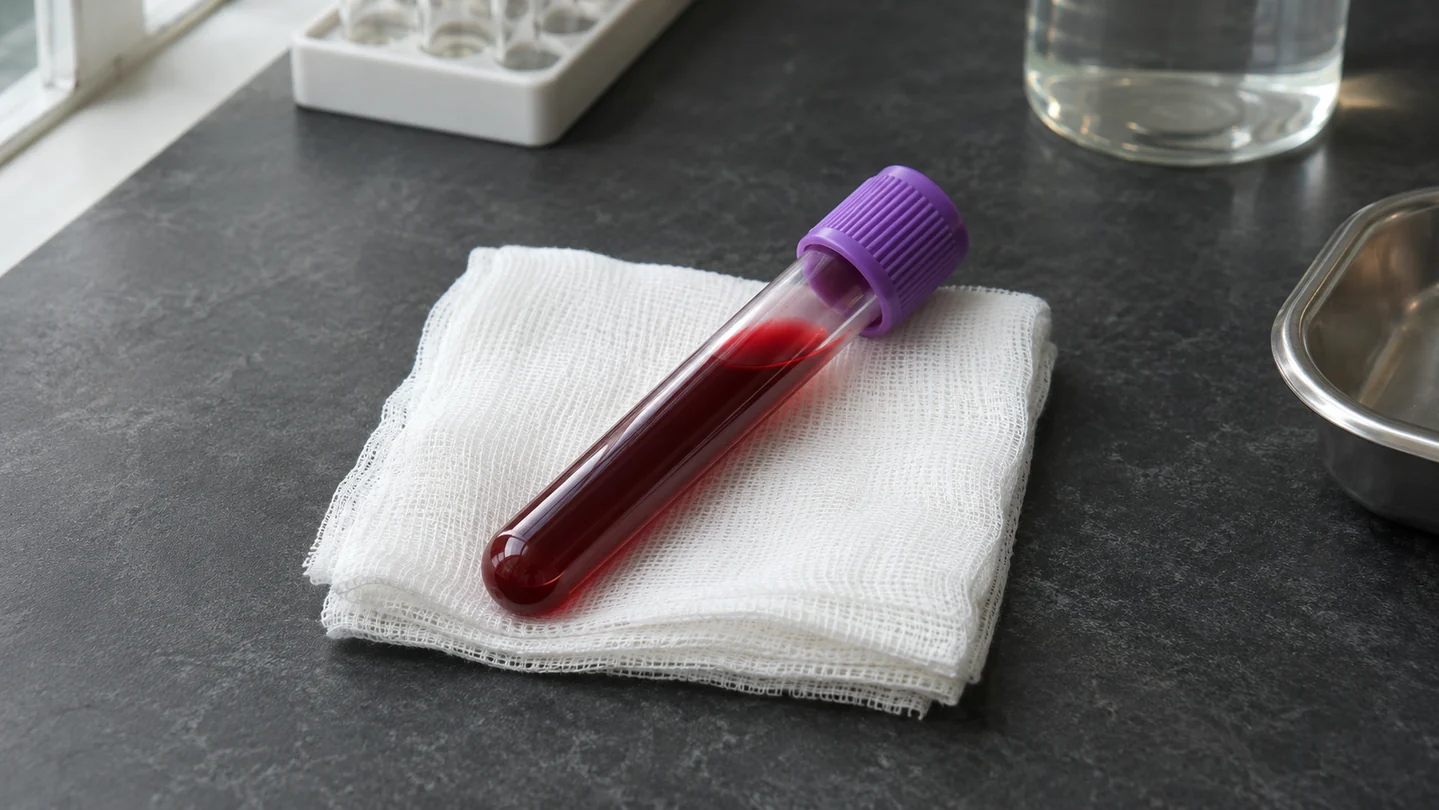
A calcium blood test measures the calcium in your blood. MedlinePlus explains that it is often part of a routine metabolic panel and may also be ordered if you have symptoms of low or high calcium, or conditions affecting the kidneys, bones, thyroid or parathyroid glands. Doctors may measure total calcium or ionized (“free”) calcium, and may check albumin, parathyroid hormone, vitamin D, magnesium or phosphorus to understand an abnormal result.
A blood test does not tell you whether your diet is adequate, because the body defends blood calcium by drawing on bone. To assess bone health, doctors use a bone density scan (DXA), usually recommended for women 65 and older and others at higher risk. To assess intake, a diet review with a doctor or dietitian is more useful than any test.
Talk to a doctor if you have symptoms of low blood calcium, have had thyroid or parathyroid surgery, have kidney disease, take medicines that affect calcium or bone, or have a history of fractures from minor falls.
Frequently asked questions
What are the first signs of calcium deficiency?
Low intake usually causes no early symptoms. Low blood calcium may cause numbness, tingling around the mouth or in the fingers, and muscle cramps, but it is usually due to a medical condition.
Can a calcium deficiency cause muscle cramps?
Low blood calcium can. But most muscle cramps have other causes, and only a blood test can show whether calcium is low.
Does calcium deficiency affect teeth and nails?
There is no good evidence that nail or tooth changes are reliable signs of calcium deficiency in adults. See a dentist or doctor if you are concerned.
Should I take a supplement if I think I am deficient?
If you have symptoms, see a doctor first. If your diet is low, try food first and use a supplement only to fill the gap.
Will a blood test show if I eat enough calcium?
No. Blood calcium usually stays normal even when intake is low, because the body draws calcium from bone.
Sources
- NIH Office of Dietary Supplements. Calcium: Fact Sheet for Health Professionals.
- NIH Office of Dietary Supplements. Calcium: Fact Sheet for Consumers.
- MedlinePlus. Calcium blood test.
- MedlinePlus. Calcium.
- NIAMS. Osteoporosis.
- US Preventive Services Task Force. Vitamin D, calcium, or combined supplementation for primary prevention of fractures in community-dwelling adults. JAMA. 2018.
- Bolland MJ, et al. Calcium intake and risk of fracture: systematic review. BMJ. 2015.
Last reviewed November 2026. VitaBrief is educational and is not medical advice. Talk with a doctor, registered dietitian or pharmacist before starting a supplement, especially if you are pregnant, take medication or have kidney disease.
Not medical advice. This guide is for general education. Talk to your doctor or pharmacist before taking a supplement, especially if you are pregnant or breastfeeding, take medication or have a health condition. Medical disclaimer