Ingredient guides
High calcium levels: causes, symptoms and what to do
A high blood calcium result is a medical finding, not a diet problem. Here is what it can mean, what usually causes it and why it needs a doctor.
VitaBrief editorial · Last reviewed November 2026 · Sources listed below
Reader-supported. This page may contain affiliate links. If you buy through one, we may earn a commission at no extra cost to you. It never changes what we write. Affiliate disclosure
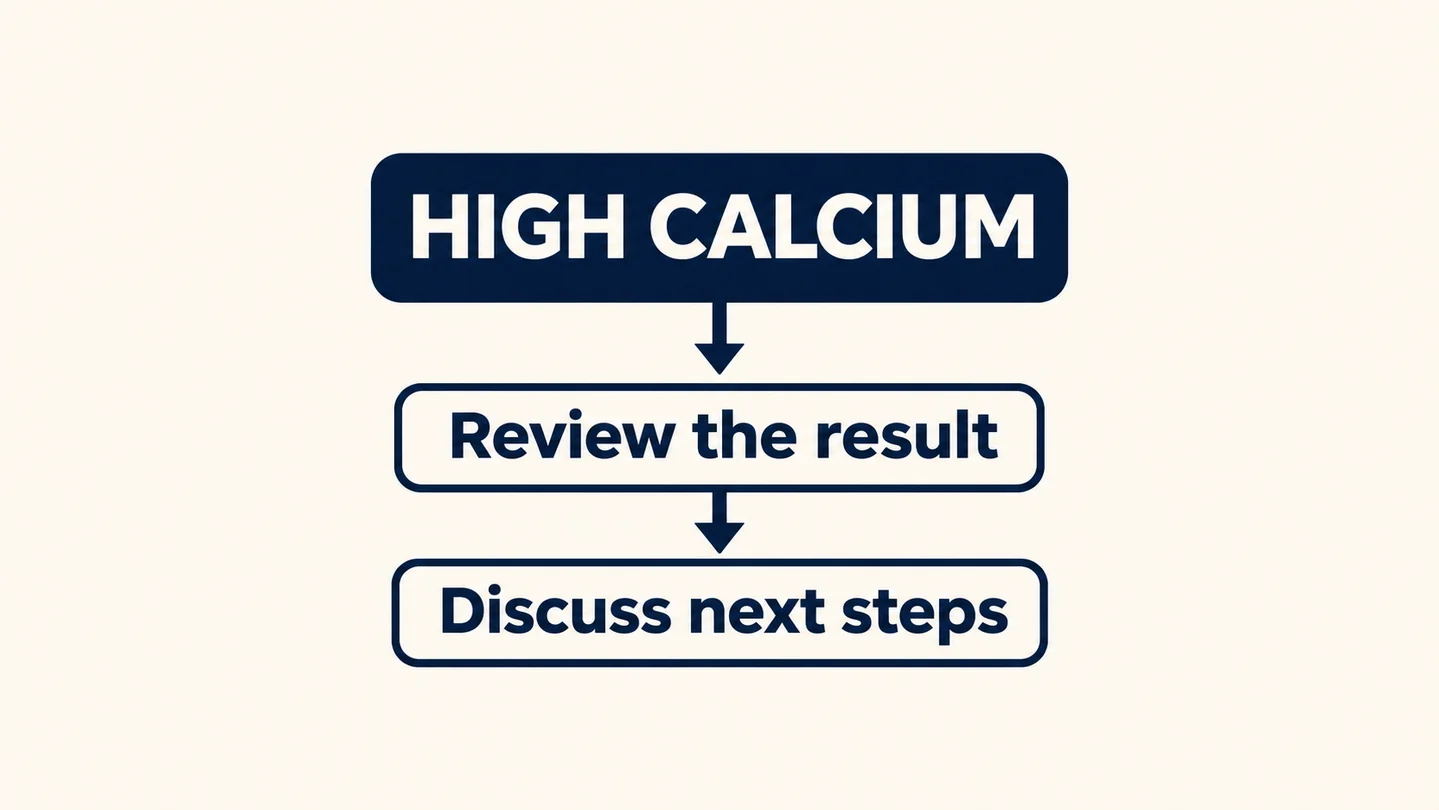
Finding out that your blood calcium is high can be confusing, especially if you have been told for years to make sure you get enough calcium. The two ideas are not in conflict. Your body keeps the calcium level in your blood within a narrow range, using hormones that move calcium in and out of bone, the gut and the kidneys. When that level runs high, it usually means something is affecting those control systems. It rarely means you simply ate too much cheese.
The medical name for high blood calcium is hypercalcemia. This guide explains what the test measures, the most common causes, the smaller role that supplements, antacids and vitamin D can play, the symptoms to know and why a high result always deserves follow-up with a doctor. It draws on MedlinePlus, a 2022 JAMA review of hypercalcemia and international guidelines on hyperparathyroidism. It is general information, not a diagnosis.
High calcium levels: the short answer
High calcium levels (hypercalcemia) explained: what a high blood calcium test means, common causes such as primary hyperparathyroidism and cancer, the role of supplements, antacids and vitamin D, symptoms, and when to see a doctor.
What high blood calcium means
Almost all of the calcium in your body is stored in your bones and teeth. Only a small fraction circulates in the blood, but that fraction matters a great deal: it helps nerves send signals, muscles contract and the heart keep a steady rhythm. Because those jobs are so important, the body works hard to hold blood calcium steady regardless of how much calcium you eat on a given day.
The main regulator is parathyroid hormone (PTH), made by four small glands in the neck. When blood calcium drops, PTH rises and pulls calcium from bone, tells the kidneys to hold on to calcium and helps activate vitamin D so the gut absorbs more. When blood calcium rises, PTH normally falls. Hypercalcemia happens when this system is overridden, for example when the parathyroid glands make too much hormone or when another process releases calcium into the blood.
A calcium blood test is often part of a routine metabolic panel, which is why many people learn about a high level by chance. MedlinePlus notes that the test may measure total calcium or ionized (free) calcium. Total calcium can be affected by the level of albumin, a blood protein, so doctors sometimes correct for albumin or order an ionized calcium test. Normal ranges vary slightly between laboratories, so read your result against the range printed on your report and let your clinician interpret it.
Common causes
According to the 2022 JAMA review, primary hyperparathyroidism and cancer account for most cases of hypercalcemia. They tend to look different in practice.
- Primary hyperparathyroidism. One or more parathyroid glands become overactive, usually because of a benign growth, and make too much PTH. It is a common cause in people who are otherwise well and is often found on routine blood work. Calcium is frequently only mildly raised, and many people have few or no symptoms. The Fifth International Workshop guidelines describe how it is evaluated and when surgery or monitoring is recommended, including checks of bone density and kidney health.
- Cancer. Some cancers raise blood calcium, either by releasing a hormone-like substance or by spreading to bone. In this setting, calcium is often higher and rises faster, and the person is usually already unwell. This is one reason a high result should never be ignored.
- Other causes. Less common causes include certain medicines (such as thiazide diuretics and lithium), excess vitamin D, some inflammatory conditions, kidney problems, an overactive thyroid, prolonged immobility and dehydration, which can concentrate the blood. Inherited conditions can also play a role.
| Cause | How common | Typical picture |
|---|---|---|
| Primary hyperparathyroidism | Among the most common | Often mild, found on routine tests, PTH not suppressed |
| Cancer-related hypercalcemia | Among the most common | Often higher levels, person often already ill |
| Excess vitamin D | Less common | Usually linked to very high supplement doses |
| Milk-alkali syndrome | Less common | Large amounts of calcium plus absorbable alkali, such as antacids |
| Medicines (thiazides, lithium) | Less common | Usually mild; review with prescriber |
The role of supplements, antacids and vitamin D
In most people, calcium from food does not cause hypercalcemia, because the body simply absorbs less when intake is high. Supplements are a less common contributor, but they can matter when doses are large or combined with other products.
The clearest example is milk-alkali syndrome. A 2009 review in Mayo Clinic Proceedings describes it as a condition in which high intake of calcium together with an absorbable alkali leads to high blood calcium, a blood chemistry imbalance called metabolic alkalosis and kidney problems. Today it is mostly linked to calcium carbonate, which is used both as a supplement and in calcium carbonate antacids. Someone taking a calcium supplement for bones and also chewing antacid tablets every day for heartburn can end up with far more calcium than they realize.
Vitamin D is the other piece. It increases calcium absorption from the gut, and very high doses taken for a long time can push blood calcium up. The ODS vitamin D fact sheet sets an upper limit for adults and notes that toxicity is almost always caused by supplements, not food or sunlight. For more on how the two nutrients work together, see calcium and vitamin D and our vitamin D guide.
The practical lesson is to count everything. Total calcium from food, supplements and antacids should stay near your daily need and below the upper limit set by the ODS. Our calcium dosage guide explains how to add it up.
Symptoms of hypercalcemia
Mildly high calcium often causes no symptoms at all. When symptoms do appear, they can be vague and easy to blame on something else. MedlinePlus lists problems that may include:
- Increased thirst and passing more urine
- Nausea, vomiting, poor appetite and constipation
- Belly pain
- Tiredness, weakness and muscle aches
- Confusion, low mood, irritability or trouble concentrating
- Bone pain and, over time, weaker bones
- Kidney stones
Very high calcium can affect heart rhythm and consciousness and is a medical emergency. Seek urgent care for severe confusion, extreme drowsiness, fainting, a racing or irregular heartbeat, or vomiting that stops you keeping fluids down.
Why it needs a doctor
A single high reading may be repeated first, because results can be affected by dehydration, how the sample was taken and albumin levels. If the level is confirmed, a clinician will usually check PTH. A high or inappropriately normal PTH points toward hyperparathyroidism, while a low PTH suggests another cause, such as cancer, vitamin D excess or milk-alkali syndrome. Further tests may include vitamin D, kidney function, phosphate and urine calcium, guided by the JAMA review approach.
Treatment depends entirely on the cause. Primary hyperparathyroidism may be monitored or treated with surgery, depending on factors set out in the workshop guidelines, such as bone density, kidney stones and how high calcium runs. Cancer-related hypercalcemia needs prompt treatment alongside care for the cancer. Supplement-related causes usually improve once the excess source is identified and stopped under medical guidance. None of this can be sorted out by diet alone, which is why a high result is a reason to see a doctor rather than a reason to change your shopping list.
Tell your doctor about every supplement and over-the-counter product you use, including calcium, vitamin D, multivitamins and calcium carbonate antacids. A written list with doses is the most useful thing you can bring.
What not to do
- Do not stop prescribed medicines on your own. Some medicines can raise calcium, but stopping them suddenly can be harmful. Ask the prescriber whether a change is needed.
- Do not self-treat. Cutting out dairy, drinking large amounts of water or taking products marketed to “detox” calcium will not fix the underlying cause and can delay diagnosis.
- Do not keep taking extra calcium or vitamin D while you wait for advice, unless a clinician has told you to. Pausing over-the-counter calcium and vitamin D supplements is reasonable, but tell your doctor you have done so.
- Do not ignore a mild result. Even without symptoms, long-standing hypercalcemia can affect the kidneys and bones.
If you have had kidney stones, kidney disease or osteoporosis, mention it, since these conditions shape both testing and treatment. For more on stones and other risks of supplements, see calcium supplement side effects.
Frequently asked questions
Can eating too much dairy cause high blood calcium?
It is very unlikely on its own. The body absorbs less calcium when intake is high. Hypercalcemia usually reflects a medical cause such as hyperparathyroidism, cancer or very high supplement and antacid use.
Can calcium supplements cause hypercalcemia?
They can contribute, especially in large doses combined with calcium carbonate antacids or high-dose vitamin D, as in milk-alkali syndrome. At normal doses within the upper limit, this is uncommon.
Is slightly high calcium serious?
It may not cause symptoms, but it still needs follow-up. Mildly raised calcium is a common way primary hyperparathyroidism is found, and that condition can affect bones and kidneys over time.
What test comes after a high calcium result?
Usually a repeat calcium test and a parathyroid hormone (PTH) level. Depending on the results, doctors may check vitamin D, kidney function and urine calcium.
Should I stop my calcium supplement?
Pausing over-the-counter calcium and vitamin D until you speak to your doctor is reasonable. Do not stop prescribed medicines without asking the prescriber.
Sources
- MedlinePlus. Hypercalcemia.
- MedlinePlus. Calcium blood test.
- NIH Office of Dietary Supplements. Calcium: Fact Sheet for Health Professionals.
- NIH Office of Dietary Supplements. Vitamin D: Fact Sheet for Health Professionals.
- Hypercalcemia: a review. JAMA. 2022.
- Evaluation and management of primary hyperparathyroidism: summary statement and guidelines from the Fifth International Workshop. J Bone Miner Res. 2022.
- Milk-alkali syndrome. Mayo Clin Proc. 2009.
Last reviewed November 2026. VitaBrief is educational and is not medical advice. Talk with a doctor, registered dietitian or pharmacist before starting a supplement, especially if you are pregnant, take medication or have kidney disease.
Not medical advice. This guide is for general education. Talk to your doctor or pharmacist before taking a supplement, especially if you are pregnant or breastfeeding, take medication or have a health condition. Medical disclaimer