Supplement basics
Calcium supplement side effects: what to know before you start
Most side effects are digestive and mild, but kidney stones, high blood calcium and medicine interactions deserve attention.
VitaBrief editorial · Last reviewed November 2026 · Sources listed below
Reader-supported. This page may contain affiliate links. If you buy through one, we may earn a commission at no extra cost to you. It never changes what we write. Affiliate disclosure
Calcium supplements are among the most widely used supplements in the United States, and for most people who take a sensible amount they cause few problems. The side effects that do show up are usually digestive: constipation, gas and bloating. Less common but more serious issues include kidney stones, high blood calcium and interactions with prescription medicines. There is also an ongoing scientific debate about whether calcium supplements affect heart health.
A theme runs through all of these risks: they are tied to supplements and to high total intake, not to calcium from food. Many people already get enough calcium from their diet, and a supplement is meant to fill a shortfall, not to push intake far above what you need. This guide draws on the NIH Office of Dietary Supplements (ODS), MedlinePlus and published studies. It is general information, not personal medical advice.
Side effects at a glance
| Side effect | How common | What helps or what to do |
|---|---|---|
| Constipation | Fairly common | Lower or split the dose, try citrate, drink fluids, eat fiber |
| Gas and bloating | Fairly common | Smaller doses with meals; consider citrate |
| Kidney stones | Less common; linked to supplements more than food | Get calcium from food; talk to a doctor if you have had stones |
| High blood calcium | Uncommon at normal doses | Medical finding; see a doctor |
| Milk-alkali syndrome | Rare; very high intake, often from antacids | Stop extra calcium and seek care |
| Medicine interactions | Depends on what you take | Separate doses; ask a pharmacist |
| Heart concerns | Debated | Favor food sources; stay within limits |
Constipation, gas and bloating
Digestive complaints are the side effects people notice most often. According to the ODS consumer fact sheet, calcium supplements can cause gas, bloating and constipation, or a combination of these. ODS notes that calcium carbonate appears to cause these problems more often than calcium citrate, although individual experience varies and not everyone who takes carbonate has trouble.
If a supplement upsets your stomach, a few simple changes often help:
- Take less at a time. Splitting the daily amount into smaller doses spread through the day is gentler, and the body also absorbs calcium better in smaller amounts.
- Take it with a meal. Food can ease stomach upset, and calcium carbonate needs food for good absorption anyway.
- Try a different form. Switching from carbonate to citrate helps some people. Our calcium citrate vs. calcium carbonate comparison explains the differences.
- Look at your total intake. If you eat calcium-rich foods, you may need a smaller supplement or none at all. See calcium-rich foods.
- Support regular bowel habits with fluids, fiber and physical activity.
Some products combine calcium with magnesium, which can loosen stools and may offset constipation for some people. Too much supplemental magnesium causes diarrhea, though, so check the label. Our calcium vs. magnesium guide covers how the two minerals fit together.
Kidney stones
Kidney stones are the most studied serious concern with calcium supplements, and the evidence points to an important distinction between food and pills. In a large study of women followed over years, Curhan and colleagues (1997) found that higher dietary calcium was linked with a lower risk of kidney stones, while calcium supplement use was not protective and was associated with a somewhat higher risk. As an observational study, it shows association, not cause.
A randomized trial adds weight to the concern. In the Women’s Health Initiative (WHI) calcium plus vitamin D trial, postmenopausal women assigned to calcium plus vitamin D had more kidney stones than those given a placebo. The absolute increase was small, but it was one of the clearer harms seen in the trial.
Why might food and supplements differ? One explanation is that calcium eaten with meals binds oxalate in the gut, so less oxalate reaches the kidneys. A large supplement dose, especially one taken apart from food, may not do this as well. The NIDDK advises many people with calcium oxalate stones to get enough calcium from food rather than cutting it out.
See a doctor before taking calcium supplements if you have had kidney stones or have kidney disease. Do not cut dietary calcium on your own; too little can also raise stone risk.
Heart and blood vessel questions
Whether calcium supplements raise the risk of heart attack is a genuinely debated question. A 2010 meta-analysis by Bolland and colleagues reported that calcium supplements without vitamin D were associated with a higher risk of heart attack. Later reviews reached a different conclusion: an updated systematic review by Chung and colleagues (2016) and a clinical guideline by Kopecky and colleagues (2016) found no good evidence that calcium, with or without vitamin D, affects cardiovascular risk in generally healthy adults when intake stays within recommended limits.
The practical middle ground is to get as much calcium as you can from food and use a supplement only to close a gap. Our article on calcium supplements and heart health goes through the studies in detail.
High blood calcium and milk-alkali syndrome
Too much calcium in the blood is called hypercalcemia. At normal supplement doses it is uncommon in healthy people. It is more often caused by medical conditions such as overactive parathyroid glands (hyperparathyroidism) or certain cancers, according to MedlinePlus. Symptoms can include thirst, frequent urination, nausea, constipation, tiredness and confusion, though mild cases may have no symptoms at all.
Very high calcium intake can contribute, particularly in a condition called milk-alkali syndrome. A 2009 review in Mayo Clinic Proceedings describes it as a combination of high blood calcium, metabolic alkalosis and kidney problems, and links its modern form largely to heavy use of calcium carbonate, often taken as antacids or for bone health. People who chew calcium carbonate antacids throughout the day for heartburn while also taking a calcium supplement can reach high totals without realizing it.
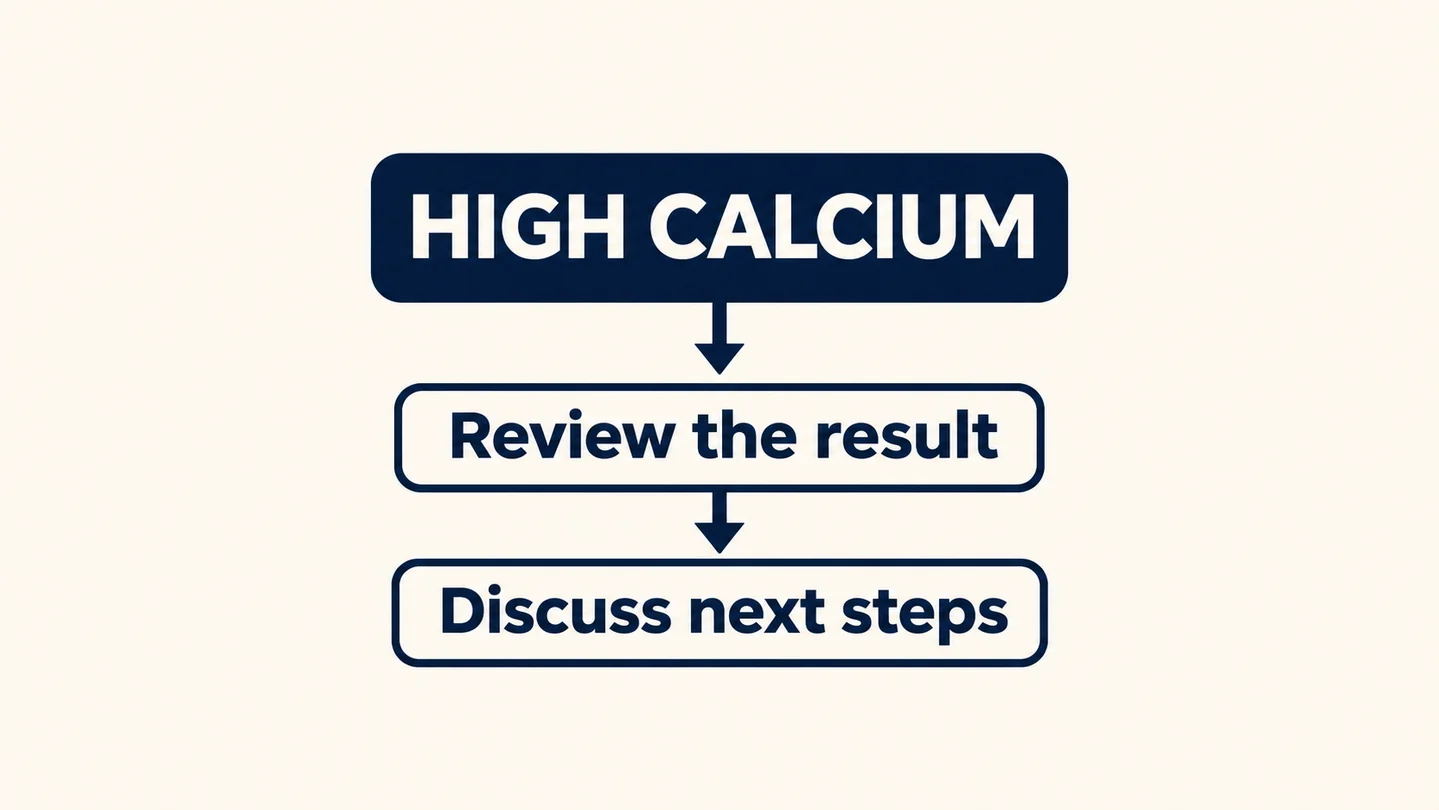
Hypercalcemia is a medical finding, not a diet issue. If a blood test shows high calcium, or you have the symptoms above, see a doctor rather than adjusting supplements on your own. Our guide to high calcium levels and the MedlinePlus calcium blood test page explain more.
Staying under the upper limit
Most side effects become more likely as total intake rises. ODS sets the tolerable upper intake level (UL) for adults at 2,500 mg per day through age 50 and 2,000 mg per day from age 51, counting food and supplements together.
| Adult age | RDA (mg/day) | Upper limit (mg/day) |
|---|---|---|
| 19 to 50 | 1,000 | 2,500 |
| 51 to 70, men | 1,000 | 2,000 |
| 51 to 70, women | 1,200 | 2,000 |
| 71 and older | 1,200 | 2,000 |
Add up what you get from dairy, fortified foods, a multivitamin, antacids and any separate supplement. Many adults who eat a reasonable diet need only a modest supplement, if any. Our calcium dosage guide explains how to estimate your intake.
Weight gain and joint pain
People sometimes ask whether calcium supplements cause weight gain or joint pain. There is no good evidence that they do. Calcium contains no calories. Likewise, there is no good evidence that calcium supplements cause joint pain or arthritis. The calcium deposits sometimes seen on joint X-rays come from other processes, not from dietary calcium.
New joint pain or unexplained weight changes are worth discussing with a clinician.
Interactions with medicines
Calcium can bind to some drugs in the gut and reduce how much is absorbed. ODS lists several important interactions:
- Thyroid hormone (levothyroxine). Calcium can lower its absorption, so doses are usually separated by several hours. See MedlinePlus on levothyroxine.
- Some antibiotics, including tetracyclines and fluoroquinolones, can be absorbed less well when taken with calcium.
- Bisphosphonates for osteoporosis should not be taken at the same time as calcium. See calcium for osteoporosis.
- Thiazide diuretics reduce calcium loss in urine and, combined with supplements, may raise blood calcium.
- Acid-reducing medicines may lower absorption of calcium carbonate; citrate is less affected.
- Iron. Calcium may reduce iron absorption when taken together. See our iron guide.
If you take any prescription medicine, ask your pharmacist how to time calcium around it. Our when to take calcium guide offers general timing tips.
Frequently asked questions
What are the most common side effects of calcium supplements?
Constipation, gas and bloating. ODS notes these appear more often with calcium carbonate than with calcium citrate.
Do calcium supplements cause kidney stones?
They may raise the risk somewhat. Observational research and the WHI trial linked supplements with more stones, while dietary calcium was linked with fewer. If you have had stones, talk to your doctor.
Can calcium supplements make you gain weight?
There is no good evidence that they do. Calcium has no calories.
Are calcium supplements bad for your heart?
The evidence is debated. One 2010 meta-analysis raised concern, while later reviews found no clear link in healthy adults within recommended limits. Favor food sources.
How do I stop constipation from calcium?
Take smaller doses with meals, consider switching to citrate, drink fluids and eat more fiber. Check whether you need as much supplement as you are taking.
Sources
- NIH Office of Dietary Supplements. Calcium: Fact Sheet for Health Professionals.
- NIH Office of Dietary Supplements. Calcium: Fact Sheet for Consumers.
- MedlinePlus. Hypercalcemia.
- MedlinePlus. Calcium Blood Test.
- MedlinePlus. Levothyroxine.
- NIDDK. Eating, Diet, and Nutrition for Kidney Stones.
- Curhan GC, et al. Comparison of dietary calcium with supplemental calcium and other nutrients as factors affecting the risk for kidney stones in women. Ann Intern Med. 1997.
- Jackson RD, et al. Calcium plus vitamin D supplementation and the risk of fractures. N Engl J Med. 2006.
- Bolland MJ, et al. Effect of calcium supplements on risk of myocardial infarction and cardiovascular events: meta-analysis. BMJ. 2010.
- Chung M, et al. Calcium intake and cardiovascular disease risk: an updated systematic review and meta-analysis. Ann Intern Med. 2016.
- Kopecky SL, et al. Lack of evidence linking calcium with or without vitamin D with cardiovascular disease in generally healthy adults. Ann Intern Med. 2016.
- Milk-alkali syndrome. Mayo Clin Proc. 2009.
Last reviewed November 2026. VitaBrief is educational and is not medical advice. Talk with a doctor, registered dietitian or pharmacist before starting a supplement, especially if you are pregnant, take medication or have kidney disease.
Not medical advice. This guide is for general education. Talk to your doctor or pharmacist before taking a supplement, especially if you are pregnant or breastfeeding, take medication or have a health condition. Medical disclaimer