Supplement basics
Electrolytes and your kidneys
How the kidneys balance electrolytes, when electrolyte drinks are safe, and why people with kidney disease or high blood pressure need extra care.
VitaBrief editorial · Last reviewed November 2026 · Sources listed below
Reader-supported. This page may contain affiliate links. If you buy through one, we may earn a commission at no extra cost to you. It never changes what we write. Affiliate disclosure
Electrolytes and Kidneys: the short answer
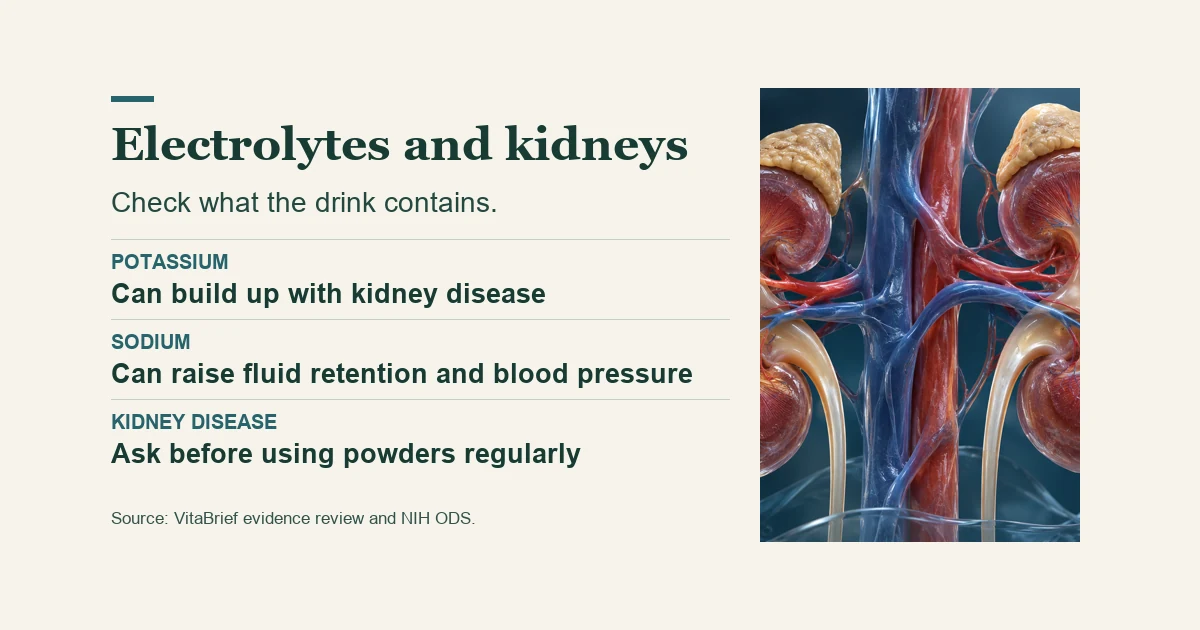
Electrolyte drinks are not bad for healthy kidneys, and staying hydrated protects them during illness and heat. The concerns are long-term high sodium, which raises blood pressure, and potassium in people with kidney disease or on medicines that raise potassium. If you have CKD, high blood pressure or take those medicines, check with your care team before using electrolyte products regularly.
Autocomplete shows people asking both “are electrolytes good for kidneys” and “are electrolytes bad for your kidneys,” and “best electrolyte drink for kidneys” is a common product search. The answer depends almost entirely on whether your kidneys work normally. Healthy kidneys handle the occasional electrolyte drink easily. When kidneys are damaged, though, the same drink can push potassium or sodium to unsafe levels. This guide explains why, based on MedlinePlus, the NIH Office of Dietary Supplements (ODS), the FDA and research on salt and blood pressure.
How kidneys control electrolytes
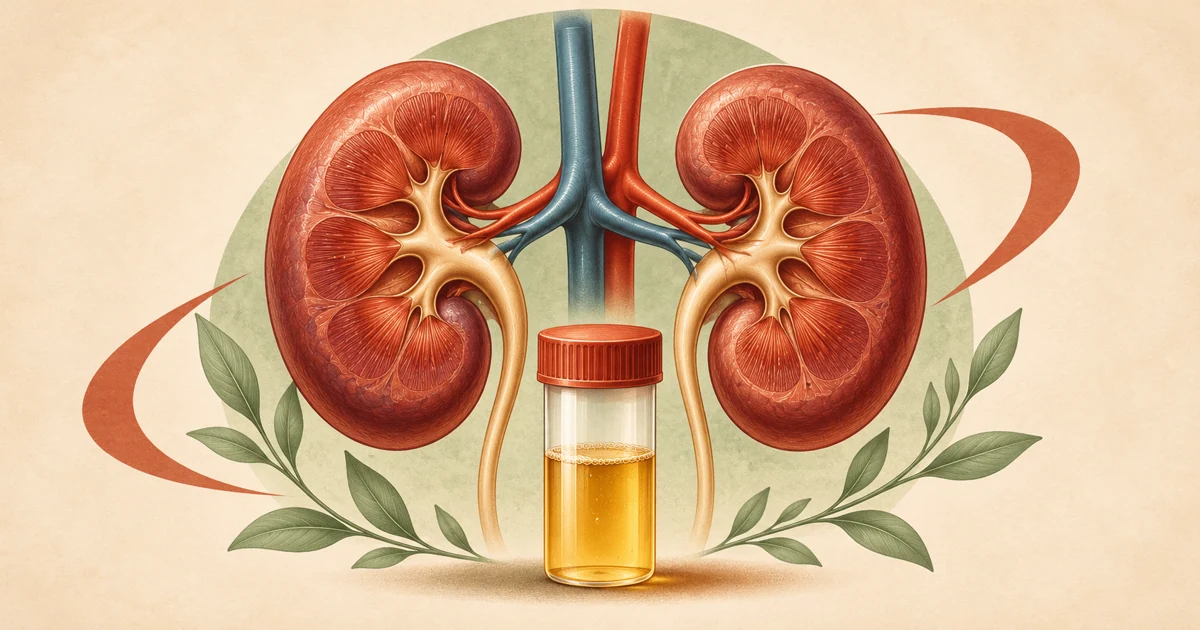
The kidneys filter the blood many times a day and decide how much water, sodium, potassium, magnesium, calcium and phosphate to keep or excrete. When you eat a salty meal, they excrete the extra sodium. When potassium rises, they excrete more. This fine-tuning keeps blood levels stable despite big swings in diet (MedlinePlus).
As kidney function declines, this ability shrinks. People with advanced chronic kidney disease (CKD) may not be able to excrete enough potassium or sodium, so what they eat and drink has a direct effect on blood levels.
Healthy kidneys
For people with normal kidney function, electrolyte drinks used for exercise, heat or illness do not harm the kidneys. In fact, staying hydrated during illness and heat protects them, because severe dehydration can cause acute kidney injury. The main long-term concern is sodium: regular high intake raises blood pressure, and high blood pressure is one of the leading causes of kidney disease. A Cochrane meta-analysis found that modest salt reduction lowered blood pressure, more so in people with hypertension (He 2013).
Chronic kidney disease
| Electrolyte | Concern in CKD | Practical point |
|---|---|---|
| Potassium | Can build up and cause dangerous heart rhythms | Avoid potassium-rich drinks, coconut water and potassium salt substitutes unless approved |
| Sodium | Raises blood pressure and fluid retention | Limit high-sodium powders |
| Phosphate | Builds up and harms bones and blood vessels | Some drinks contain phosphate additives |
| Magnesium | Can accumulate | Avoid magnesium supplements without advice |
| Fluid | May need limiting in advanced disease or dialysis | Follow your fluid allowance |
People with CKD should not use electrolyte products regularly without guidance from their nephrologist or renal dietitian. During illness with vomiting or diarrhea, they should contact their care team early, because both dehydration and the wrong replacement drink can cause problems.
The potassium question
For healthy people, potassium from food helps lower blood pressure, and many people do not get enough (ODS). The danger comes when the kidneys cannot excrete it, or when medicines reduce excretion. High blood potassium (hyperkalemia) often causes no symptoms until it affects the heart. Medicines that can raise potassium include:
- ACE inhibitors (such as lisinopril) and ARBs (such as losartan)
- Potassium-sparing diuretics (such as spironolactone)
- Some other drugs, including trimethoprim and certain NSAIDs with regular use
If you take any of these, ask your doctor or pharmacist before using potassium-rich electrolyte drinks, coconut water in large amounts or salt substitutes made with potassium chloride.
Blood pressure
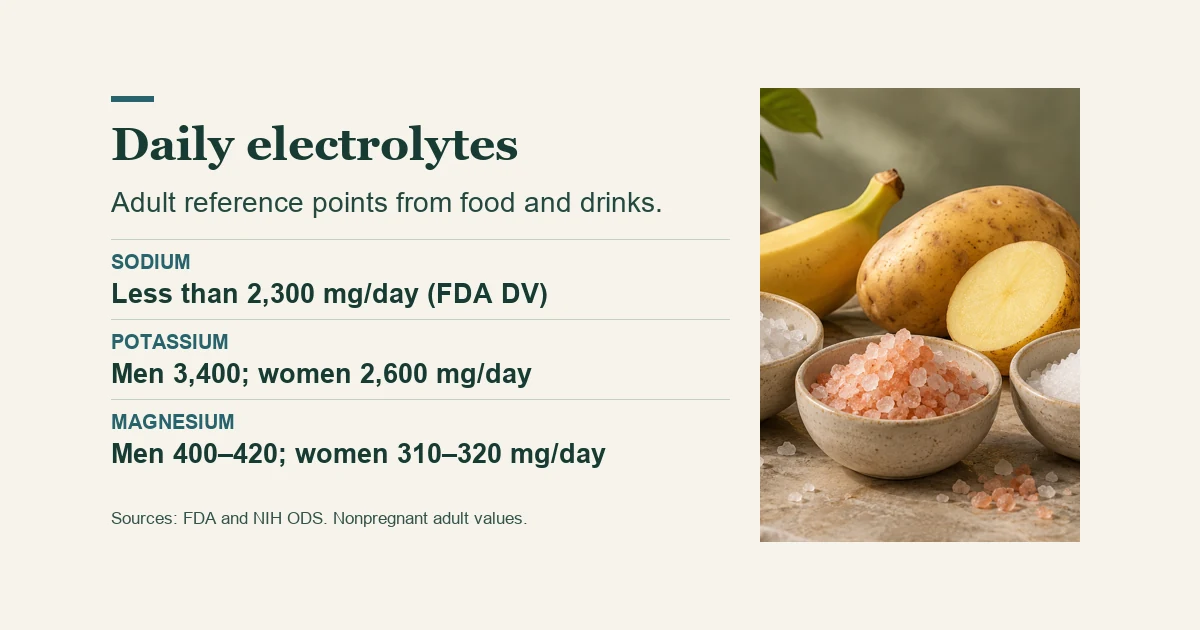
Americans already average about 3,400 mg of sodium a day, well above the recommended limit of 2,300 mg (FDA). One high-sodium hydration packet can add 500 to 1,000 mg. If you have high blood pressure, prefer water for everyday hydration and use electrolytes only when you are actually losing sweat or fluid. Zero-sugar products are not automatically low in sodium; check the label.
Kidney stones
Good hydration is one of the best ways to prevent kidney stones. High sodium intake increases calcium in the urine, which can raise the risk of calcium stones. People prone to stones generally do best with plenty of fluid, moderate sodium and adequate calcium from food. Citrate-containing drinks are sometimes recommended for certain stone types, but follow your doctor’s advice.
Dehydration and acute kidney injury
Severe dehydration, from heat, illness or extreme exercise, can reduce blood flow to the kidneys and cause acute kidney injury, especially in older adults and people taking diuretics, ACE inhibitors, ARBs or NSAIDs. Rehydrating with an oral rehydration solution during illness and avoiding NSAIDs when dehydrated help protect the kidneys. See electrolytes when sick.
Choosing safely
| Your situation | Approach |
|---|---|
| Healthy kidneys, normal blood pressure | Use electrolytes when sweating heavily or sick |
| High blood pressure | Water most days; check sodium; ask your doctor |
| Taking ACE inhibitors, ARBs or spironolactone | Avoid high-potassium products without advice |
| Chronic kidney disease | Use only products approved by your care team |
| On dialysis | Follow fluid and electrolyte limits strictly |
Getting tested
A basic metabolic panel shows blood sodium, potassium and kidney function (creatinine and eGFR), and a urine albumin test checks for early kidney damage. People with diabetes, high blood pressure, heart disease or a family history of kidney disease should have these checked regularly (MedlinePlus).
Dialysis and electrolytes
People on dialysis rely on the treatment to remove excess potassium, sodium, phosphate and fluid. Between sessions, these build up, so dietary limits are usually strict. Electrolyte drinks, coconut water, sports drinks and potassium salt substitutes can be risky. Dialysis care teams provide specific fluid and electrolyte allowances, and renal dietitians can suggest safe drinks for hot days or illness.
Salt substitutes
Many “lite” salts and salt substitutes replace part or all of the sodium chloride with potassium chloride. For healthy people, this can help lower sodium intake and raise potassium, which benefits blood pressure. For people with kidney disease or taking ACE inhibitors, ARBs or potassium-sparing diuretics, the extra potassium can be dangerous (ODS). Ask before switching.
Kidney-friendly daily habits
- Drink to thirst, more in heat, unless you have a fluid limit
- Keep sodium near or below 2,300 mg a day
- Get potassium from food if your kidneys are healthy
- Avoid regular NSAID use without medical advice
- Check blood pressure and blood sugar regularly
- Have kidney tests if you have diabetes, high blood pressure or a family history
Heat, illness and medicines
Hot weather and stomach bugs are when kidney problems related to fluids most often appear. Dehydration lowers blood flow to the kidneys, and some common medicines add to the strain. Many clinicians advise temporarily pausing certain medicines, such as some diuretics, ACE inhibitors, ARBs and SGLT2 inhibitors, during significant vomiting or diarrhea, but this should only be done according to a plan agreed with your care team. Avoid NSAID pain relievers when dehydrated, and use an oral rehydration solution rather than plain water if you are losing a lot of fluid.
If you have kidney disease, ask your nephrologist which drink to use on sick days, since standard products may contain more potassium than you should have.
The bottom line
Electrolyte drinks are not bad for healthy kidneys, and staying hydrated protects them during illness and heat. The concerns are long-term high sodium, which raises blood pressure, and potassium in people with kidney disease or on medicines that raise potassium. If you have CKD, high blood pressure or take those medicines, check with your care team before using electrolyte products regularly.
Frequently asked questions
Are electrolyte drinks safe with kidney disease?
Only with guidance. Many contain potassium and sodium that may need to be limited.
Can too many electrolytes damage kidneys?
Not directly in healthy people, but long-term high sodium raises blood pressure, a major cause of kidney disease.
Is coconut water bad for kidneys?
Not for healthy kidneys. Its high potassium can be risky in kidney disease.
Do electrolytes help kidney stones?
Hydration helps prevent stones. High sodium can make some stones more likely, so plain water is often better.
Should I stop electrolytes before a blood test?
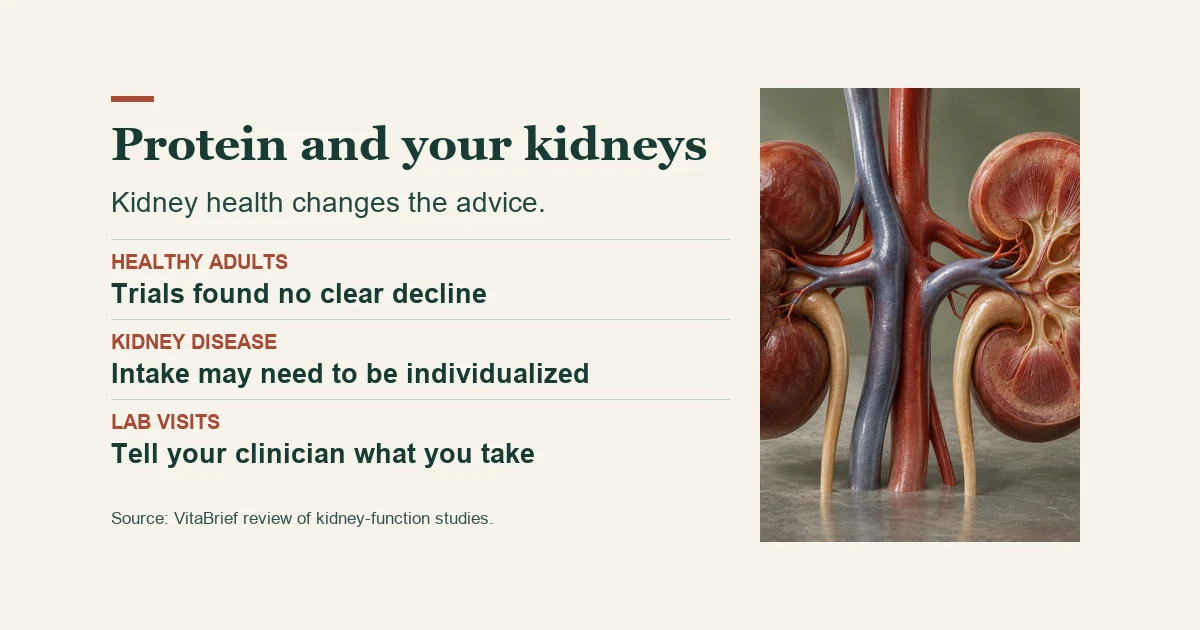
Usually not necessary, but tell your doctor what you take, especially potassium-containing products.
Can electrolyte drinks raise creatinine?
Not directly. Dehydration can raise creatinine, and rehydration often lowers it.
Are zero-sugar electrolytes safer for kidneys?
Not necessarily. Sodium and potassium matter more than sugar for kidney safety.
Is magnesium safe with kidney disease?
Magnesium can build up when kidneys are impaired. Avoid magnesium supplements and laxatives containing magnesium unless your doctor approves.
Are sports drinks OK for people with high blood pressure?
Occasionally during long exercise, yes. For everyday drinking, water is better.
How much water should I drink for healthy kidneys?
There is no single number. Drinking to thirst and keeping urine pale yellow works for most healthy adults; people with kidney disease may have specific limits.
Do electrolytes help after a kidney stone?
Fluid helps prevent new stones. Ask your doctor about sodium and citrate for your stone type.
Sources
- MedlinePlus. Fluid and Electrolyte Balance.
- MedlinePlus. Electrolytes.
- NIH Office of Dietary Supplements. Potassium: Fact Sheet for Health Professionals.
- NIH Office of Dietary Supplements. Magnesium: Fact Sheet for Health Professionals.
- US Food and Drug Administration. Sodium in Your Diet.
- He FJ, et al. Effect of longer term modest salt reduction on blood pressure: Cochrane systematic review and meta-analysis of randomised trials. BMJ. 2013;346:f1325.
Last reviewed November 2026. VitaBrief is educational and is not medical advice. Talk with a doctor, registered dietitian or pharmacist before starting a supplement, especially if you are pregnant, take medication or have kidney disease.
Not medical advice. This guide is for general education. Talk to your doctor or pharmacist before taking a supplement, especially if you are pregnant or breastfeeding, take medication or have a health condition. Medical disclaimer