Supplement basics
Fish oil side effects and safety
Fishy burps and loose stools are common and harmless. Atrial fibrillation, bleeding with blood thinners, and vitamin A in cod liver oil are the risks worth knowing.
VitaBrief editorial · Last reviewed November 2026 · Sources listed below
Reader-supported. This page may contain affiliate links. If you buy through one, we may earn a commission at no extra cost to you. It never changes what we write. Affiliate disclosure
Fish Oil Side Effects: the short answer
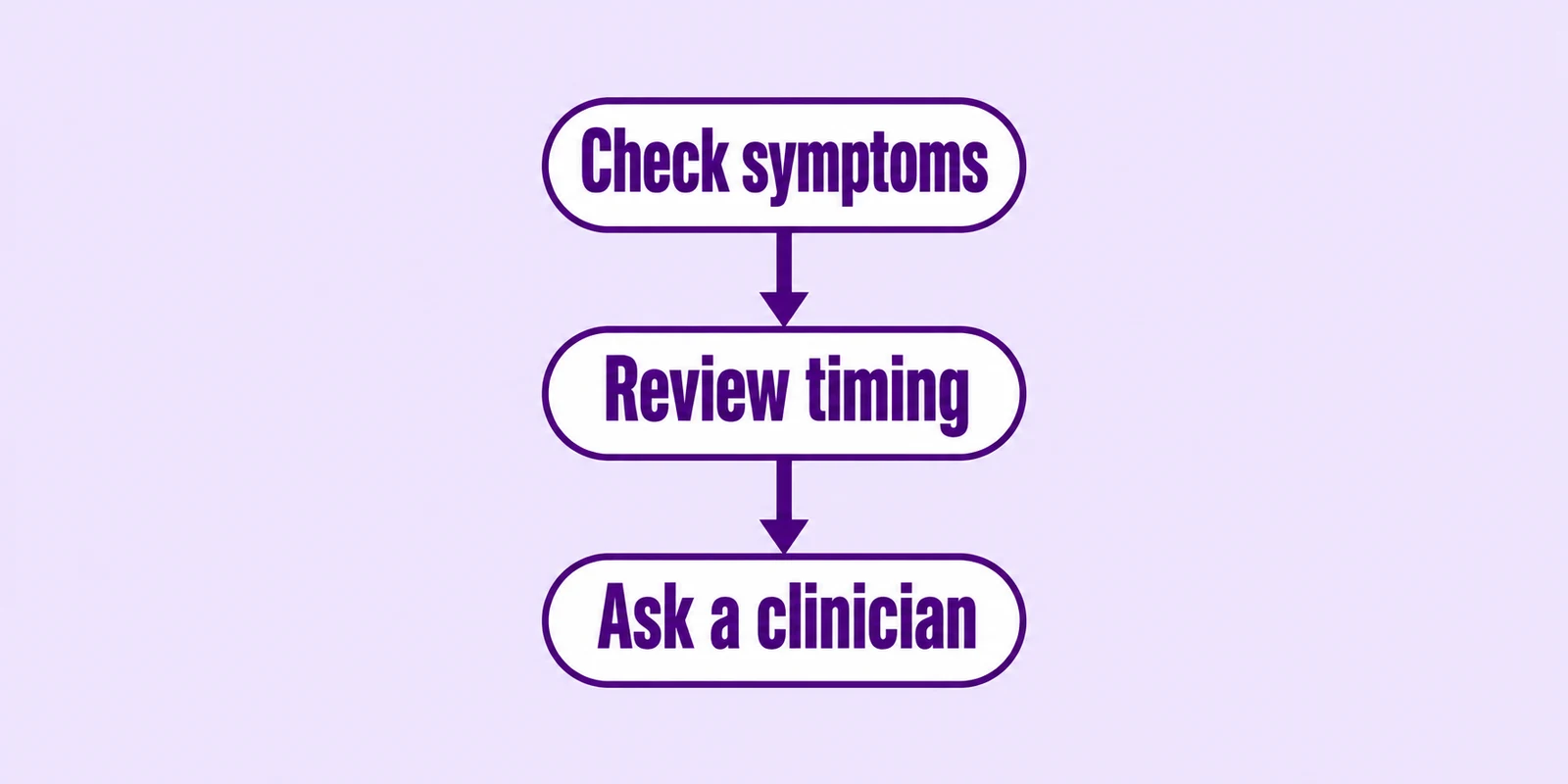
Common side effects are digestive and mild: fishy burps, heartburn, loose stools. Omega-3 supplements raise atrial fibrillation risk, especially above 1 g/day. Overall bleeding risk is not increased, but high-dose EPA adds a small risk; discuss with your clinician if you take blood thinners. Avoid cod liver oil in pregnancy because of vitamin A; avoid krill with shellfish allergy.
Google Autocomplete shows people asking about fish oil side effects for women and men, on the liver, kidneys and skin, whether fish oil “thins your blood,” and whether it is safe with blood thinners such as Eliquis. Fish oil is one of the more thoroughly studied supplements, with safety data from trials involving tens of thousands of people. Most side effects are mild and digestive. Two less obvious risks, atrial fibrillation and bleeding, matter more at higher doses and for people on certain medicines. This guide covers them using large trials indexed in PubMed, the NIH Office of Dietary Supplements (ODS), NCCIH and MedlinePlus.
Common side effects
| Side effect | How common | Tips |
|---|---|---|
| Fishy aftertaste or burps | Common | Take with meals; try freezing capsules or enteric-coated versions |
| Heartburn, indigestion | Common | Take with food; split the dose |
| Nausea | Occasional | Take with a larger meal |
| Loose stools or diarrhea | Occasional, dose-related | Lower the dose; build up slowly |
| Bad breath, sweat odor | Occasional | Fresher, tested products may help |
| Rash | Rare | Stop; check for fish or shellfish allergy |
Strong fishy taste or smell can also be a sign that oil has oxidized. Studies have found many products exceed recommended oxidation limits (Albert 2015). Replace capsules that smell rancid.
Atrial fibrillation
Atrial fibrillation (AFib) is an irregular, often rapid heart rhythm that raises the risk of stroke. A meta-analysis of seven large cardiovascular trials with 81,210 people found that omega-3 supplements increased AFib risk by about 25 percent overall. Risk appeared greater in trials using more than 1 gram a day (Gencer 2021). In the REDUCE-IT trial of 4 grams a day of prescription EPA, AFib hospitalization occurred in 3.1 percent vs. 2.1 percent with placebo (Bhatt 2019).
The absolute increase is small for most people at typical doses, but it is real. If you have AFib, a history of palpitations or other heart rhythm problems, talk with your clinician before taking fish oil, and report new palpitations, dizziness or shortness of breath.
Bleeding and blood thinners
“Is fish oil a blood thinner?” Omega-3s make platelets slightly less sticky. A 2024 meta-analysis of randomized trials found that omega-3s overall were not associated with more bleeding. High-dose purified EPA increased the relative risk of bleeding by about 50 percent, but the absolute increase was small, about 0.6 percent (Javaid 2024).
| Medicine | Concern with fish oil | What to do |
|---|---|---|
| Warfarin | May slightly increase effect at high doses | Tell your clinician; INR may be monitored |
| Apixaban (Eliquis), rivaroxaban and similar | Theoretical added bleeding risk | Discuss before starting, especially above 1 g/day |
| Clopidogrel, aspirin | Additive antiplatelet effect | Usually acceptable at modest doses; ask your clinician |
| NSAIDs (ibuprofen, naproxen) | Slight added bleeding risk | Avoid regular combined high doses without advice |
| Blood pressure medicines | Small added lowering | Monitor if prone to dizziness |
Tell your surgeon or dentist about fish oil before procedures. Some recommend pausing high doses about a week beforehand, though trials have not shown clear surgical bleeding problems.
Liver and kidneys
Fish oil is not known to harm the liver at normal doses. Prescription omega-3s can raise liver enzymes in some people with liver disease, so clinicians may monitor them, according to MedlinePlus. There is no evidence that fish oil damages healthy kidneys. People with kidney or liver disease should check with their care team before taking high doses.
Blood sugar and LDL
High doses of fish oil may slightly raise fasting blood sugar in some people with diabetes, though large trials such as ASCEND, in people with diabetes, did not report blood sugar problems as a major concern (ASCEND 2018). DHA-containing products at high doses can raise LDL cholesterol in people with very high triglycerides (Skulas-Ray 2019). See fish oil and cholesterol.
Fish and shellfish allergies
Highly refined fish oil usually contains very little fish protein, the part that triggers allergies, and some people with fish allergy tolerate it. However, reactions are possible. Krill oil comes from crustaceans and should be avoided with shellfish allergy. Algae oil is the safest option for people with seafood allergies. Ask an allergist if unsure. See fish oil vs. krill oil vs. algae oil.
Cod liver oil and vitamin A
Cod liver oil contains vitamins A and D. The adult upper limit for preformed vitamin A is 3,000 mcg (10,000 IU) a day. Too much vitamin A can cause liver damage, bone loss and birth defects. Avoid cod liver oil in pregnancy, and add up vitamin A from all supplements if you take it. See omega-3 during pregnancy.
Mercury and contaminants
Purified fish oil generally contains very little mercury, because mercury binds to fish protein and refining removes other pollutants. Contaminant risk is lower than for some large fish. Choose third-party tested products to reduce risk of contaminants and rancidity. See how to choose a fish oil supplement.
Who should be careful
- People with atrial fibrillation or heart rhythm problems.
- People taking anticoagulants or antiplatelet drugs, or with bleeding disorders.
- Anyone scheduled for surgery.
- People with fish or shellfish allergies.
- Pregnant people considering cod liver oil.
- People with liver disease taking prescription omega-3s.
How much is too much?
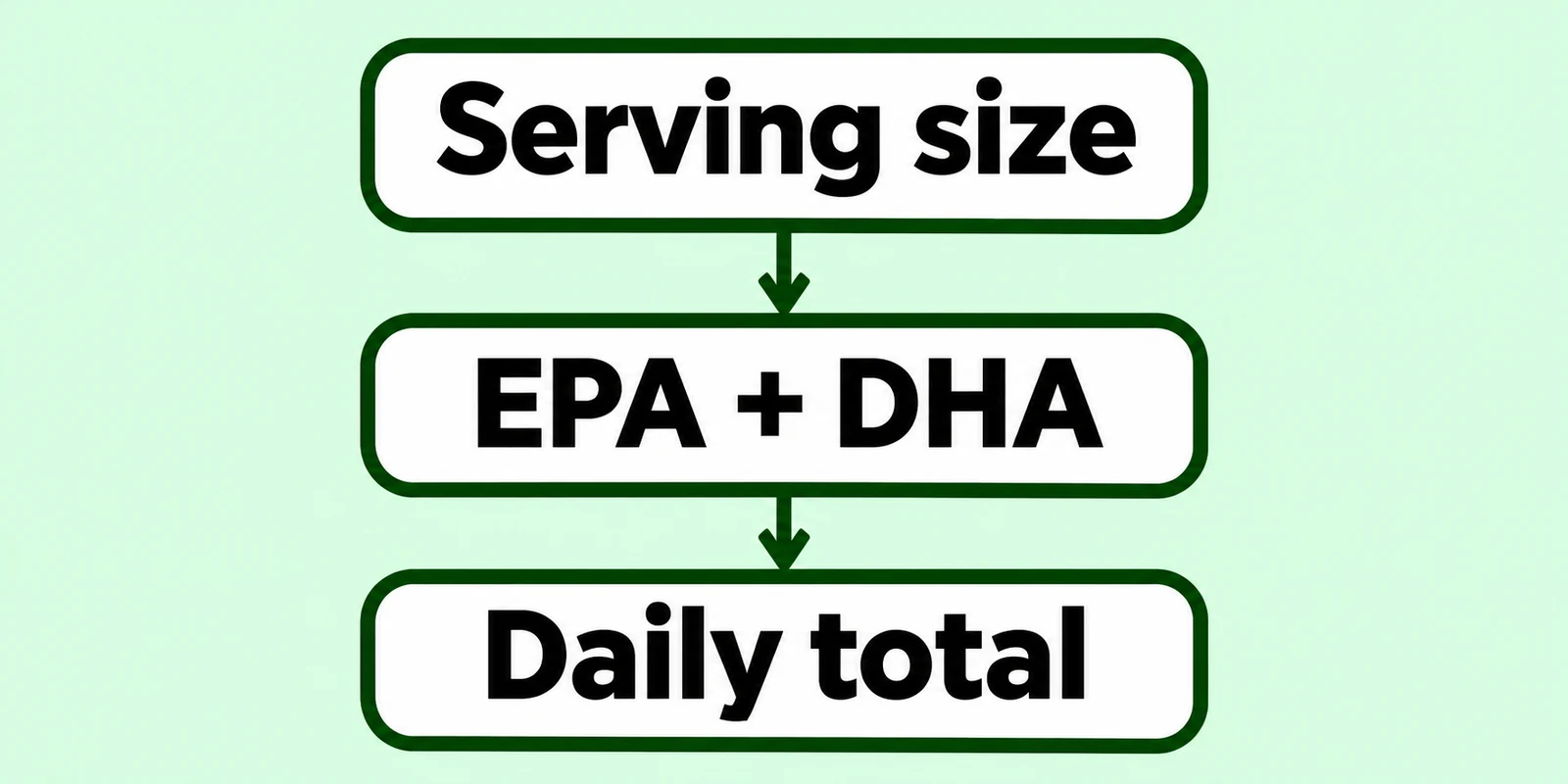
No upper limit has been set, but the FDA considers up to 5 grams a day of EPA plus DHA from supplements safe, according to the ODS. Most side effects, including AFib risk, increase with dose. For most people, 250 to 1,000 mg a day of EPA plus DHA is plenty unless a clinician advises more. See how much omega-3 per day.
Other supplement combinations
Fish oil is often taken alongside other supplements. Some combinations deserve a second look because they can add to bleeding risk, including high doses of vitamin E, ginkgo, garlic extracts, turmeric or curcumin concentrates, and nattokinase. Taken together with prescription blood thinners, the effects may add up. Vitamin D, magnesium, calcium, B vitamins and most multivitamins have no known problematic interactions with fish oil. If you take several supplements, bring the bottles to your next appointment so your clinician or pharmacist can review them together, as the NCCIH advises.
Older adults
Older adults are more likely to take several medicines and to have conditions such as atrial fibrillation, so fish oil deserves a closer look in this group. In the VITAL trial of adults 50 and older, 1 gram a day was generally well tolerated over five years (Manson 2019), but higher doses raise rhythm and bleeding concerns. A pharmacist review of all medicines and supplements is a good idea.
The bottom line
- Common side effects are digestive and mild: fishy burps, heartburn, loose stools.
- Omega-3 supplements raise atrial fibrillation risk, especially above 1 g/day.
- Overall bleeding risk is not increased, but high-dose EPA adds a small risk; discuss with your clinician if you take blood thinners.
- Avoid cod liver oil in pregnancy because of vitamin A; avoid krill with shellfish allergy.
- Choose tested, fresh products and stay within clinician-advised doses.
Frequently asked questions
Can I take fish oil with Eliquis?
Ask your prescriber. Modest doses are often allowed, but high doses may add to bleeding risk.
Does fish oil make you poop?
It can cause loose stools, especially at higher doses. Lowering the dose usually helps.
Are fish oil side effects different for women?
Side effects are similar. In pregnancy, avoid cod liver oil and high-mercury fish.
Can fish oil cause acne or skin problems?
This is uncommon. Rashes may signal an allergy; stop and check with a clinician.
Is fish oil bad for the liver?
Not at normal doses in healthy people. Prescription doses may need liver enzyme monitoring in liver disease.
Should I stop fish oil before surgery?
Follow your surgeon’s instructions; some ask you to pause about a week before.
Can fish oil interact with vitamin E or ginkgo?
Both can affect bleeding. Combined with high-dose fish oil and blood thinners, the effect may add up. Ask your pharmacist.
Sources
- Gencer B, et al. Effect of long-term marine omega-3 fatty acids supplementation on the risk of atrial fibrillation. Circulation. 2021;144(25):1981-1990.
- Javaid M, et al. Bleeding risk in patients receiving omega-3 polyunsaturated fatty acids. J Am Heart Assoc. 2024;13(10):e032390.
- Bhatt DL, et al. Cardiovascular risk reduction with icosapent ethyl for hypertriglyceridemia. N Engl J Med. 2019;380(1):11-22.
- ASCEND Study Collaborative Group. Effects of n-3 fatty acid supplements in diabetes mellitus. N Engl J Med. 2018;379(16):1540-1550.
- Skulas-Ray AC, et al. Omega-3 fatty acids for the management of hypertriglyceridemia. Circulation. 2019;140(12):e673-e691.
- Albert BB, et al. Fish oil supplements in New Zealand are highly oxidised and do not meet label content of n-3 PUFA. Sci Rep. 2015;5:7928.
- NIH Office of Dietary Supplements. Omega-3 Fatty Acids: Fact Sheet for Health Professionals.
- NCCIH. Omega-3 supplements: what you need to know.
- MedlinePlus. Omega-3 fatty acids; Warfarin.
Last reviewed November 2026. VitaBrief is educational and is not medical advice. Talk with a doctor, registered dietitian or pharmacist before starting a supplement, especially if you are pregnant, take medication or have kidney disease.
Not medical advice. This guide is for general education. Talk to your doctor or pharmacist before taking a supplement, especially if you are pregnant or breastfeeding, take medication or have a health condition. Medical disclaimer