Ingredient guides
Multivitamins: what they are, who may benefit and what the evidence shows
This multivitamins guide covers what counts as a multivitamin, how many Americans take one, what the big trials found for heart disease, cancer and longevity, who may gain from one, and why more is not better.
VitaBrief editorial · Last reviewed November 2026 · Sources listed below
Reader-supported. This page may contain affiliate links. If you buy through one, we may earn a commission at no extra cost to you. It never changes what we write. Affiliate disclosure
Multivitamins are the most widely used dietary supplement in the United States. The research tells a more modest story. In generally healthy, well-nourished adults, large randomized trials have not shown that a daily multivitamin prevents heart disease, cancer or early death. At the same time, a multivitamin can be a sensible way to fill specific gaps for some people. This guide explains what a multivitamin is, what the evidence shows, who may benefit and how to use one safely, drawing on the NIH Office of Dietary Supplements (ODS), the US Preventive Services Task Force (USPSTF) and published trials.
Multivitamins guide: the short answer
Multivitamins guide: an evidence-based guide to multivitamins: what they contain, US use trends, results from PHS II, COSMOS and the 2022 USPSTF statement, who may benefit, upper limits and safety, and how to choose one.
What a multivitamin is
There is no standard scientific or legal definition of a multivitamin. The ODS uses the term multivitamin/mineral supplement (MVMS) for products that contain several vitamins, often with minerals, and notes that the type and amount of nutrients vary widely from product to product (ODS MVMS). The most common products are basic once-a-day formulas that supply many vitamins and minerals at amounts near the Daily Value (DV).
A typical formula includes vitamins A, C, D, E and K, the B vitamins (such as thiamin, riboflavin, niacin, B6, folate and B12), and minerals such as zinc, selenium, copper and sometimes iron, calcium and magnesium. For a fuller breakdown, see what is in a multivitamin.
In the US, multivitamins are sold as dietary supplements. The FDA does not approve them for safety or effectiveness before they are sold, and manufacturers are responsible for what goes into the bottle. Analyses from the federal Dietary Supplement Ingredient Database have found that measured amounts of some nutrients can differ from what the label states (DSID 2018).
How many Americans take one
National survey data show that about half of US adults use at least one dietary supplement, and multivitamins are the single most common type. An analysis of national survey data from 1999 to 2012 found that overall supplement use stayed fairly stable, while multivitamin use declined somewhat over that period, though it remained the most popular product (Kantor 2016).
What the evidence shows
The Physicians’ Health Study II (PHS II) randomized more than 14,000 male US physicians aged 50 and older to a daily multivitamin or placebo for about a decade. Men taking the multivitamin had a modest reduction in total cancer, a finding that was statistically significant but small and that the authors said needed confirmation (Gaziano 2012). The same trial found no effect on major cardiovascular events (Sesso 2012) and no benefit for cognitive decline (Grodstein 2013).
The COSMOS trial tested a daily multivitamin in over 20,000 older US women and men. Over a few years of follow-up, the multivitamin did not significantly reduce total invasive cancer or cardiovascular disease (Sesso 2022). A large 2024 analysis of three US cohorts with long follow-up found that daily multivitamin use was not associated with a lower risk of death (Loftfield 2024).
Reviewing this body of evidence, the USPSTF concluded in 2022 that there is insufficient evidence to assess the balance of benefits and harms of multivitamins for preventing cardiovascular disease or cancer in community-dwelling, nonpregnant adults. It recommended against beta-carotene and vitamin E supplements for this purpose (USPSTF 2022). For a deeper look at the trials, including newer cognition studies, see do multivitamins work.
| Study | Who was studied | Main finding |
|---|---|---|
| PHS II cancer (2012) | Male physicians aged 50+ | Modest reduction in total cancer; needs confirmation |
| PHS II cardiovascular (2012) | Male physicians aged 50+ | No effect on major cardiovascular events |
| PHS II cognition (2013) | Older male physicians | No cognitive benefit |
| COSMOS (2022) | Older US women and men | No significant effect on total cancer or cardiovascular disease |
| Loftfield cohorts (2024) | Large US cohorts of adults | Daily use not linked to lower mortality |
| USPSTF (2022) | Evidence review, nonpregnant adults | Insufficient evidence for multivitamins; recommends against beta-carotene and vitamin E |
Who may benefit
The lack of disease prevention does not mean multivitamins are useless for everyone. Survey analyses suggest that many Americans fall short of recommended intakes for some nutrients from food alone, and that supplement use helps close part of that gap (Blumberg 2017). Groups that may benefit include:
- People who could become pregnant. The USPSTF recommends a daily supplement with 400 to 800 mcg of folic acid to help prevent neural tube defects (USPSTF 2023). During pregnancy, a prenatal vitamin is usually preferred; see multivitamin vs prenatal vitamin.
- Adults over 50. Absorption of vitamin B12 from food can decline with age, and the ODS advises that older adults get much of their B12 from fortified foods or supplements (ODS B12). See multivitamins for older adults.
- People with restrictive diets, such as vegans, who may need B12.
- Some people at risk of low iron. Menstruating women and some others may benefit from iron, though iron is not appropriate for everyone (ODS Iron). See multivitamins with iron and multivitamins for women.
If you only need one or two nutrients, a single-nutrient product may make more sense. See multivitamin vs individual vitamins, and our guides to vitamin D and vitamin B12.
Safety and upper limits
A standard multivitamin taken as directed is generally considered low risk for healthy adults, according to the ODS consumer fact sheet. Stacking a multivitamin with fortified foods and other supplements can push intake above the Tolerable Upper Intake Level (UL). More is not better.
- Vitamin A (preformed): high intakes over time can harm the liver and, in pregnancy, can cause birth defects. Pregnant people should avoid high-dose preformed vitamin A.
- Beta-carotene: in trials of smokers, high-dose beta-carotene supplements increased lung cancer risk (ATBC 2019). Smokers and former smokers should talk to a doctor before taking products with high-dose beta-carotene.
- Iron: men and postmenopausal women usually do not need extra iron, and people with iron overload conditions such as hemochromatosis should avoid it. Accidental iron overdose is a leading danger for young children (MedlinePlus), so keep supplements locked away (iron packaging study 2005).
- Folic acid: the UL for folic acid from supplements and fortified foods is 1,000 mcg a day for adults (ODS Folate).
- Vitamin K: can interfere with warfarin, so people on that drug should keep vitamin K intake consistent and tell their doctor about any supplement (ODS Vitamin K).
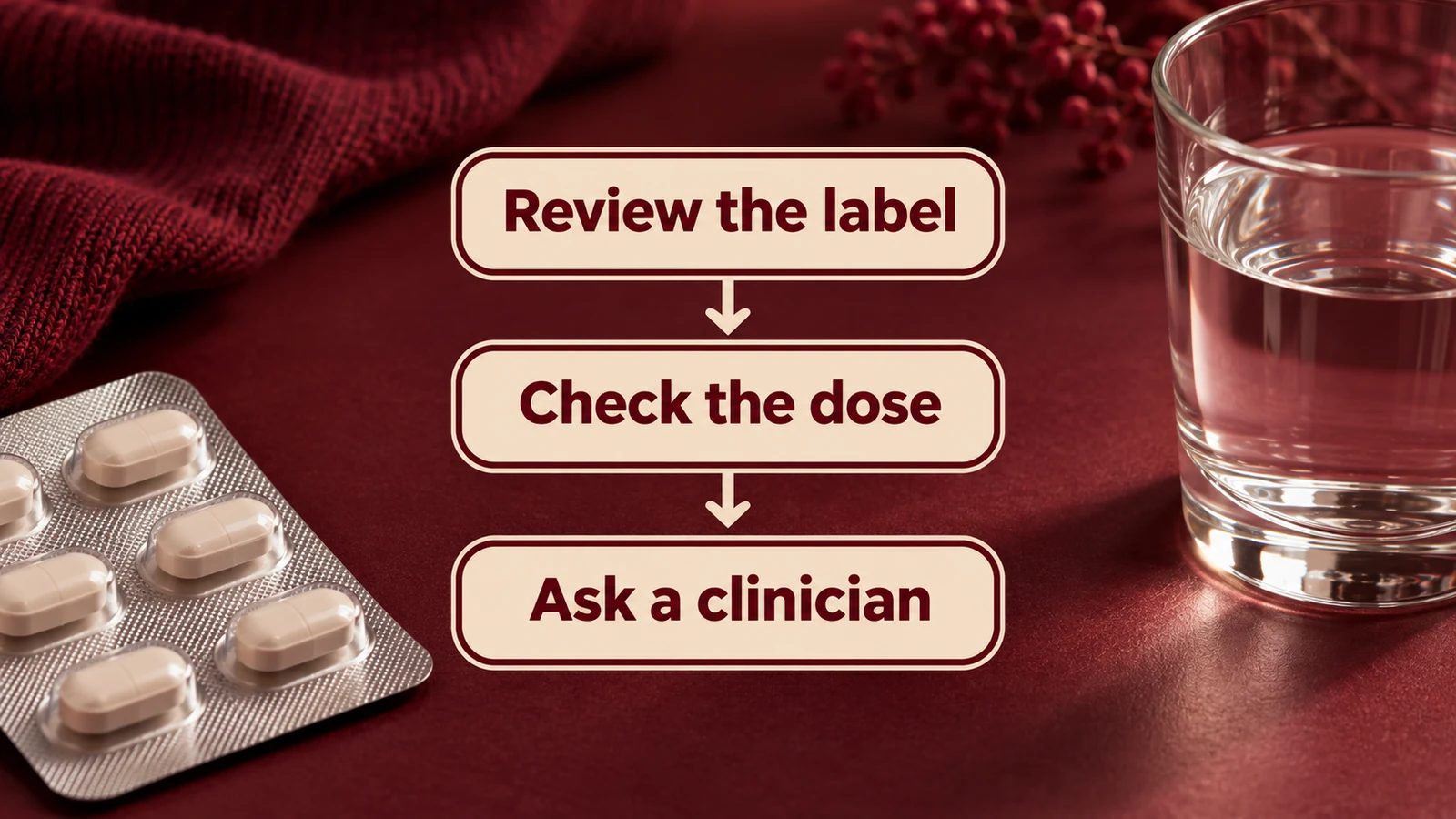
Talk to a doctor or pharmacist before starting a multivitamin if you are pregnant or breastfeeding, take prescription medicines (especially levothyroxine, blood thinners or some antibiotics), have kidney disease, or have been told you have iron overload. Minerals in multivitamins can reduce absorption of some drugs; see multivitamin interactions and multivitamin side effects.
How to choose and use one
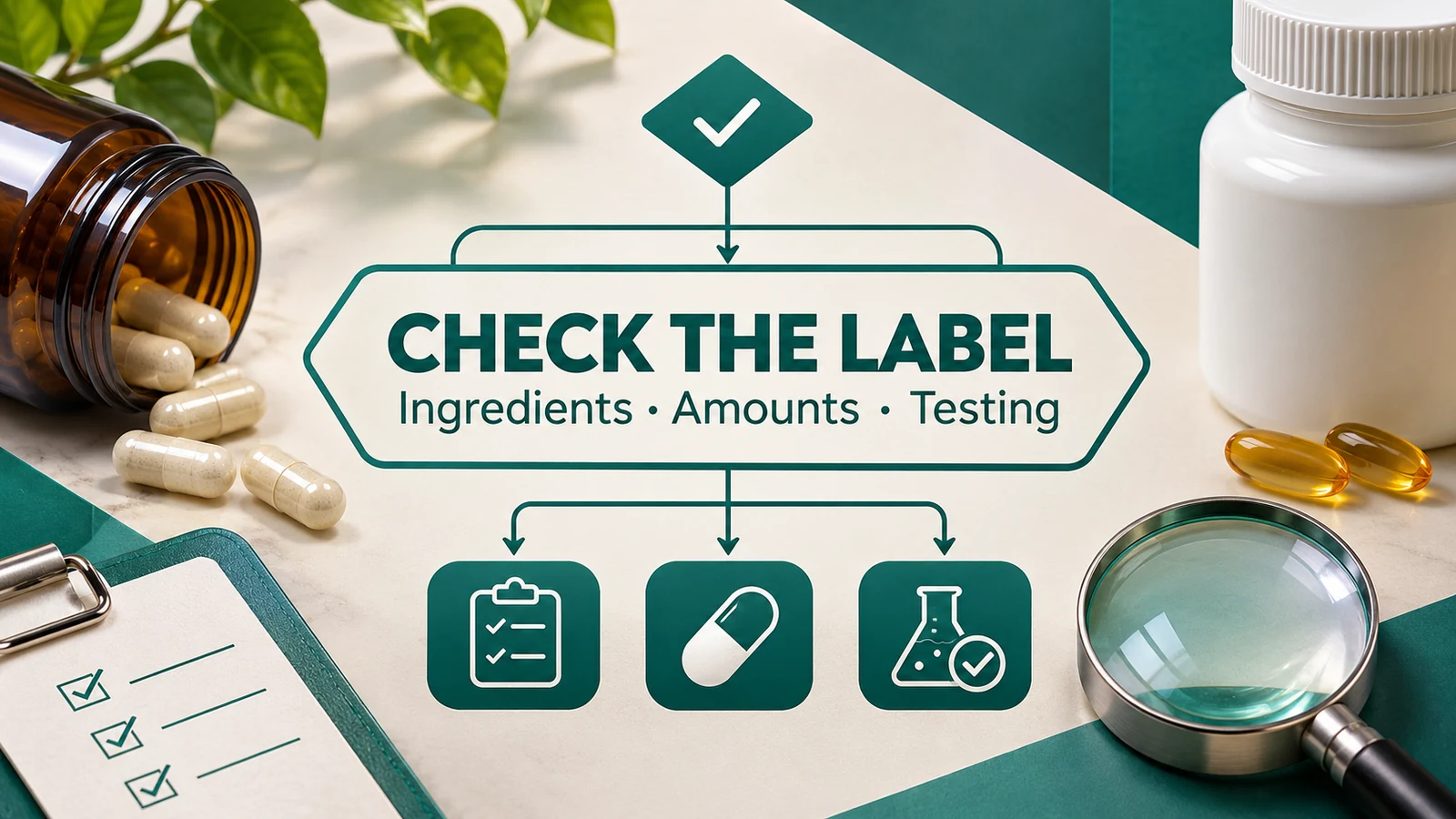
If you decide a multivitamin makes sense, a basic formula that provides nutrients near 100 percent of the DV is usually enough. Look for a product suited to your age and sex, check whether it contains iron, and avoid very high doses well above the DV unless a clinician has advised them. Our guide on how to choose a multivitamin walks through the label step by step. If you are thinking of using a health spending account, check with your plan administrator.
Most people take a multivitamin with a meal, which helps absorb fat-soluble vitamins and reduces stomach upset. A multivitamin is not a substitute for a varied diet (MedlinePlus). Timing details, including spacing from medicines, are in when to take a multivitamin.
Frequently asked questions
Should everyone take a multivitamin?
No. For healthy, well-nourished adults, trials have not shown that a multivitamin prevents heart disease, cancer or early death. It can help people with specific gaps, such as those planning pregnancy, older adults low in B12 or people on restrictive diets.
Are multivitamins FDA-approved?
No. They are sold as dietary supplements, and the FDA does not approve them for safety or effectiveness before sale.
Can a multivitamin be harmful?
A standard product taken as directed is generally low risk. Risks come from stacking supplements above upper limits, from iron in people who do not need it, and from high-dose beta-carotene in smokers.
Do I need a multivitamin with iron?
It depends. Menstruating women and some others may benefit, while most men and postmenopausal women usually do not. See our guide to multivitamins with iron.
Sources
- NIH Office of Dietary Supplements. Multivitamin/mineral supplements: fact sheet for health professionals.
- NIH Office of Dietary Supplements. Multivitamin/mineral supplements: fact sheet for consumers.
- NIH Office of Dietary Supplements. Vitamin B12.
- NIH Office of Dietary Supplements. Iron.
- NIH Office of Dietary Supplements. Folate.
- NIH Office of Dietary Supplements. Vitamin K.
- FDA. Dietary supplements.
- MedlinePlus. Vitamins.
- MedlinePlus. Iron overdose.
- US Preventive Services Task Force. Vitamin, mineral, and multivitamin supplementation to prevent cardiovascular disease and cancer. JAMA. 2022.
- Gaziano JM, et al. Multivitamins in the prevention of cancer in men: the Physicians’ Health Study II. JAMA. 2012.
- Sesso HD, et al. Multivitamins in the prevention of cardiovascular disease in men: the Physicians’ Health Study II. JAMA. 2012.
- Grodstein F, et al. Long-term multivitamin supplementation and cognitive function in men. Ann Intern Med. 2013.
- Sesso HD, et al. Multivitamins in the prevention of cancer and cardiovascular disease: the COSMOS trial. Am J Clin Nutr. 2022.
- Loftfield E, et al. Multivitamin use and mortality risk in 3 prospective US cohorts. JAMA Netw Open. 2024.
- Kantor ED, et al. Trends in dietary supplement use among US adults from 1999-2012. JAMA. 2016.
- Blumberg JB, et al. Contribution of dietary supplements to nutritional adequacy in various adult age groups. Nutrients. 2017.
- Dietary Supplement Ingredient Database (DSID): analytically based estimates of ingredient amounts. J Nutr. 2018.
- US Preventive Services Task Force. Folic acid supplementation to prevent neural tube defects. JAMA. 2023.
- Beta-carotene supplementation and lung cancer incidence in the ATBC study. Nicotine Tob Res. 2019.
- Unit-dose packaging of iron supplements and reduction of iron poisoning in young children. Arch Pediatr Adolesc Med. 2005.
Last reviewed November 2026. VitaBrief is educational and is not medical advice. Talk with a doctor, registered dietitian or pharmacist before starting a supplement, especially if you are pregnant, take medication or have kidney disease.
Not medical advice. This guide is for general education. Talk to your doctor or pharmacist before taking a supplement, especially if you are pregnant or breastfeeding, take medication or have a health condition. Medical disclaimer