
Ingredient guides
Tongkat ali: benefits, side effects and what the research shows
Tongkat ali has some of the better evidence among testosterone booster herbs, but the effects are modest and concentrated in men with low levels.
VitaBrief editorial · Last reviewed November 2026 · Sources listed below
Reader-supported. This page may contain affiliate links. If you buy through one, we may earn a commission at no extra cost to you. It never changes what we write. Affiliate disclosure

From VitaBrief
Keep reading.
Next up: Shilajit: evidence, claims and contamination risk.
Tongkat ali is a Southeast Asian herb that has become a staple of testosterone booster products, often sold alone or paired with fadogia agrestis. Unlike many booster ingredients, it has been tested in a number of human trials, and a 2022 meta-analysis pooled them. The result is more encouraging than for most herbs, but it is not a substitute for medical care: the benefit appears modest and is clearest in men whose testosterone is already low.
This guide explains what tongkat ali is, what the pooled research reports, which claims remain unproven, why the popular fadogia combination is a concern, and what to know about safety and product quality. It is general information. Symptoms of low testosterone deserve a proper evaluation, which our testosterone guide describes.
Tongkat ali at a glance
| Question | Short answer |
|---|---|
| What is it? | Root extract of Eurycoma longifolia, a shrub native to Southeast Asia |
| Testosterone evidence | A meta-analysis found improved total testosterone in men, more clearly in men with low levels |
| Stress, energy, libido claims | Some small studies; not well established |
| With fadogia agrestis | Fadogia has essentially no human safety data |
| Main concerns | Limited long-term safety data, variable product quality, possible hidden ingredients |
| In women | Very little research; avoid in pregnancy and breastfeeding |
What tongkat ali is
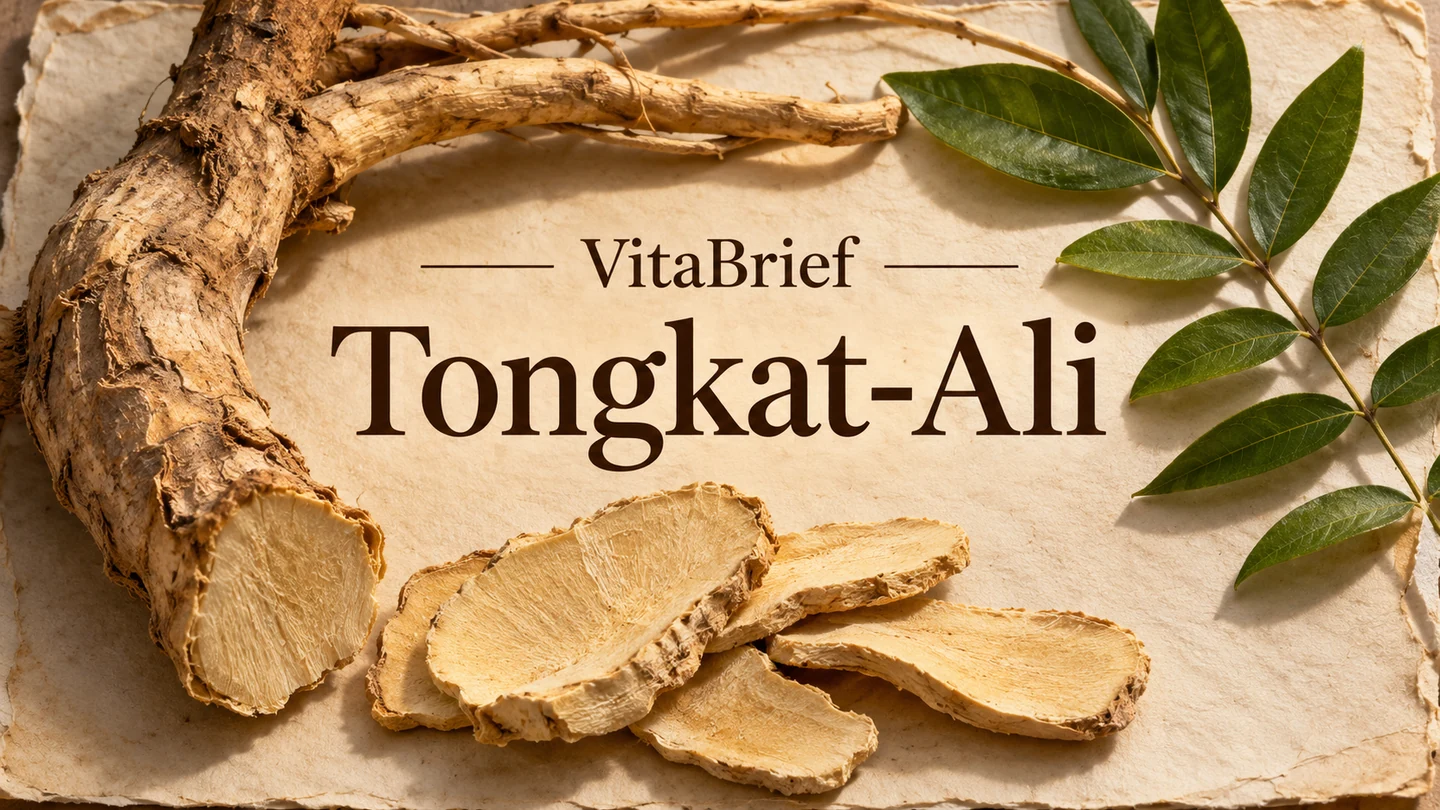
Tongkat ali is the common name for Eurycoma longifolia, a slender shrub that grows in the rainforests of Malaysia, Indonesia and neighboring countries. It is also called Malaysian ginseng or longjack, although it is not related to true ginseng. Supplements usually use an extract of the root, which has been used in traditional medicine in the region for fever, fatigue and male sexual health.
Products vary widely. Some contain a standardized water extract, while others contain powdered root or blends of unknown strength. Labels often describe a ratio such as “200:1,” which refers to how concentrated the extract is, not to how well it works. Because extracts differ, results from one studied product cannot be assumed to apply to another.
What the 2022 meta-analysis found
The best summary of the evidence is a systematic review and meta-analysis that combined randomized and other clinical studies of tongkat ali in men (Leisegang 2022). The authors concluded that tongkat ali improved serum total testosterone in men overall. The effect appeared stronger in men with low testosterone or hypogonadism than in men with normal levels.
Several caveats apply when reading that conclusion:
- The studies were small and varied. They used different extracts, doses, durations and populations, which makes a single pooled number less certain.
- The benefit is mostly in men with low levels. In men with normal testosterone, any change was less clear. A supplement is unlikely to push healthy levels much higher.
- Quality concerns remain. Reviews in this area note risks of bias, and some trials tested branded extracts with commercial backing.
- Lab values are not the whole story. A rise in total testosterone does not by itself prove better energy, muscle or sexual function.
In short, tongkat ali has among the better evidence of the herbs sold for testosterone, but “better than most” is a low bar. A review of booster products found most ingredients and claims are not supported by the literature (Clemesha 2020). Men with symptoms and confirmed low levels need a clinical diagnosis first: guidelines define hypogonadism as symptoms plus consistently low morning blood tests (Endocrine Society 2018; AUA 2018). Treating a diagnosed condition with a supplement could delay finding its cause.
Stress, libido and other claims
Tongkat ali is also marketed for stress, mood, energy, libido, muscle building and athletic performance. A handful of small studies have looked at measures such as perceived stress, mood or sexual function, and some reported improvements. These studies are generally short, small and often tied to a single commercial extract, so the findings are not well established.
Claims that tongkat ali builds significant muscle or replaces training have little support. It is also sometimes promoted as a “natural alternative” to prescription treatment; it is not. If you are comparing options, our page on testosterone boosters vs. TRT explains the difference between a supplement and a medical therapy.
It also helps to keep expectations realistic. Lifestyle factors have well-documented effects on testosterone: short sleep can lower it in young men (Leproult 2011), and weight loss can raise it in men with obesity (Corona 2013). Those changes are likely to matter more than any herb. Our guide on how to increase testosterone naturally covers them step by step.
Tongkat ali with fadogia agrestis
Fadogia agrestis is a West African shrub that became popular through podcasts and social media, and it is often stacked with tongkat ali. The idea that it raises testosterone comes from animal studies. There is essentially no published human data on whether fadogia works or whether it is safe.
That matters because some animal research has raised concerns about effects on the testes. Without human trials, nobody can say what dose, if any, is safe, or what happens with long-term use. Combining it with tongkat ali does not make it better studied. Given the uncertainty, the cautious choice is to avoid fadogia, particularly if you are planning to have children. For more on protecting fertility, see testosterone and fertility.
Side effects and product quality
In the short trials that have been published, tongkat ali has generally been reported as well tolerated, but those studies were not large or long enough to detect uncommon or long-term harms. People report effects such as trouble sleeping, restlessness, irritability or digestive upset. Because it may influence hormones, people with hormone-sensitive conditions should be cautious.
Product quality is a larger practical concern. Supplements do not need FDA approval before sale, and the manufacturer is responsible for safety and labeling (FDA). The FDA has repeatedly warned that products sold for sexual or hormonal enhancement can contain hidden prescription drug ingredients. Herbal products from some regions have also been found to contain heavy metals (Saper 2008). Independent third-party testing reduces, but does not eliminate, these risks. Our page on testosterone booster side effects covers warning signs.
Talk with a doctor before using tongkat ali if you:
- Have or have had prostate cancer, breast cancer or another hormone-sensitive condition
- Have heart disease, a history of blood clots, sleep apnea or a high red blood cell count
- Have kidney or liver disease, diabetes or high blood pressure
- Take prescription medicines, especially for blood pressure, blood sugar or immune conditions
- Are trying to conceive, or have symptoms that could signal a medical problem
Tongkat ali and women
Tongkat ali is sometimes marketed to women for libido, energy or stress. Very little research has been done in women, and the meta-analysis above focused on men. There is no good evidence that it safely raises testosterone in women or treats low sexual desire.
It should be avoided during pregnancy and breastfeeding because safety has not been established. Women considering any testosterone-related product should talk with a clinician. The international consensus on testosterone for women supports prescription therapy only for a specific diagnosis in postmenopausal women (Davis 2019). Our guide to testosterone for women explains more.
Frequently asked questions
Does tongkat ali really increase testosterone?
A 2022 meta-analysis found it improved total testosterone in men, with clearer effects in men who had low levels. The studies were small and varied, so the effect is best described as modest and uncertain.
How long does tongkat ali take to work?
Studies have generally lasted weeks to a few months. Do not expect quick changes, and do not use it in place of testing if you have symptoms.
Is it safe to take tongkat ali with fadogia agrestis?
Nobody knows. Fadogia has essentially no human safety data, and animal research has raised concerns about the testes. The cautious choice is to avoid it.
What are the side effects of tongkat ali?
Short trials report it as generally well tolerated. People describe sleep trouble, restlessness or stomach upset. Long-term safety is unknown, and product contamination is a real concern.
Can women take tongkat ali?
It has barely been studied in women and should be avoided in pregnancy and breastfeeding. Talk with a clinician first.
Sources
- Leisegang et al. Eurycoma longifolia (tongkat ali) improves serum total testosterone in men: a systematic review and meta-analysis of clinical trials. Medicina (Kaunas). 2022.
- Clemesha et al. “Testosterone boosting” supplements composition and claims are not supported by the academic literature. World J Mens Health. 2020.
- Bhasin et al. Testosterone therapy in men with hypogonadism: an Endocrine Society clinical practice guideline. J Clin Endocrinol Metab. 2018.
- Mulhall et al. Evaluation and management of testosterone deficiency: AUA guideline. J Urol. 2018.
- Saper et al. Lead, mercury, and arsenic in US- and Indian-manufactured Ayurvedic medicines sold via the internet. JAMA. 2008.
- Davis et al. Global consensus position statement on the use of testosterone therapy for women. J Clin Endocrinol Metab. 2019.
- Leproult R, Van Cauter E. Effect of 1 week of sleep restriction on testosterone levels in young healthy men. JAMA. 2011.
- Corona et al. Body weight loss reverts obesity-associated hypogonadotropic hypogonadism. Eur J Endocrinol. 2013.
- U.S. Food and Drug Administration. Dietary supplements.
Last reviewed November 2026. VitaBrief is educational and is not medical advice. Talk with a doctor, registered dietitian or pharmacist before starting a supplement, especially if you are pregnant, take medication or have kidney disease.
Not medical advice. This guide is for general education. Talk to your doctor or pharmacist before taking a supplement, especially if you are pregnant or breastfeeding, take medication or have a health condition. Medical disclaimer

