
Supplement science, made clear.
Supplement science, made clear.
Home / Supplement library / Prebiotics
What it does, how much you need, and the questions to ask before choosing a supplement.
Ingredient guides
Ingredient guides
Compare the common options side by side.
From VitaBrief
See common prebiotics options side by side, with what to check on the label.
About these guides
A practical, evidence-based guide to prebiotics: the NCCIH and NIH definitions, inulin and FOS, what meta-analyses found for gut bacteria, weight and blood sugar, side effects, IBS cautions and safety.
These 4 guides take prebiotics one question at a time. Each one says plainly where the research is strong and where it is weaker or mixed.
FAQ
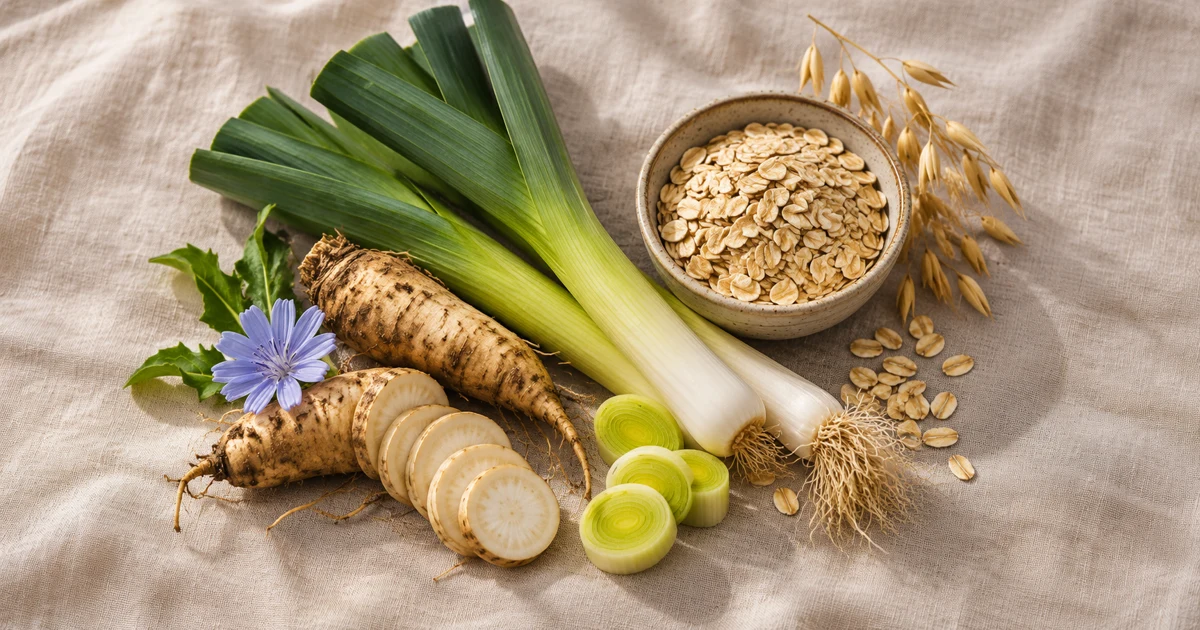
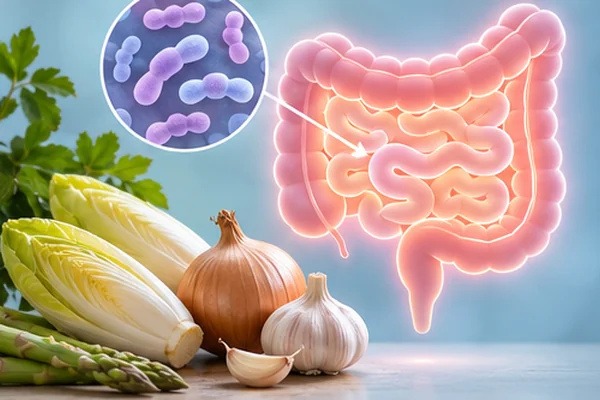
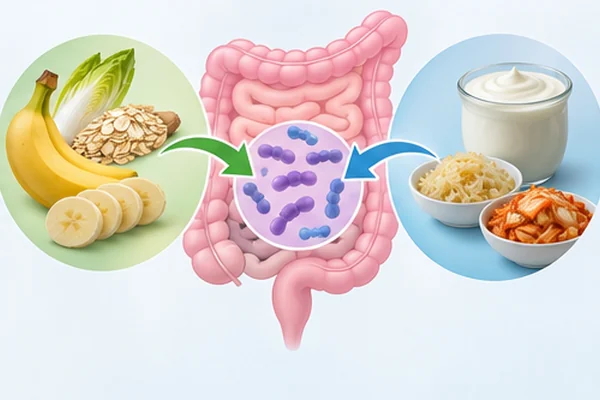
NCCIH defines prebiotics as nondigestible food components that selectively stimulate the growth or activity of desirable microorganisms. They feed gut microbes rather than adding new ones.
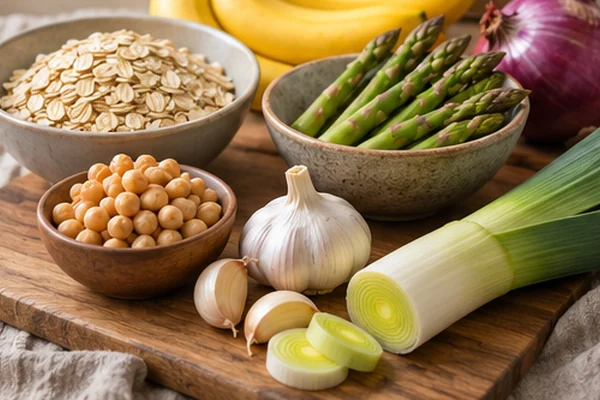
Many prebiotics, such as inulin and FOS, are types of fiber, but not all fiber is usually classed as a prebiotic.
Not necessarily. A varied diet with whole grains, beans, nuts, seeds, fruit and vegetables provides fiber. Supplements are optional, and the measured benefits in studies are modest.
Reviews have not shown a clear benefit. Ford 2018 found the data sparse, and Wu 2024 found no significant improvement. Inulin and FOS may worsen symptoms in some people with IBS.
Products combining both are called synbiotics. Whether a combination helps depends on the specific product and goal, so check with a clinician if you have a health condition.
Daily needs, upper limits and safety notes in our guides draw on sources such as the NIH Office of Dietary Supplements.