Supplement basics
Moringa side effects: is moringa safe to take?
What is and is not known about moringa safety, including questions about the thyroid, kidneys and liver, medication interactions, pregnancy and breastfeeding.
VitaBrief editorial · Last reviewed November 2026 · Sources listed below
Reader-supported. This page may contain affiliate links. If you buy through one, we may earn a commission at no extra cost to you. It never changes what we write. Affiliate disclosure
Moringa (Moringa oleifera) leaves have been eaten as food for generations, so many people assume moringa supplements must be harmless. That may be true for modest amounts of the leaf as a food, but concentrated powders, capsules and extracts are a different question, and the safety research on them is thin.
This article sets out what the available human studies reported, where the gaps are, and who should be especially careful, including people with thyroid, kidney or liver conditions, people on medication, and those who are pregnant or breastfeeding. It draws on published trials and general supplement guidance from MedlinePlus and the FDA. It is general information, not medical advice.
The short answer
Moringa has no official safety monograph from the National Institutes of Health or MedlinePlus. Human evidence is limited and mostly comes from small, short trials designed to test benefits, not to detect side effects. Those trials did not report major safety problems in their abstracts, but small, short studies cannot rule out rare or long-term harms. The honest answer to “is moringa safe?” is that leaf eaten as food has a long history, while the safety of supplements, especially at high doses, over long periods, or in specific groups, has not been well established.
What the trials reported
The table below summarizes safety-relevant findings from the human studies reviewed for this site. Note how short and small most of them are.
| Study | Who, form and length | Safety-relevant findings |
|---|---|---|
| Gómez-Martínez 2021 | 65 adults with prediabetes; 2,400 mg/day leaf powder; 12 weeks | No different changes vs placebo in liver and kidney function markers |
| Afiaenyi 2025 | 40 adults with type 2 diabetes; 20 to 60 g/day leaves; 14 days | Triglycerides rose in one group within that group; no significant differences between groups after adjustment |
| Attia 2025 | 50 breastfeeding mother-infant pairs; 20 g/day leaf powder in food; 3 months | No effect on infant growth; higher infant IGF-1, meaning unclear |
| Ammar 2025 | Review of 8 trials in postpartum women; 3 to 10 days | Authors say longer studies are needed to establish safety |
| Crișan 2025 | Meta-analysis of 9 trials, 649 adults | Focused on cardiometabolic outcomes; certainty of evidence very low |
The most reassuring result is from the 12-week prediabetes trial, which found no different change scores between moringa and placebo in hepatic and renal function markers (Gómez-Martínez 2021). That is useful, but it involved 31 people taking moringa for three months at one dose. It does not show safety for people who already have liver or kidney disease, for higher doses, or for years of use.
Possible everyday side effects
The abstracts reviewed here do not list common side effects, so there are no reliable figures for how often moringa causes digestive or other complaints. Following the label and stopping if you feel unwell is a cautious approach.
Be careful with products that use other parts of the plant, such as root, bark or seed extracts. The studies here used leaves, and their findings do not apply to other plant parts or concentrated extracts.
Thyroid, kidneys and liver
Thyroid. Searches about “moringa and thyroid” are common. No source reviewed here studied moringa’s effect on thyroid function in humans, so there is no basis to say it helps or harms the thyroid. If you have a thyroid condition or take thyroid medication, ask your clinician before using moringa.
Kidneys. The 12-week prediabetes trial found no difference in kidney function markers versus placebo in people without known kidney disease. There are no data in these sources for people with chronic kidney disease, who should check any supplement with their care team.
Liver. Likewise, liver function markers did not change differently from placebo in that trial. That does not establish safety for people with liver disease or for long-term high-dose use. Report any new symptoms to a clinician promptly.
Medications and medical conditions
Moringa is often taken by people hoping to support blood sugar or blood pressure. Some small studies found lower readings: favorable fasting glucose and HbA1c changes in prediabetes (Gómez-Martínez 2021), and significantly lower diastolic pressure two hours after a single meal of cooked leaves compared with before it (Chan Sun 2020). If you already take glucose-lowering or blood pressure medicine, adding something that might lower those numbers further deserves caution and monitoring. Interaction studies were not part of the sources reviewed, so talk with your clinician or pharmacist before combining moringa with medication. The same applies if you are considering it alongside other supplements marketed for blood sugar, such as berberine.
MedlinePlus advises telling your health care provider about any dietary supplements you use and checking with your provider about supplements before any type of surgery. It also advises not taking a bigger dose than the label recommends. More on amounts is in moringa dosage.
Pregnancy and breastfeeding
No source reviewed here establishes that moringa supplements are safe in pregnancy. Do not start moringa while pregnant without talking with your clinician; see moringa in pregnancy.
During breastfeeding, a systematic review of short trials reported higher milk volume but said longer studies are needed to establish safety (Ammar 2025). A 3-month pilot trial found no effect on infant growth but higher infant IGF-1 (Attia 2025). Infant safety data are limited, so talk with your clinician or a lactation consultant first; see moringa for breastfeeding. Children were not studied in these sources either.
Product quality and recalls
Some safety risks come from the product rather than the plant. MedlinePlus notes that supplements do not have to go through the testing that drugs do. The FDA explains that manufacturers and distributors are responsible for evaluating the safety and labeling of their products before marketing, and that the FDA has authority to act against adulterated or misbranded supplements after they reach the market. The FDA page also links to its actions on dietary supplements, including warning letters and recalls.
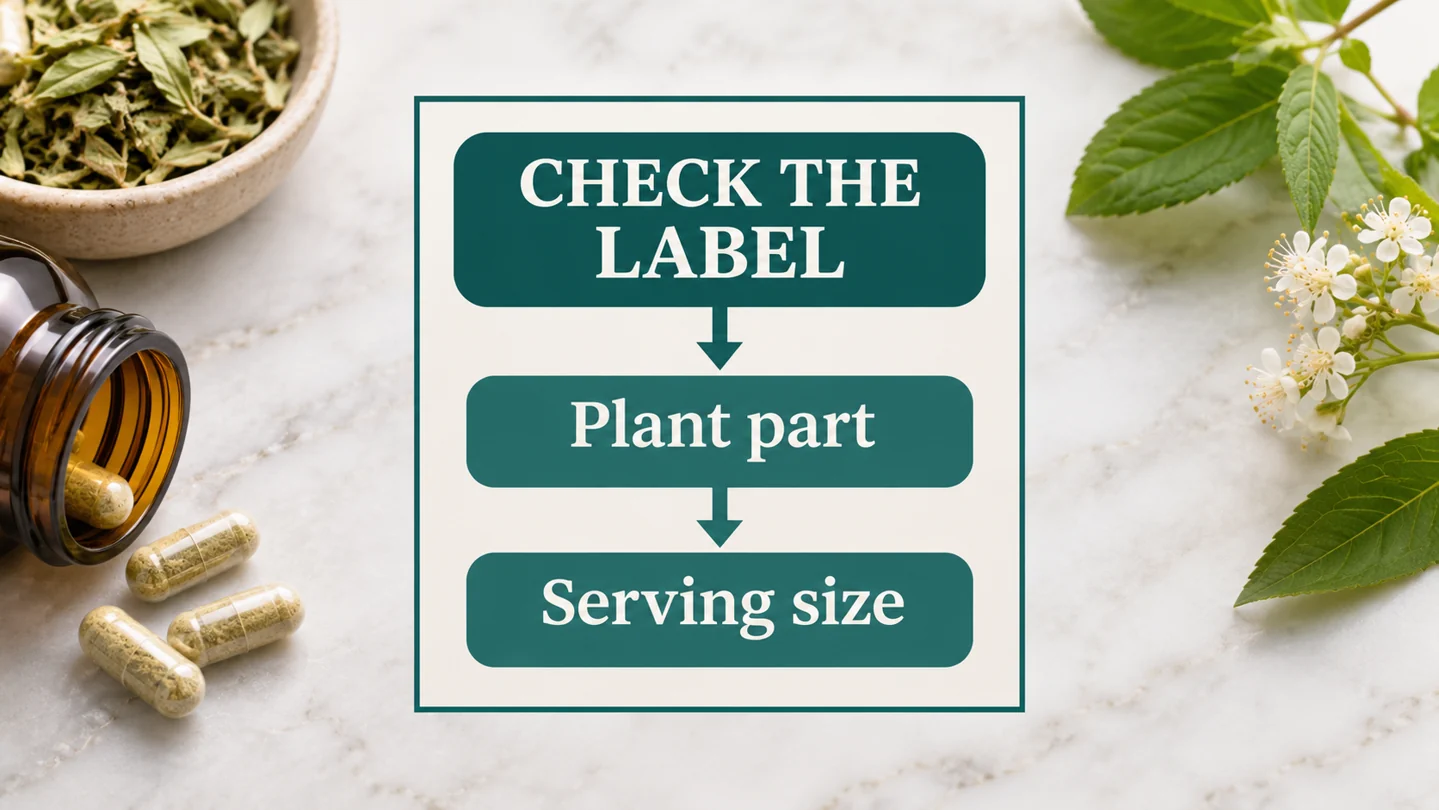
General steps (not tested in the studies here): choose products that state the plant part and amount clearly, and stop and seek medical advice if you feel unwell. Our guide on how to choose a moringa supplement covers labels in detail, and the moringa guide gives the full overview. If you want a nutrient boost for a known gap, a clinician may suggest a targeted option such as iron or a multivitamin instead.
When to stop and get help
Because so little is known about uncommon reactions, it is sensible to treat any new symptom after starting moringa as a possible link. Stop the product and contact a clinician if you notice any new or worrying symptom, especially if you take diabetes or blood pressure medicine. Seek emergency care for severe symptoms. Keep the product package so you can tell your clinician exactly what you took and how much. The FDA site also explains how to report a problem with a dietary supplement.
FAQ
Is moringa safe to take every day?
Leaves are eaten as food, but supplement safety over long periods has not been well studied. Trials lasted from a single meal to 3 months.
Does moringa affect the thyroid?
No study in these sources examined thyroid effects in humans. If you have a thyroid condition, ask your clinician before use.
Is moringa safe for kidney patients?
Kidney markers did not change versus placebo in one 12-week trial of people without kidney disease. No data cover people with kidney disease, so check with your care team.
Can moringa damage the liver?
Liver markers did not change versus placebo in one 12-week trial. Data are limited, especially for people with liver disease or high-dose use.
Can I take moringa with diabetes or blood pressure medication?
Talk with your clinician first. Some small studies found lower glucose or blood pressure readings, so combining it with medication deserves monitoring.
Does moringa make you poop?
The study abstracts reviewed here do not report digestive side effects, so there is no reliable answer. If a product upsets your stomach, stop it and talk with a clinician.
Sources
- MedlinePlus. Dietary supplements.
- US Food and Drug Administration. Dietary supplements.
- Gómez-Martínez, et al. Moringa oleifera leaf supplementation as a glycemic control strategy in subjects with prediabetes. Nutrients. 2021.
- Afiaenyi, et al. Effects of Moringa oleifera leaves on the blood glucose, blood pressure, and lipid profile of type 2 diabetic subjects: a parallel group randomized clinical trial of efficacy. Nutr Health. 2025.
- Attia, et al. Effect of maternal Moringa oleifera leaf supplementation on maternal and infant nutritional status and human milk output: a pilot single-blinded cluster-randomized trial. Curr Dev Nutr. 2025.
- Ammar, et al. Moringa oleifera supplementation as a natural galactagogue: a systematic review on its role in supporting milk volume and prolactin levels. Foods. 2025.
- Crișan, et al. Effects of Moringa oleifera Lam. supplementation on cardiometabolic outcomes: a meta-analysis of randomized controlled trials with GRADE assessment. Nutrients. 2025.
- Chan Sun, et al. Consumption of Moringa oleifera Lam leaves lowers postprandial blood pressure. J Am Coll Nutr. 2020.
Last reviewed November 2026. VitaBrief is educational and is not medical advice. Talk with a doctor, registered dietitian or pharmacist before starting a supplement, especially if you are pregnant, take medication or have kidney disease.
Not medical advice. This guide is for general education. Talk to your doctor or pharmacist before taking a supplement, especially if you are pregnant or breastfeeding, take medication or have a health condition. Medical disclaimer