Ingredient guides
Vitamin A benefits: what it does and what supplements can and cannot do
What vitamin A does for vision, immunity, growth and reproduction, where the research shows real benefits from supplements, where it shows none or even harm, and what this means for men, women and children.
VitaBrief editorial · Last reviewed November 2026 · Sources listed below
Reader-supported. This page may contain affiliate links. If you buy through one, we may earn a commission at no extra cost to you. It never changes what we write. Affiliate disclosure

Vitamin A has real, well-established jobs in the body, and getting enough of it matters. But the benefits of a supplement depend on whether you were short to begin with. This article separates what vitamin A does from what extra vitamin A has been shown to do, using the NIH Office of Dietary Supplements (ODS) fact sheets and published clinical trials. For the basics, start with our vitamin A guide.
What vitamin A does in the body
According to ODS, vitamin A is involved in immune function, cellular communication, growth and development, and male and female reproduction. It supports cell growth and differentiation and plays a critical role in the normal formation and maintenance of the heart, lungs, eyes and other organs (ODS).
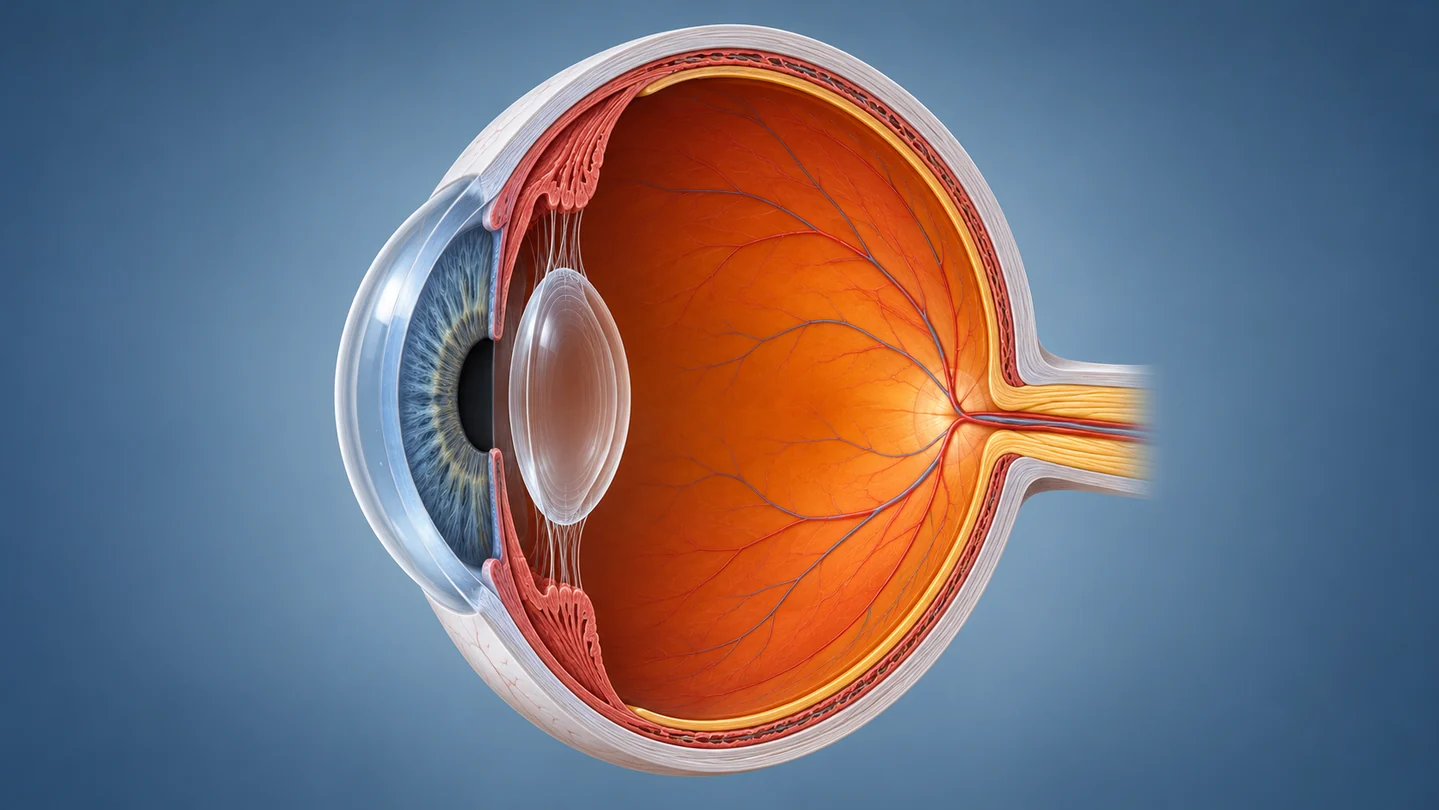
Its best-known role is in vision. Vitamin A is an essential part of rhodopsin, the light-sensitive protein in the retina that responds to light entering the eye. It also supports the normal functioning of the cornea and the conjunctival membranes that cover the front of the eye.
These are the benefits of having adequate vitamin A. They do not mean that taking more than you need will boost immunity, vision or anything else further.
Benefits at a glance: what the evidence shows
| Claimed benefit | What the research says | Who it applies to |
|---|---|---|
| Lower child mortality | 12% lower all-cause mortality across 19 trials (Cochrane) | Children 6 months to 5 years in low- and middle-income countries |
| Fewer cases of diarrhea and measles | Lower incidence in supplemented children; no clear effect on measles deaths | Same groups, where deficiency is common |
| Preventing night blindness | Lower night blindness and Bitot’s spots with supplementation | Children at risk of deficiency |
| Slowing advanced AMD | Antioxidants plus zinc lowered odds of advanced AMD (OR 0.72) | People with intermediate or advanced AMD |
| Cancer prevention | No benefit; beta-carotene raised lung cancer in smokers | Not supported by these trials |
| Better eyesight, skin or immunity in healthy adults | No evidence from the sources reviewed | Not supported |
Immunity and child survival
The strongest evidence for vitamin A supplements comes from young children in places where deficiency is common. ODS explains that chronic deficiency increases the severity and risk of death from infections, particularly measles and infection-related diarrhea (ODS).
A Cochrane review gathered 47 randomized studies involving about 1.2 million children aged 6 months to 5 years. In 19 trials covering over 1.2 million children, vitamin A supplementation reduced all-cause mortality by 12% (risk ratio 0.88, high-certainty evidence). It also cut deaths from diarrhea by 12% and reduced the incidence of diarrhea, measles, Bitot’s spots, night blindness and vitamin A deficiency itself. There was no clear difference in deaths from measles or respiratory disease, and vomiting was more common in the 48 hours after a dose (Imdad 2022).
This is a public-health program for deficient populations, not evidence that US children, who usually get enough vitamin A from food, need high-dose supplements. Measles is a serious illness that needs medical care; do not treat it at home with vitamin A.
Eyes and vision
Vitamin A deficiency causes xerophthalmia. ODS describes night blindness, the inability to see in low light, as its first sign, and notes that untreated xerophthalmia can lead to permanent blindness. Vitamin A deficiency is one of the top causes of preventable blindness in children (ODS). Getting enough vitamin A prevents this.
For age-related macular degeneration (AMD), the AREDS trial followed 3,640 people aged 55 to 80 for an average of 6.3 years. Compared with placebo, a daily supplement of vitamin C, vitamin E, beta-carotene and zinc reduced the odds of developing advanced AMD (odds ratio 0.72), and it was the only group with a significant reduction in moderate vision loss (AREDS 2001). The benefit was for people who already had intermediate AMD or advanced AMD in one eye. ODS adds that the later AREDS2 trial found beta-carotene was not a required ingredient, and that the final AREDS2 formulation used lutein and zeaxanthin in place of beta-carotene. None of the sources we reviewed show that extra vitamin A improves normal eyesight. More in vitamin A for eyes.
Cancer: food looks good, supplements do not
ODS notes that people who eat a lot of foods containing vitamin A or beta-carotene might have a lower risk of certain cancers, but studies do not show that vitamin A or beta-carotene supplements help prevent cancer or lower the chance of dying of it (ODS consumer).
Two large trials found possible harm. In the ATBC study, 29,133 male smokers in Finland took beta-carotene (20 mg a day), vitamin E, both, or placebo for five to eight years. Lung cancer incidence was 18% higher among men who received beta-carotene, and total mortality was 8% higher (ATBC 1994). In CARET, 18,314 smokers, former smokers and asbestos-exposed workers took 30 mg beta-carotene plus 25,000 IU retinyl palmitate daily or placebo. The relative risk of lung cancer was 1.28, and the trial was stopped early; the authors concluded the combination had no benefit and may have had an adverse effect (Omenn 1996). ODS concludes that these results suggest large supplemental doses of beta-carotene, with or without retinyl palmitate, have detrimental effects in current or former smokers. VitaBrief’s advice: if you smoke or used to smoke, avoid beta-carotene supplements. See retinol vs beta-carotene.
Vitamin A for men and women
The sources reviewed here do not show sex-specific benefits from supplements. What differs is how much you need. ODS sets the Recommended Dietary Allowance at 900 mcg RAE a day for adult men and 700 mcg RAE for adult women, rising to 770 mcg RAE in pregnancy and 1,300 mcg RAE while breastfeeding (ages 19 to 50) (ODS).
For women who are or might be pregnant, the key point is safety rather than benefit. ODS warns that preformed vitamin A above the upper limit can cause birth defects, and that people who are pregnant or breastfeeding should not take high-dose preformed vitamin A supplements. ODS adds that beta-carotene is not known to be teratogenic. Read vitamin A in pregnancy before choosing a prenatal product.
For older adults, the main caution is bone health. Two meta-analyses of cohort studies found that higher retinol intake was associated with a higher risk of hip fracture (relative risk about 1.40 in both), while beta-carotene intake was not linked to higher hip fracture risk in one of them (Wu 2014; Zhang 2017). These are observational findings and do not prove cause.
Why more is not better
ODS states that vitamin A deficiency is rare in the United States because most people get enough from food (ODS consumer). Because vitamin A is fat soluble, the body stores excess amounts, mainly in the liver. One or a few very high doses of preformed vitamin A can cause severe headache, blurred vision, nausea, dizziness and aching muscles, and regular high intake can cause dry skin, painful muscles and joints, fatigue, depression and abnormal liver test results (ODS). The adult upper limit for preformed vitamin A is 3,000 mcg RAE a day from all sources.
Supplements may make sense for people at real risk of deficiency, such as those with cystic fibrosis, Crohn’s disease, ulcerative colitis or celiac disease, but that decision belongs with a clinician. ODS notes that oral retinoid medicines such as acitretin and bexarotene can increase the risk of hypervitaminosis A when taken with vitamin A supplements, and that orlistat can decrease vitamin A absorption. As a precaution, we suggest not combining any retinoid medicine with a vitamin A supplement without a doctor’s advice. If you already take a multivitamin, it likely contains vitamin A. Note too that the FDA says supplement makers are responsible for evaluating their products’ safety and labeling before sale (FDA). See vitamin A toxicity and vitamin A dosage.
Frequently asked questions
Does vitamin A boost the immune system?
Vitamin A is needed for normal immune function, and correcting deficiency lowers infection-related deaths in young children in low-income countries. There is no evidence in the sources reviewed that extra vitamin A strengthens immunity in well-nourished adults.
Is vitamin A good for your skin and hair?
Adequate vitamin A supports normal cell growth, but no source here shows oral supplements improve skin or hair in healthy people. ODS lists dry skin among the effects of chronic excess; hair loss is not among the effects ODS lists. See vitamin A for skin.
Is it better to get vitamin A from food?
ODS says nutritional needs should be met primarily through food. Liver, eggs, dairy, sweet potatoes, carrots and leafy greens are good sources; see vitamin A foods.
Does vitamin A prevent cancer?
No. Supplements have not been shown to prevent cancer, and beta-carotene raised lung cancer risk in smokers in two large trials.
Should I take vitamin A with zinc or vitamin D?
The AREDS formula combined zinc with antioxidants for people with AMD. Otherwise, check total amounts across products; see our zinc guide and vitamin D guide.
Sources
- NIH Office of Dietary Supplements. Vitamin A and carotenoids: fact sheet for health professionals.
- Imdad, et al. Vitamin A supplementation for preventing morbidity and mortality in children from six months to five years of age. Cochrane Database Syst Rev. 2022.
- Age-Related Eye Disease Study Research Group. A randomized, placebo-controlled, clinical trial of high-dose supplementation with vitamins C and E, beta carotene, and zinc for age-related macular degeneration and vision loss: AREDS report no. 8. Arch Ophthalmol. 2001.
- Alpha-Tocopherol, Beta Carotene Cancer Prevention Study Group. The effect of vitamin E and beta carotene on the incidence of lung cancer and other cancers in male smokers. N Engl J Med. 1994.
- Omenn, et al. Effects of a combination of beta carotene and vitamin A on lung cancer and cardiovascular disease. N Engl J Med. 1996.
- NIH Office of Dietary Supplements. Vitamin A and carotenoids: fact sheet for consumers.
- Wu, et al. The relationship between vitamin A and risk of fracture: meta-analysis of prospective studies. J Bone Miner Res. 2014.
- Zhang, et al. The effect of vitamin A on fracture risk: a meta-analysis of cohort studies. Int J Environ Res Public Health. 2017.
- US Food and Drug Administration. Dietary supplements.
Last reviewed November 2026. VitaBrief is educational and is not medical advice. Talk with a doctor, registered dietitian or pharmacist before starting a supplement, especially if you are pregnant, take medication or have kidney disease.
Not medical advice. This guide is for general education. Talk to your doctor or pharmacist before taking a supplement, especially if you are pregnant or breastfeeding, take medication or have a health condition. Medical disclaimer