
Your reference shelf
Your supplement questions, clearly answered.
One ingredient at a time. Start with magnesium, then follow the guides into forms, labels, and product comparisons.
Explore the library.
A clear, organized reference for vitamins, minerals, and supplements.
Browse by format
Browse by topic
39 ingredients have full sets of guides, from ashwagandha to zinc. More are on the way.
Latest explainers.
Explore our plain-language guides to vitamins, minerals and performance supplements. Each one starts from official guidance, explains what the research shows and links to its sources, so you can check every claim yourself.
 Ingredient guides
Glycinate vs. citrate
Read the guide → Supplement basics
How to read a supplement label
Read the guide → Ingredient guides
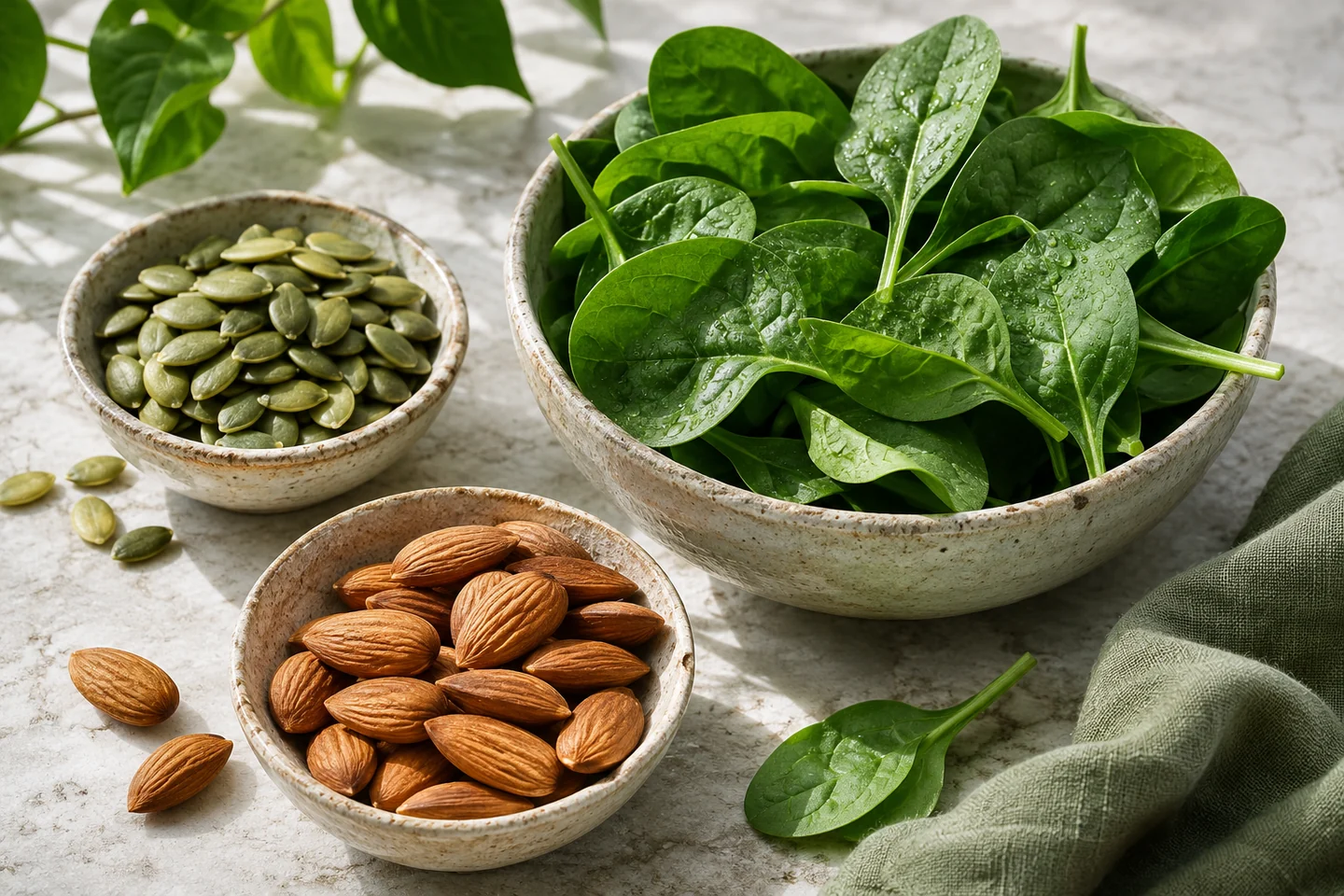
A food-first guide to magnesium
Read the guide → Vitamin D
2 vs. D3
Read the guide →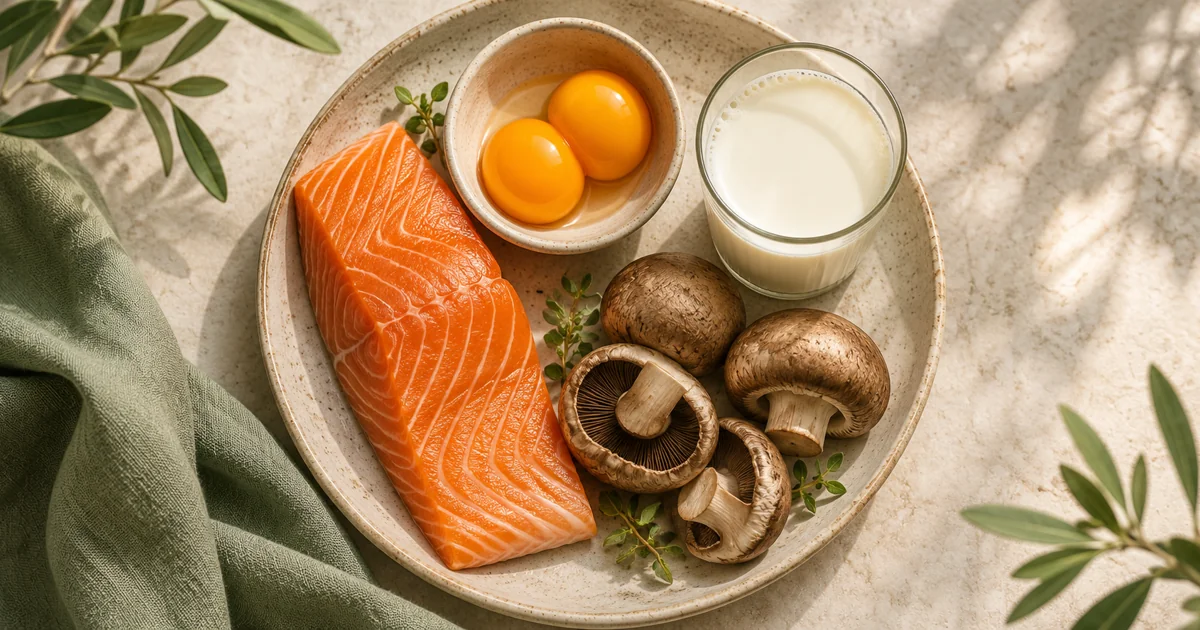 Vitamin D
A food-first guide to vitamin D
Read the guide → Vitamin D
How to choose a vitamin D supplement
Read the guide → Vitamin B12
: a practical guide
Read the guide → Vitamin B12
 deficiency: symptoms, causes and risk factors
Read the guide → Vitamin B12
Methylcobalamin vs. cyanocobalamin
Read the guide → Creatine
: a practical guide
Read the guide → Creatine
 for women: what the research shows
Read the guide → Creatine
How much creatine should you take per day?
Read the guide → Ingredient guides
Protein powder: a practical guide
Read the guide →Supplement basicsHow much protein do you need per day?
Read the guide →ComparisonsWhey vs. plant protein: which is better?
Read the guide →Ingredient guidesElectrolytes: a practical guide
Read the guide →ComparisonsElectrolytes vs. water: do you need more than water?
Read the guide →ComparisonsElectrolyte drinks compared
Read the guide → Collagen
: a practical guide
Read the guide → Collagen
 for skin: wrinkles, elasticity and hydration
Read the guide → Collagen
 for joints, knees and tendons
Read the guide →Ingredient guidesVitamin C: a practical guide
Read the guide →Supplement basicsHow much vitamin C should you take per day?
Read the guide →Ingredient guidesDoes vitamin C help colds and immunity?
Read the guide → Ingredient guides
Zinc: a practical guide
Read the guide → Supplement basics
How much zinc should you take per day?
Read the guide → Ingredient guides
Zinc for colds: lozenges, timing and evidence
Read the guide →Omega-3Omega-3 and fish oil: a practical guide
Read the guide →Omega-3Omega-3 and heart health: what the big trials show
Read the guide →Omega-3Omega-3 food sources: fish, plants and how much you get
Read the guide →MelatoninMelatonin: a practical guide
Read the guide →MelatoninHow much melatonin should you take?
Read the guide →MelatoninMelatonin side effects: what is common and what is rare
Read the guide →ProbioticsProbiotics: a practical guide
Read the guide →ProbioticsProbiotics vs. prebiotics: what is the difference?
Read the guide →ProbioticsProbiotic foods: which contain live cultures?
Read the guide → Multivitamins
: a practical guide
Read the guide → Multivitamins
Do multivitamins work? What the big trials show
Read the guide → Multivitamins
What is in multivitamins?
Read the guide →AshwagandhaAshwagandha: a practical guide
Read the guide →AshwagandhaAshwagandha for stress and cortisol
Read the guide →AshwagandhaAshwagandha side effects: common, rare and serious
Read the guide →TurmericTurmeric: what it is and what the evidence shows
Read the guide →TurmericTurmeric for joint pain
Read the guide →TurmericTurmeric side effects
Read the guide →BerberineBerberine: what it is and what the evidence shows
Read the guide →BerberineBerberine for blood sugar
Read the guide →BerberineBerberine for weight loss
Read the guide → Biotin
: what it does and how much you need
Read the guide → Biotin
 for hair
Read the guide → Biotin
 and lab tests
Read the guide →Psyllium and fiberPsyllium husk: a practical guide
Read the guide →Psyllium and fiberPsyllium for cholesterol
Read the guide →Psyllium and fiberFiber and GLP-1
Read the guide →CoQ10CoQ10: a practical guide
Read the guide →CoQ10CoQ10 and statins
Read the guide →CoQ10Ubiquinol vs. ubiquinone
Read the guide →NAD+NAD+ supplements: a practical guide
Read the guide →NAD+NMN vs. NR
Read the guide →NAD+NAD+ and aging
Read the guide →Vitamin K2Vitamin K2: a practical guide
Read the guide →Vitamin K2Vitamin K2 for bones
Read the guide →Vitamin K2MK-4 vs. MK-7
Read the guide →GlutathioneGlutathione: a practical guide
Read the guide →GlutathioneDoes oral glutathione work?
Read the guide →GlutathioneGlutathione for skin
Read the guide →ElderberryElderberry: a practical guide
Read the guide →ElderberryElderberry for colds and flu
Read the guide →ElderberryElderberry for kids
Read the guide →IodineIodine: what it does, how much you need and when supplements make sense
Read the guide →IodineIodine and the thyroid: how much helps and how much harms
Read the guide →IodineIodine dosage: how much you need per day and how much is too much
Read the guide →NACNAC (N-acetylcysteine): uses, evidence and safety
Read the guide →NACIs NAC legal? FDA status of NAC supplements explained
Read the guide →NACNAC vs. glutathione: how they differ and which to consider
Read the guide →PotassiumPotassium: what it does, how much you need and when to be careful
Read the guide →PotassiumPotassium and blood pressure: what the research shows
Read the guide →PotassiumWhy potassium supplements are 99 mg: the FDA and label story
Read the guide →Vitamin EVitamin E: what it is, how much you need and what the evidence shows
Read the guide →Vitamin EVitamin E and prostate cancer: what SELECT and PHS II found
Read the guide →Vitamin EVitamin E foods: the best sources and how to reach 15 mg a day
Read the guide →SeleniumSelenium: what it is, what it does and what the evidence shows
Read the guide →SeleniumSelenium for thyroid health: what Hashimoto’s research shows
Read the guide →SeleniumSelenium in Brazil nuts: how much is in one nut and how many is too many
Read the guide →InositolInositol: what it is, what it does and what the evidence shows
Read the guide →InositolInositol for PCOS: what studies show for insulin and hormones
Read the guide →InositolMyo-inositol vs. D-chiro-inositol: differences and the 40:1 ratio
Read the guide →Vitamin AVitamin A: what it is, how much you need and what the evidence shows
Read the guide →Vitamin AVitamin A for eyes: night blindness, dry eyes and macular degeneration
Read the guide →Vitamin AVitamin A foods: the best sources, from liver to sweet potatoes
Read the guide →Oregano oilOregano oil: a practical, evidence-based guide
Read the guide →Oregano oilOregano oil for colds: does it help when you are sick?
Read the guide →Oregano oilOregano oil side effects: stomach, skin, allergy and interactions
Read the guide →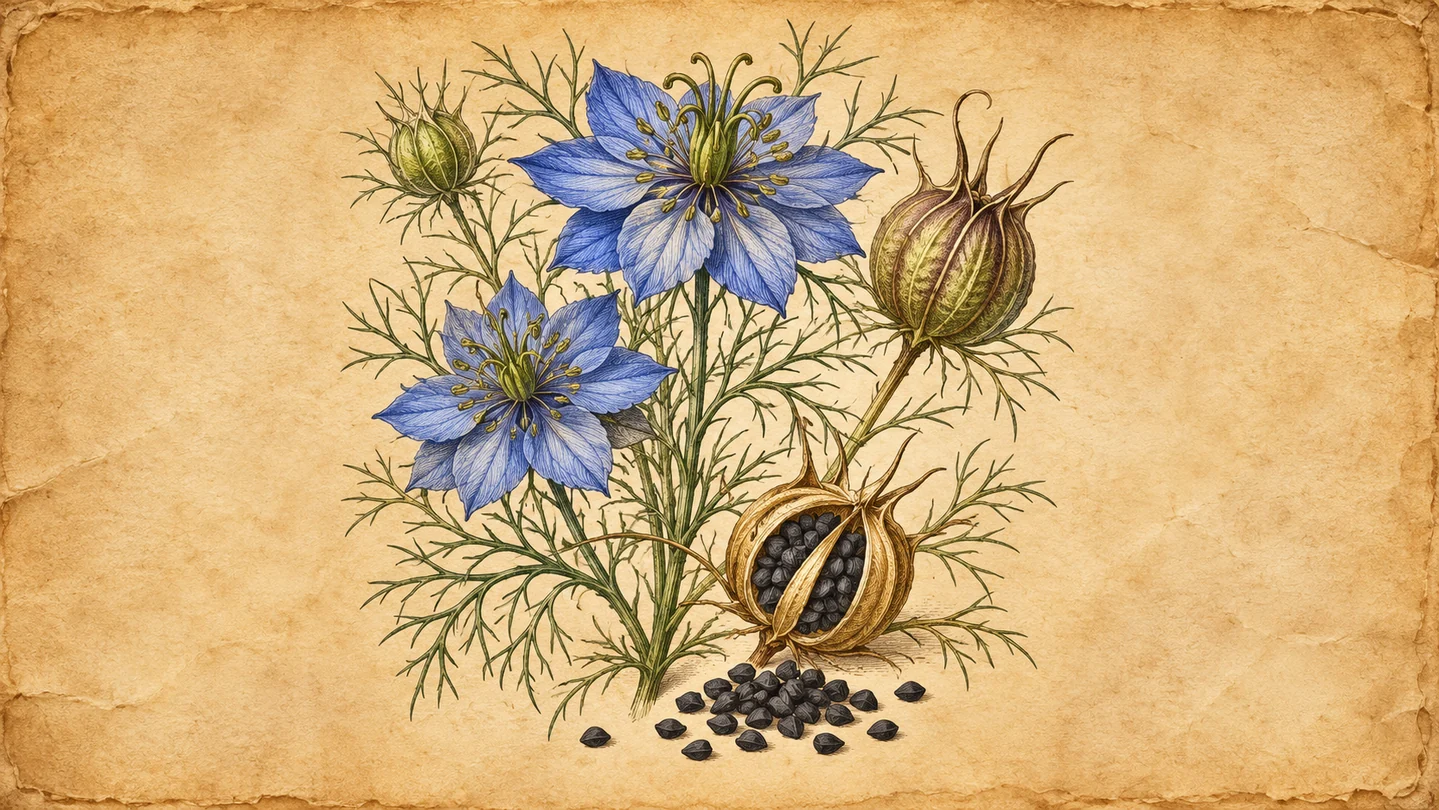 Black seed oil
: a practical guide
Read the guide → Black seed oil
 for blood pressure: what trials show
Read the guide →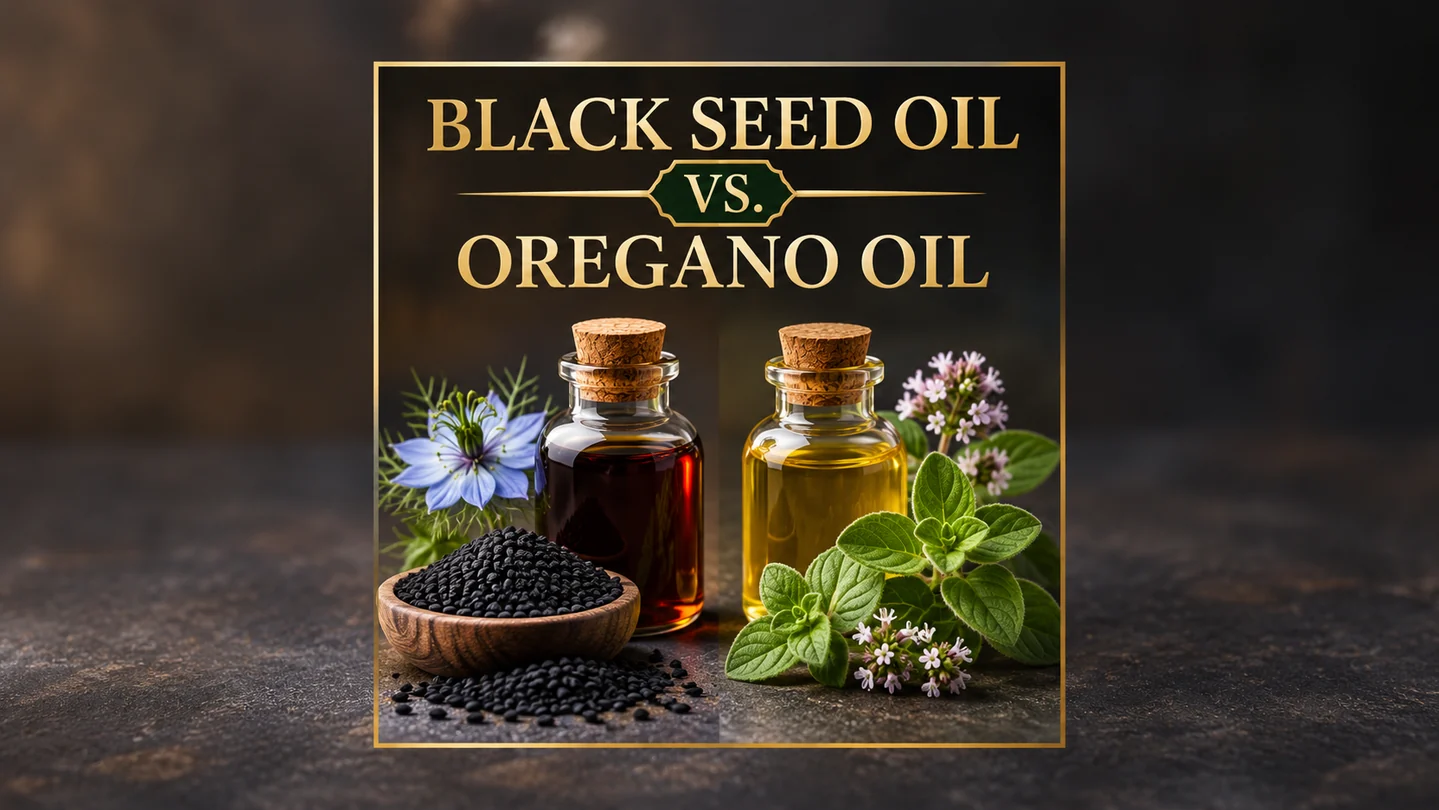 Black seed oil
 vs. oregano oil: how do they compare?
Read the guide → Folate
: a practical guide to vitamin B9
Read the guide →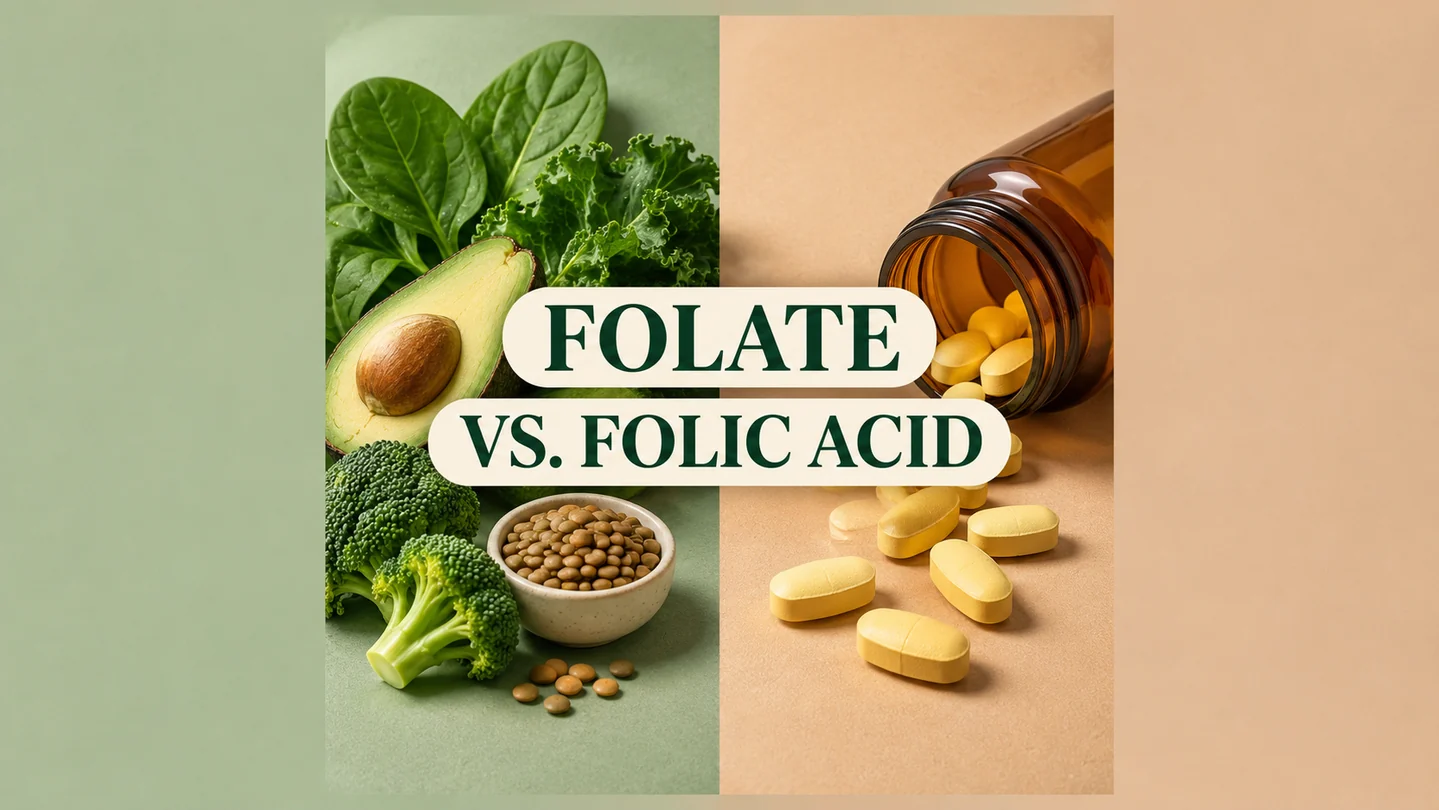 Folate
 vs. folic acid: what is the difference?
Read the guide → Folate
Folic acid in pregnancy: dose, timing and neural tube defects
Read the guide → Mushrooms
Functional mushrooms: what the evidence says about lion’s mane, reishi, cordyceps and turkey tail
Read the guide → Mushrooms
Lion’s mane benefits: what the human studies show
Read the guide → Mushrooms
Mushroom coffee: benefits, side effects and how it compares to regular coffee
Read the guide → Colostrum
: a practical guide to bovine colostrum supplements
Read the guide → Colostrum
 for gut health: what the evidence shows
Read the guide → Colostrum
 vs. collagen: how they differ and which fits your goal
Read the guide → Moringa
: what it is, what it does and what the evidence shows
Read the guide → Moringa
 for blood sugar: what the trials show
Read the guide → Moringa
 for breastfeeding: what the milk supply studies show
Read the guide →PrebioticsPrebiotics: a practical guide to what they are and what the research shows
Read the guide →PrebioticsPrebiotic vs. probiotic: what is the difference?
Read the guide →PrebioticsPrebiotic foods: a practical list for gut health
Read the guide →PrebioticsPrebiotics benefits: what the evidence shows for gut, weight and blood sugar
Read the guide →GinsengGinseng: a practical guide to types, evidence and safety
Read the guide →GinsengAsian vs. American ginseng: differences, evidence and safety
Read the guide →GinsengGinseng side effects: is it safe?
Read the guide →Apple cider vinegarApple cider vinegar: a practical, evidence-based guide
Read the guide →Apple cider vinegarApple cider vinegar for weight loss: does it work?
Read the guide →Apple cider vinegarApple cider vinegar gummies: what they are and what they can do
Read the guide →GlucosamineGlucosamine: what it is, what it does and what the evidence shows
Read the guide →GlucosamineGlucosamine for knee pain: what the GAIT trial and reviews found
Read the guide →GlucosamineGlucosamine and chondroitin: does the combination work?
Read the guide →B-complexB-complex vitamins: what they are, who may need them and what the evidence shows
Read the guide →B-complexVitamin B6: benefits, PMS, pregnancy nausea and toxicity risk
Read the guide →B-complexB-complex vs. B12: which do you need, and can you take both?
Read the guide →Milk thistleMilk thistle: what it is, what it does and what the evidence shows
Read the guide →Milk thistleMilk thistle for the liver: what studies show about liver disease
Read the guide →Milk thistleMilk thistle for fatty liver: what the NAFLD and MASLD studies show
Read the guide →L-theanineL-theanine: what it is, what it does and what the evidence shows
Read the guide →L-theanineL-theanine for sleep: does it help and what do studies show?
Read the guide →L-theanineL-theanine and caffeine: what the research shows about focus
Read the guide →SpirulinaSpirulina: a practical guide to the blue-green algae supplement
Read the guide →SpirulinaSpirulina vs. chlorella: differences, evidence and safety
Read the guide →SpirulinaSpirulina side effects: who should avoid it and what to watch for
Read the guide → Iron
Iron: a practical guide
Read the guide → Iron
Low iron symptoms: signs and when to test
Read the guide →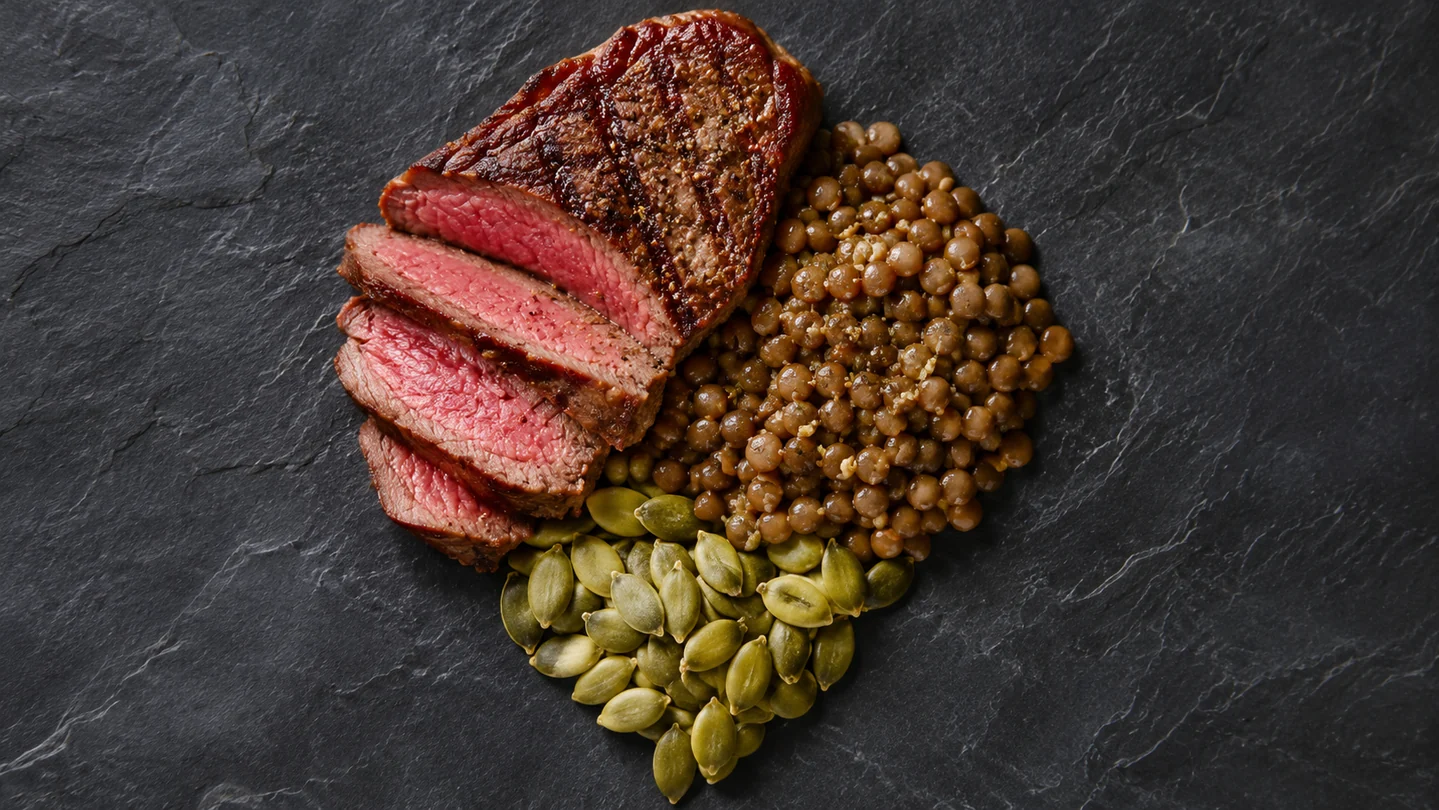 Iron
Iron-rich foods: heme and non-heme sources
Read the guide → Calcium
: a practical guide
Read the guide → Calcium
 citrate vs. calcium carbonate
Read the guide → Calcium
-rich foods: dairy and non-dairy sources
Read the guide →TestosteroneTestosterone: a practical guide
Read the guide →TestosteroneDo testosterone boosters work?
Read the guide →TestosteroneTRT explained: who qualifies, benefits and risks
Read the guide →Our standards
How VitaBrief compares products
See the criteria and sources behind our comparisons.
About the library
Supplement library: how it is organized
The supplement library groups VitaBrief’s guides by ingredient. Each ingredient gets its own set of guides that answer the same practical questions: what it does, how much you need, the best food sources, which supplement form to choose, what the research shows, and when to be careful. You can browse by vitamins or minerals, or jump straight to an ingredient hub.
Right now the library covers vitamin D, vitamin B12 and magnesium in depth, with more vitamins and minerals on the way. Every guide opens with a short answer, explains the evidence in plain language and links to its sources.
Every ingredient, five guides
What you will find for each ingredient
The practical guide
Daily needs and the big picture.
Food-first guide
Where the nutrient comes from in a normal diet.
Form comparisons
Such as vitamin D2 vs. D3 or methylcobalamin vs. cyanocobalamin.
Evidence guides
Specific uses, like magnesium for sleep or vitamin D and bone health.
Cautions guide
Upper limits, side effects and interactions.
FAQ
Frequently asked questions about the supplement library
Which ingredients does the library cover?
Vitamin D, vitamin B12 and magnesium have full sets of guides. Calcium, iron, zinc and other vitamins are planned.
Where should I start?
Start with the practical guide for the ingredient you are curious about, then read its cautions guide before buying a supplement. If you are new to supplements, the supplement basics section explains how to read a label.
Do the guides recommend specific brands?
The guides focus on evidence, doses and forms. When we compare products we explain our criteria and sources so you can judge them yourself.
How do I know if I need a supplement at all?
Most people who eat a varied diet do not need many supplements. The clearest cases are a deficiency confirmed by a blood test, a vegan diet, which needs a reliable vitamin B12 source, and medicines or conditions that affect absorption, such as metformin, acid reducers or older age for vitamin B12. Our deficiency and test guides explain the signs and what the results mean.
How often are the guides updated?
We review guides when important new research or official guidance appears, and each guide shows its sources so you can see what it is based on. If something looks out of date, our contact page is the quickest way to tell us.
Can I use the library to choose a dose?
Each guide lists official daily needs and upper limits, which is a useful starting point. Your own dose depends on your diet, health and medicines, so confirm it with a doctor or pharmacist.
Daily needs, upper limits and safety notes in our guides draw on sources such as the NIH Office of Dietary Supplements.